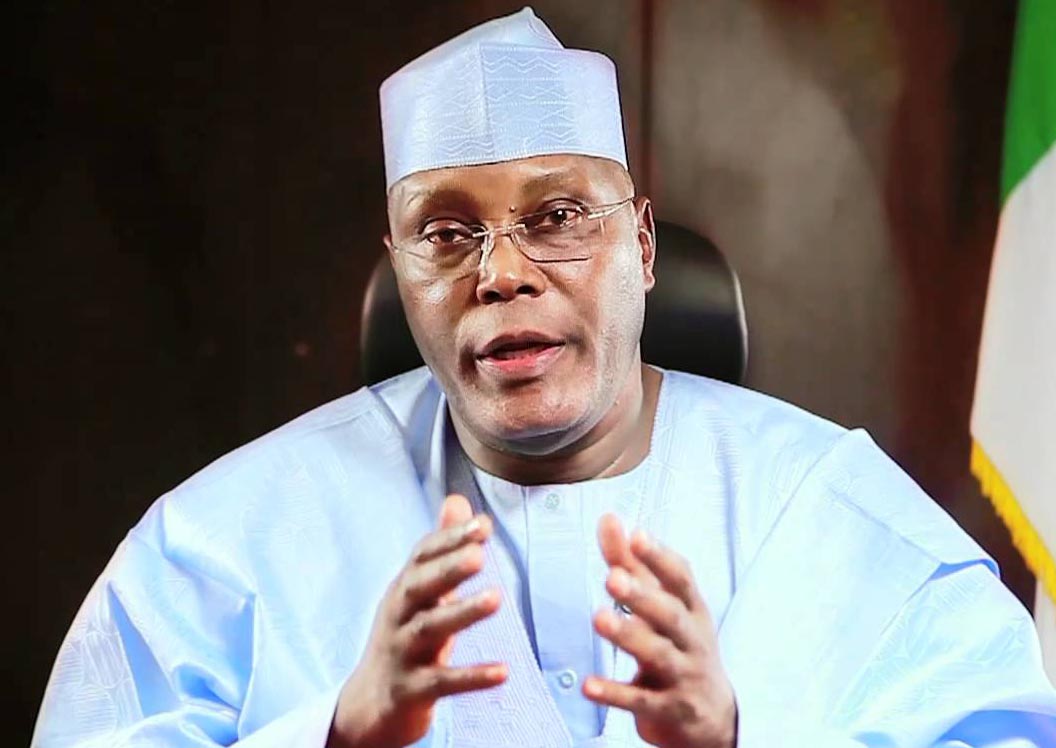
Former Vice President Atiku Abubakar has said the reported admission by the Nigerian National Petroleum Company Limited (NNPC Ltd) that reopening the Port Harcourt Refinery is uneconomic vindicates his long-standing advocacy for the full privatisation of Nigeria’s state-owned refineries.
In a strongly worded statement, Atiku described the development as a belated acknowledgment of what he called an obvious economic reality — that continued public spending on non-performing refineries represents a grave misallocation of scarce national resources.
“It is instructive that the Tinubu administration and NNPC Ltd have finally come to terms with an inevitable truth: pouring public funds into moribund refineries is economically indefensible,” he said.

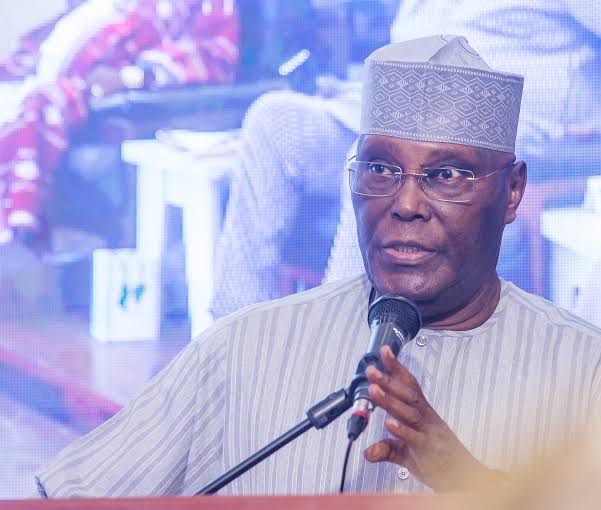
Atiku Abubakar, former VP of Nigeria.
The former Vice President questioned how over $1.5 billion could be expended on the rehabilitation of the Port Harcourt Refinery without any corresponding commercial output, warning that such spending deepens fiscal strain at a time of mounting public debt and economic hardship.
According to him, sustaining facilities that produce “not a single litre of petrol” while billions are paid in operational and personnel costs underscores systemic inefficiencies within the state-run refinery structure.
“These refineries have ceased to be strategic national assets. They have become fiscal liabilities,” Atiku stated.
He recalled that his previous calls for privatisation were met with fierce political opposition and allegations of ulterior motives.
“For years, I advanced this patriotic position and was vilified, accused of attempting to sell public assets to associates. Today, the facts have overtaken the rhetoric,” he said.
Atiku argued that decades of repeated turnaround maintenance programmes have yielded no sustainable results, exposing what he described as “deep deficits in technical capacity, financial discipline, and governance transparency” within the public refinery system.
He further contended that the most recent rehabilitation push appeared driven more by political optics than sound economic reasoning.
“Politics must never substitute for competent, evidence-based policy. The latest attempt to ‘revive’ these refineries was anchored more in political expediency than in commercial viability,” he said.
The former Vice President also cautioned against entering into fresh revival arrangements, including proposed partnerships with foreign firms, warning that such moves risk recycling failed models under new branding.
“Any new refinery deal that retains the same inefficient public-sector control structure will only postpone the inevitable and compound financial losses,” he stated.
Atiku maintained that Nigeria would have been better served by outrightly divesting from the refineries before embarking on costly rehabilitation efforts, thereby limiting public debt exposure and preventing further asset deterioration.
His comments come amid renewed scrutiny of NNPC Ltd’s refinery strategy and growing calls for structural reforms in the downstream sector to curb fiscal leakages, restore investor confidence, and attract private capital into energy infrastructure.