By Oke Peter
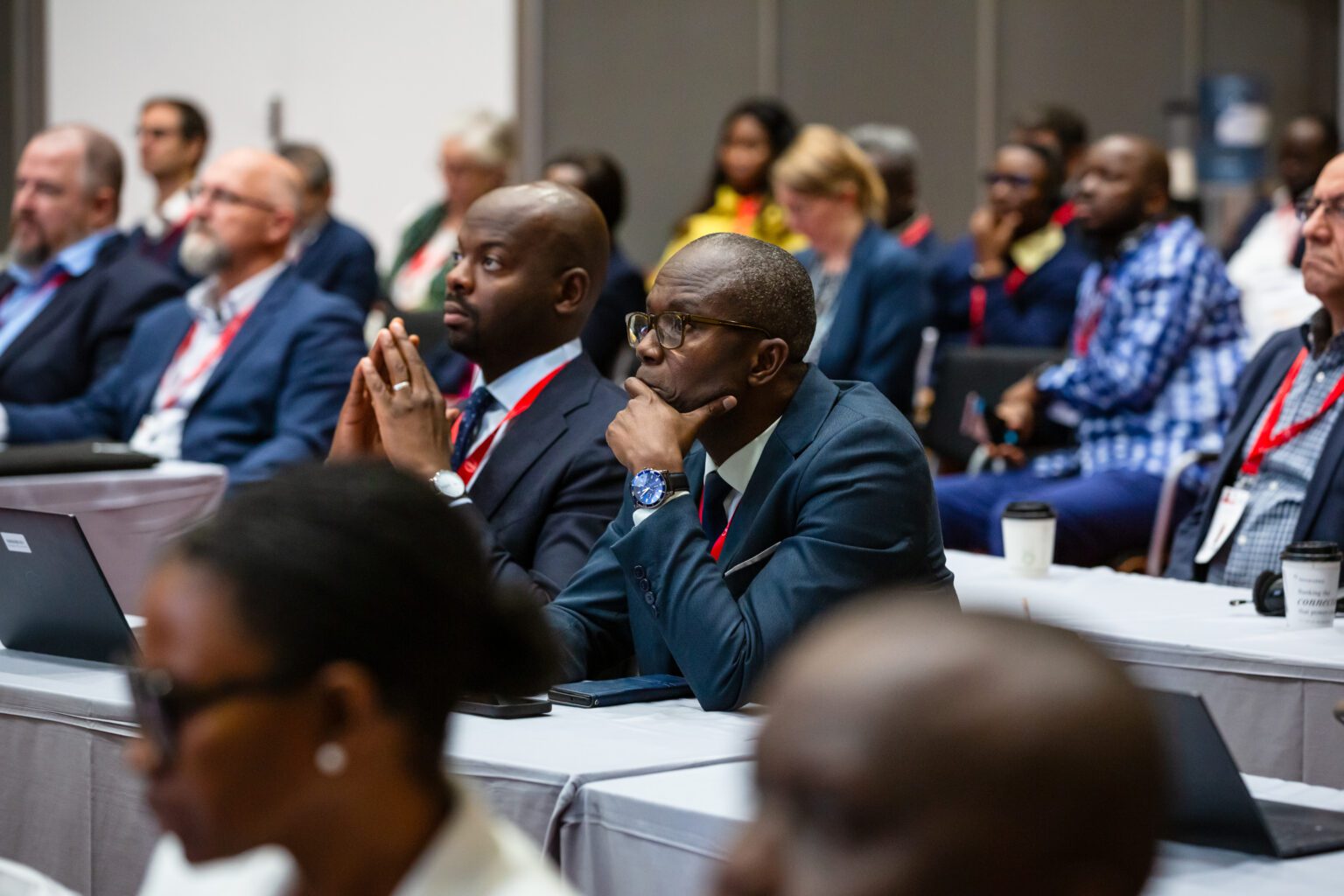
CAPE TOWN, South Africa — The third day of the Africa Energy Forum (AEF) 2026 shifted the conversation from ambition to execution, as policymakers, utilities, financiers, developers and technology providers gathered to advance practical pathways for powering Africa’s industrial future.
Held under the theme, “Building Africa’s Industrialised Future,” Thursday’s programme focused heavily on regional power integration, energy market reforms, critical minerals, investment mobilisation and cross-border infrastructure development, reinforcing the forum’s role as one of the continent’s leading platforms for energy dealmaking and strategic partnerships.

One of the headline sessions examined the future of regional electricity trade in Southern Africa. The discussion explored how long-term planning, market evolution and investment pathways within the Southern African Power Pool (SAPP) can unlock greater energy security and accelerate industrial growth across the region.
The panel brought together key stakeholders including Alison Chikova of the SAPP Coordination Centre, Jean Madzongwe of the SAPP Project Advisory Unit, Lion Mashiri of African GreenCo and Sara Elhag of the African Union Commission. Discussions centred on the implementation of the updated SAPP Master Plan, electricity market reforms, renewable energy certificates, carbon markets and new financial instruments designed to stimulate private-sector participation.
Critical minerals also remained high on the agenda as delegates assessed Africa’s opportunity to move beyond raw material exports and build domestic value chains. Speakers stressed that the continent’s reserves of copper, cobalt, lithium, manganese and rare earth minerals position Africa at the heart of the global energy transition, but highlighted the need for stronger infrastructure, local processing capacity and strategic industrial policies.
Financing emerged as another dominant theme throughout the day. Representatives from development finance institutions, commercial lenders, export credit agencies and private investors examined innovative funding structures needed to accelerate project delivery. Conversations focused on reducing project risks, attracting long-term capital and creating bankable opportunities across power generation, transmission, storage and industrial infrastructure.
The forum also continued to showcase growing collaboration between governments and the private sector. Energy developers, utilities and technology providers used the event to deepen partnerships aimed at expanding renewable energy deployment, strengthening grid networks and supporting industrialisation strategies across African markets.
Among the notable developments linked to the forum was the agreement between Envision Energy and AMEA Power on Egypt’s Amunet II 500MW wind project. The partnership is expected to support the expansion of Egypt’s wind energy portfolio to approximately 1GW and further strengthen the country’s position as a regional renewable energy hub. The deal highlights the increasing role of international technology providers and independent power producers in delivering large-scale clean energy projects across the continent.

Across the exhibition floor and networking sessions, delegates from leading organisations including GE Vernova, Africa Finance Corporation (AFC), Development Bank of Southern Africa (DBSA), AMEA Power, Envision Energy, utilities, government ministries and multilateral institutions engaged in discussions on project development, transmission expansion, energy storage and industrial energy solutions.
The day also highlighted the growing importance of battery energy storage systems, grid modernisation technologies and integrated energy solutions as African countries seek to balance energy security, affordability and sustainability.
While renewable energy continued to attract significant attention, speakers repeatedly emphasised the need for diversified energy strategies tailored to national circumstances. Delegates argued that achieving industrialisation will require a combination of renewable energy, natural gas, transmission infrastructure, regional interconnections and energy storage technologies.
Throughout Thursday’s sessions, a recurring message emerged: Africa’s energy transition must be driven by industrial development, job creation and economic transformation. Rather than focusing solely on generation capacity, discussions increasingly centred on how energy investments can support manufacturing, mining, processing industries and broader economic growth.
As AEF 2026 heads into its final day, momentum continues to build around regional cooperation, infrastructure investment and practical solutions capable of delivering reliable power to Africa’s growing population and industrial sectors.

With governments, investors and developers increasingly aligned on the need for execution, Day Three demonstrated that the continent’s energy conversation is moving beyond commitments toward implementation, financing and long-term value creation.