Integrated indigenous energy firm, Aradel Holdings Plc, has revealed plans to commence refining petrol at its modular refinery in 2027.
According to a Bloomberg report, the company linked the decision to the removal of fuel subsidies and the deregulation of the downstream oil sector, which have made petrol refining in Nigeria more profitable.
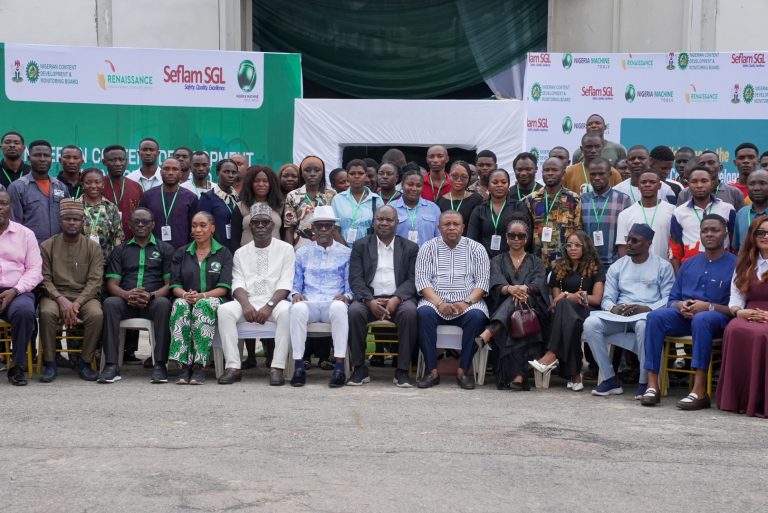
The disclosure was made by Temitayo Ogunbanjo, who manages Aradel’s refining arm, on the sidelines of a conference in Abuja.

Aradel’s refinery currently produces kerosene, diesel, gas oil and naphtha, while the company is considering expanding its refining capacity and investing in aviation fuel production for potential export to Europe.
Ogunbanjo said Aradel is considering possible expansion of the refining facility, alongside crude supply arrangements and export logistics.
He said, “The company is also considering expanding the 11,000-barrel-a-day plant, examining potential crude supply and export logistics.”
Ogunbanjo said the company is also considering investments in aviation fuel production, which has emerged as a potential export opportunity to Europe.
He noted that Aradel’s business, spanning crude production, refining and distribution, had been boosted by oil-price shocks from the US-Iran war.
No specific investment amounts were disclosed for the petrol unit or expansion, with details expected to be developed during engineering studies over the coming year.
The company noted that higher crude prices have supported earnings from its upstream operations.
Aradel’s plan comes as Nigeria seeks to expand domestic refining capacity and improve access to crude feedstock for local refineries.
The Crude Oil Refinery-owners Association of Nigeria (CORAN) said the Federal Government is considering changes to crude allocation and pricing rules to improve feedstock access for refiners, including Dangote Refinery.
Analysts say the main constraint in domestic crude transactions is pricing rather than physical availability.
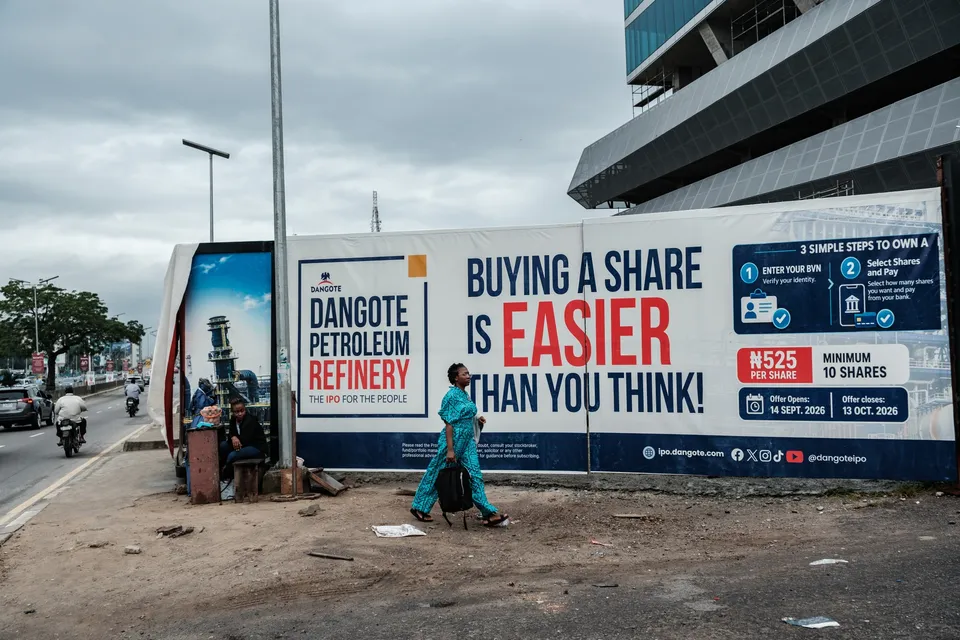
Minister of State for Petroleum Resources (Oil), Heineken Lokpobiri, said the Dangote Petroleum Refinery alone cannot meet Africa’s growing refined petroleum products needs and urged local and international investors to increase investments in Nigeria’s refining, midstream and downstream sectors.
Lokpobiri said, “The Dangote refinery is not enough,” despite plans to increase its refining capacity to 1.4 million barrels.
The minister said Nigeria must build on the success of the Dangote refinery and attract additional investments if it wants to move beyond supplying the West African market and become a major refined petroleum products hub for the continent.
CORAN had in July 2023 said supporting modular refineries would provide Nigerians with access to more affordable fuel by eliminating several costs associated with importing refined petroleum products.
CORAN Chairman Momoh Oyarekhua said domestic refining would eliminate costs associated with sending crude oil abroad for refining and importing the finished products.
He also identified expenses related to clearing refined petroleum products at terminals, port charges and middlemen involved in transporting products to Lome before they are shipped into Nigeria.
Oyarekhua said these costs ultimately increase the prices paid by Nigerian consumers at fuel stations.
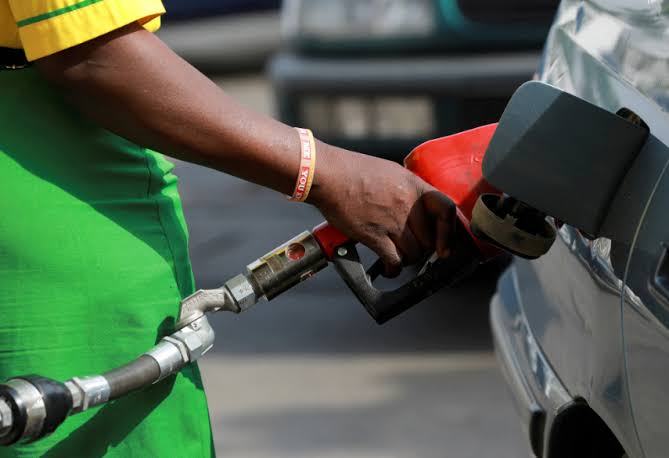
He said, “These are the reasons why fuel pump prices are high. If we produce petrol in the country today, all the costs will be eliminated, and we can have cheaper petrol.”
Aradel’s planned petrol production would therefore add another domestic refining source to Nigeria’s growing refining capacity as the downstream sector operates under deregulated market conditions.