Nigeria’s persistent electricity shortages stem from structural gaps across generation, transmission, and distribution. Despite over 13,000MW of installed capacity, less than half is reliably available, according to the Nigerian Electricity Regulatory Commission. Even when power is generated, the Transmission Company of Nigeria cannot efficiently transmit it nationwide. At the distribution level, companies under the Association of Nigerian Electricity Distributors face infrastructure and revenue challenges. While DisCos are often blamed, the crisis is systemic. Recent reforms offer hope, but without coordinated investment, stable electricity will remain out of reach. Oke Peter writes.
Nigeria’s electricity crisis is often reduced to a simple complaint: “there is no light.” However, the reality is far more complex. More than a decade after sector reforms and privatisation, the country still struggles to deliver stable power because the problem does not lie within a single segment, but in the structural disconnect across the entire value chain—generation, transmission, and distribution.
At the generation level, the numbers already tell a troubling story. Nigeria has an installed capacity of about 13,600 megawatts, yet only a fraction of that is available at any given time. Data from the Nigerian Electricity Regulatory Commission shows that in late 2025, only about 5,100–5,500MW was available for dispatch—roughly 40 percent of installed capacity. In practice, Nigeria typically delivers between 4,000MW and 4,500MW to a population of over 200 million people, a level widely considered inadequate for economic growth. The reasons are well known: inconsistent gas supply, aging plants, liquidity constraints, and delayed maintenance. What emerges is a system where capacity exists on paper but fails to translate into reliable output.
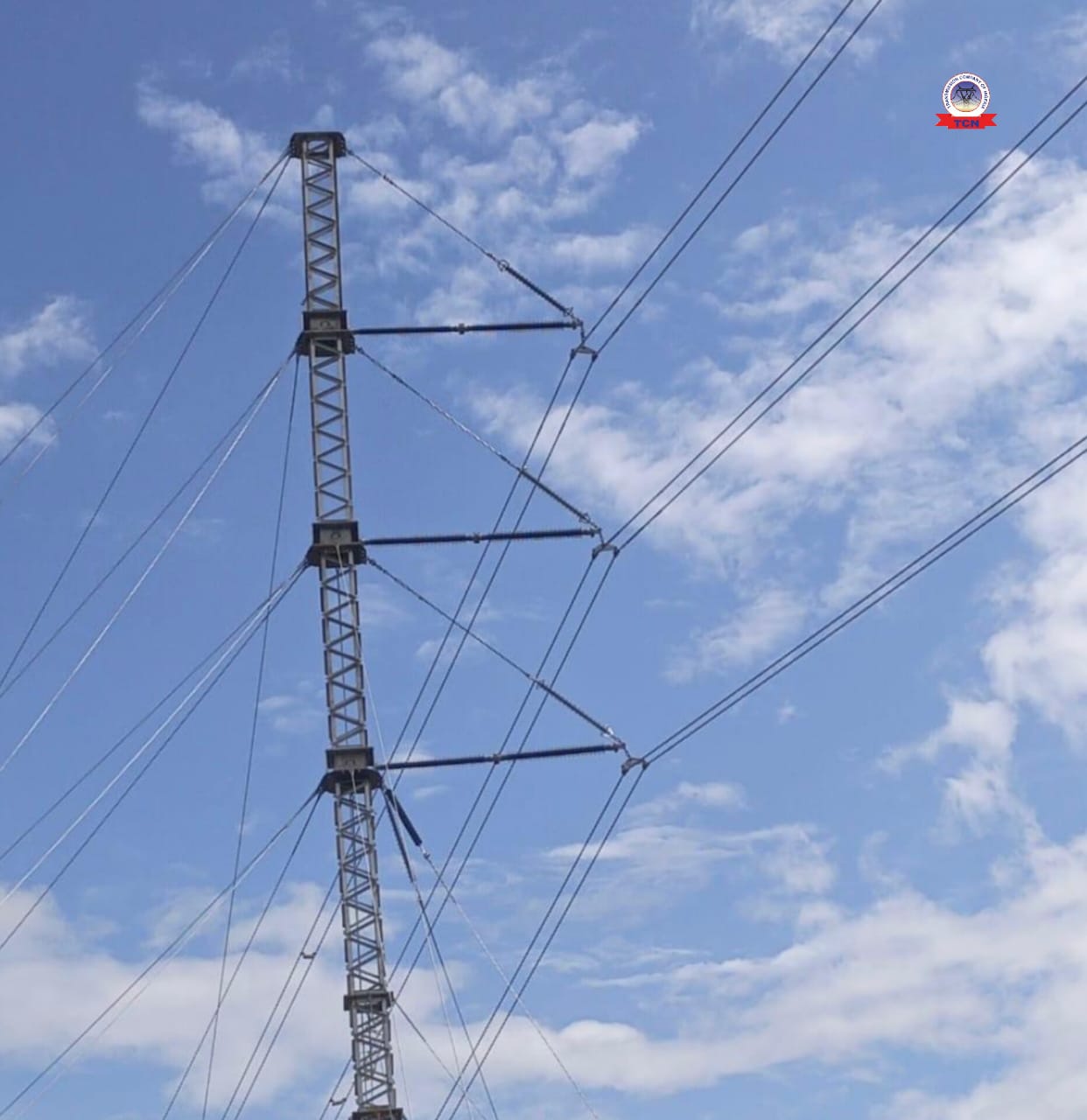
Even when electricity is produced, it does not always reach consumers. The transmission network, managed by the Transmission Company of Nigeria, remains a critical bottleneck. Transmission infrastructure is responsible for evacuating power from plants and wheeling it across the national grid, but limitations in grid capacity and aging equipment often prevent this from happening efficiently. At times, generation exceeds 5,500MW, yet the grid struggles to transmit it fully due to wheeling constraints and system instability. Frequent grid disturbances and occasional collapses further expose the fragility of this middle layer, creating a gap between what is generated and what is actually delivered.

At the distribution end, where consumers directly interact with the system, frustration is most visible. Distribution companies, represented by the Association of Nigerian Electricity Distributors, are tasked with delivering power, maintaining local networks, and collecting revenue. However, their performance is shaped by both internal inefficiencies and external limitations. In many cases, distribution infrastructure—feeders, transformers, and lines—is unable to handle available load. Metering gaps persist, leading to estimated billing that erodes consumer trust. At the same time, energy theft and poor revenue collection weaken the financial base needed for investment. The result is a situation where even available electricity cannot always be effectively delivered or paid for.
This raises a critical question: are distribution companies truly the problem, or are they simply the most visible part of a deeper systemic failure? The answer is nuanced. DisCos deserve scrutiny for service quality and investment gaps, but they also operate within a constrained ecosystem. When generation is inconsistent and transmission is limited, distribution companies can only deliver what they receive. Focusing blame solely on them risks oversimplifying a deeply interconnected challenge.
Reforms were intended to address these structural issues. The unbundling of the power sector and the introduction of private participation were designed to improve efficiency and attract investment. More recently, decentralisation has gained momentum, with new state electricity laws enabling subnational governments to establish their own markets and regulatory bodies. These emerging frameworks, alongside oversight from the Nigerian Electricity Regulatory Commission, signal a shift toward a more flexible and competitive system. However, their success will depend on coordination, long-term investment, and the ability to resolve legacy constraints within the national grid.
Despite these efforts, outages persist because the underlying gaps remain unresolved. There is a clear mismatch between installed capacity and actual generation, a transmission network that cannot fully evacuate available power, and a distribution system constrained by both technical and financial limitations. Each segment depends on the others, and weaknesses in one inevitably affect the entire chain.
The recent apology by Minister of Power, Bayo Adelabu, highlights the urgency of the situation. However, apologies alone will not resolve the crisis, just as protests across the country cannot yield lasting results without coordinated and sustained action from leadership to ensure stable electricity supply.

Nigeria’s electricity challenge is therefore not just about producing more power; it is about ensuring that every part of the system works in sync. Until generation becomes more reliable, transmission capacity is significantly expanded, and distribution networks are strengthened and made financially viable, stable electricity will remain out of reach for millions. The path forward lies not in assigning blame, but in fixing the structural disconnect that continues to keep the country in the dark.