By Garba Mohammed
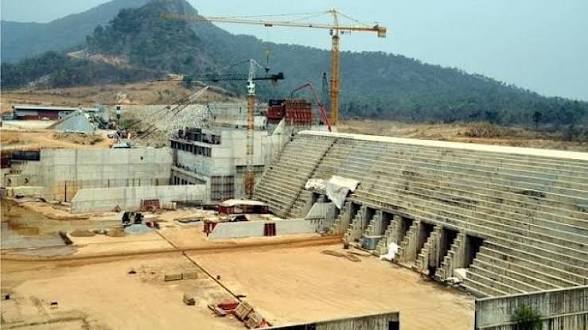
Ahead of the commencement of what is projected to become Africa’s largest deep-sea port, Dangote Industries Limited has begun preliminary activities for the execution of its multi-billion-dollar maritime and industrial infrastructure project at the Olokola Free Trade Zone.
The ambitious project, which forms a key pillar of the Group’s broader “Vision 2030” agenda, is designed to accelerate expansion into logistics, maritime infrastructure and export-driven industrialisation as the company targets annual revenues of $100 billion and a place among the world’s top 100 companies within the next five years.
Spanning over 10,000 hectares, the proposed industrial enclave is located within the Olokola Free Trade Zone, stretching across Ogun Waterside Local Government Area of Ogun State and extending toward Ilaje Local Government Area of Ondo State along the Atlantic coastline.

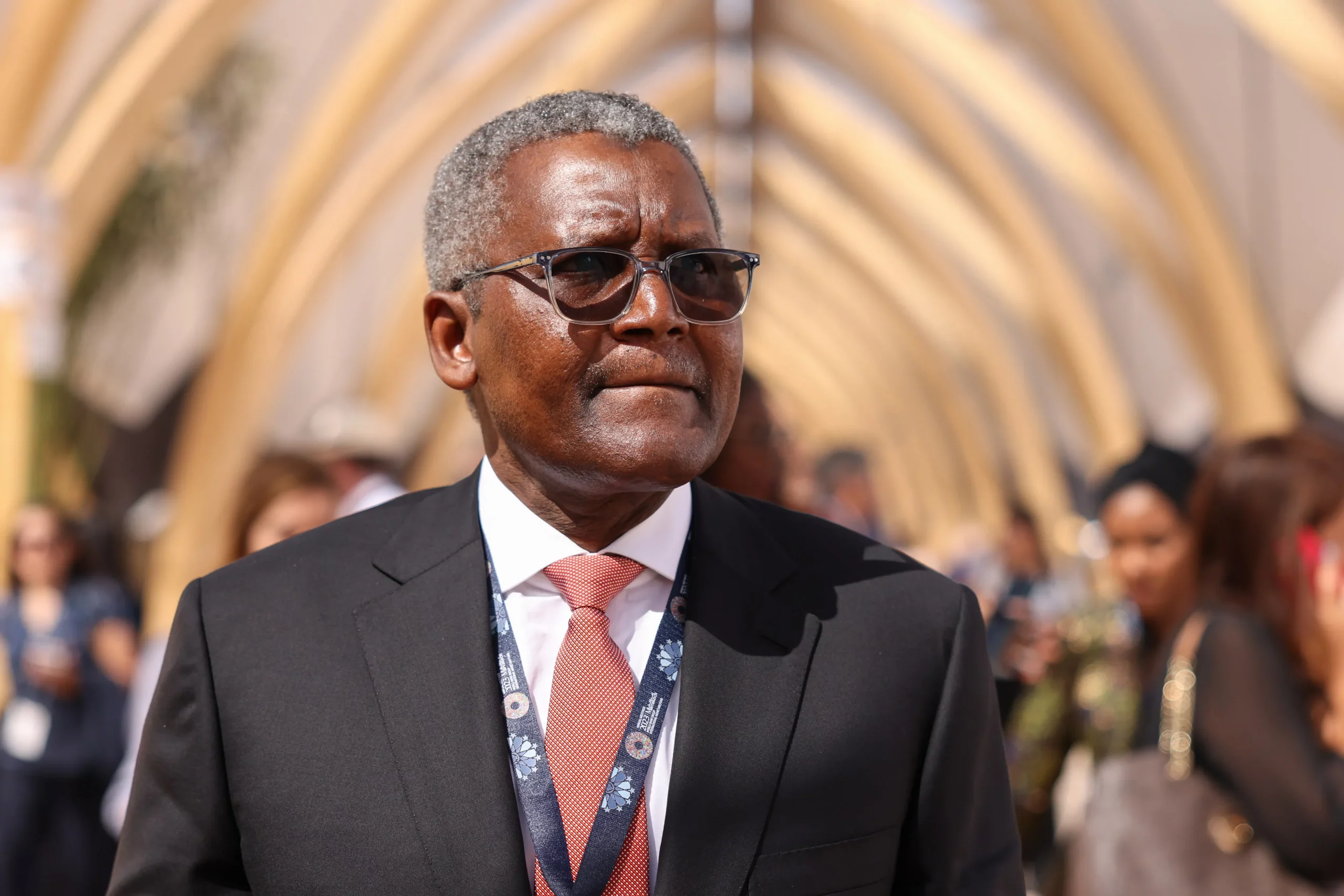
Host communities across both states have expressed strong support for the project, describing it as a transformative initiative capable of reshaping the economic fortunes of the region. They also commended the President of the Group, Aliko Dangote, for his industrial vision and long-term investment drive.
Speaking during an engagement tour of the project communities, Managing Director, Infrastructure & Logistics, Dangote Industries Limited, Capt. Jamil Abubakar, said the deep-sea port would serve as a strategic logistics gateway for an integrated industrial ecosystem aimed at boosting Africa’s maritime trade capacity and regional commerce.
According to him, the port is expected to become the logistics backbone for Dangote Industries by facilitating the export of fertilisers, petrochemicals and refined petroleum products, while also supporting future Liquefied Natural Gas exports and the importation of heavy industrial equipment and raw materials.
“The Olokola Port project is a major step in unlocking Nigeria’s economic potential, strengthening trade, easing pressure on existing ports and supporting industrial growth,” Abubakar stated.
He added that the project would create employment opportunities, stimulate business activities and drive long-term socio-economic development across Ogun and Ondo states.
“With its strategic location, Olokola will serve as a critical gateway for exports and imports, enhancing Nigeria’s competitiveness in regional and global trade. This project reflects our commitment to developing infrastructure that benefits both host communities and the wider economy,” he said.
As part of the preliminary phase, Dangote’s management team, accompanied by land surveyors and environmental consultants, visited Ode-Omi community in Ogun State as well as Araromi Seaside Kingdom and Igbokoda in Ondo State for consultations and sensitisation meetings.
During the visit, the Lenuwa of Ode-Omi, Oba Folailu Adekunle Hassan (Oshotekun II), alongside traditional chiefs and youth leaders, welcomed the project and pledged the community’s cooperation.
“We have been expecting this project for a long time. Do your best and we will all benefit from it,” the monarch said, while granting approval for surveys, household enumeration and compensation processes to commence.
Similarly, the Alara of Araromi Seaside Kingdom, Oba Adeoloye Olawole, assured the company of the community’s support, describing the project as a long-awaited economic breakthrough for the area.
“We are ready to give you both physical and spiritual support. If the project can start tomorrow, you are welcome,” the monarch stated.
The Dangote delegation also visited the Nigerian Navy Forward Operating Base in Igbokoda, where Acting Commanding Officer, Lt. Commander A.A. Makinwa, pledged the Navy’s cooperation in ensuring the successful execution of the project in the interest of national economic development.
When completed, the Olokola Deep Seaport is expected to serve as a major logistics and industrial hub, driving large-scale job creation, attracting foreign direct investment and stimulating growth across key sectors including logistics, manufacturing and services.
The project is also expected to strengthen Nigeria’s export diversification drive and deepen participation in intra-African trade under the African Continental Free Trade Area framework, positioning Nigeria as a stronger player in regional and global commerce.