By Oke Peter
Nigeria's energy industry witnessed another active week, with significant developments across the oil, gas, electricity and renewable energy sectors. Key highlights included a fresh reduction in petrol prices by the Dangote Petroleum Refinery, progress in power sector reforms, investments in renewable energy infrastructure, and continued efforts to strengthen gas development and local content.
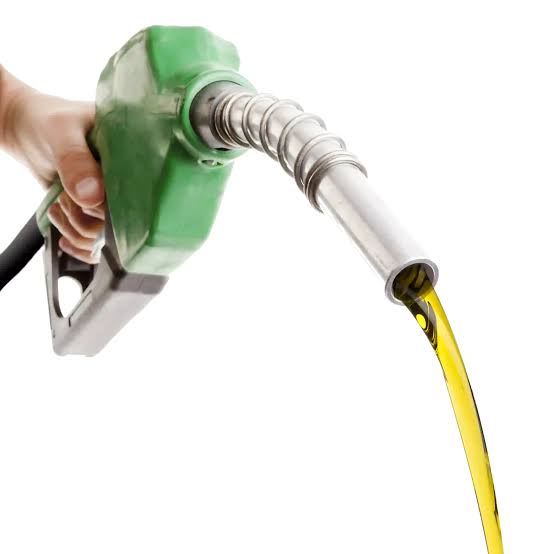
The most notable development came from the downstream petroleum sector, where the Dangote Petroleum Refinery announced another downward review of its ex-depot price for Premium Motor Spirit (PMS), reducing the price by ₦50 per litre from ₦1,125 to ₦1,075. The latest adjustment reinforces the refinery's growing influence on Nigeria's deregulated fuel market and is expected to encourage stronger price competition among marketers, with possible reductions at filling stations in the coming days.
Industry analysts believe the sustained operation of the 650,000 barrels-per-day Dangote Refinery, combined with increasing output from modular refineries, is gradually reshaping Nigeria's downstream landscape. Beyond improving domestic fuel supply, the development is helping reduce dependence on imported petroleum products and easing pressure on foreign exchange demand.

The upstream segment also remained in focus as the Federal Government intensified its engagement with host communities. A delegation led by the Minister of State for Petroleum Resources (Gas), Senator Ekperikpe Ekpo, visited Bille Community in Degema Local Government Area of Rivers State following reports of gas seepage in the area. The delegation delivered humanitarian assistance to affected residents and assured the community of immediate intervention alongside long-term technical measures to address the environmental challenge.
The visit highlights government's renewed emphasis on ensuring that hydrocarbon development is accompanied by environmental protection, community engagement and sustainable operations.
Stakeholders renewed calls for accelerated implementation of gas development initiatives aimed at expanding domestic utilisation, improving gas infrastructure and attracting fresh investments into the sector. With more than 200 trillion cubic feet of proven natural gas reserves, Nigeria continues to position natural gas as the backbone of its energy transition strategy, supporting industrialisation, power generation and cleaner energy access.
In the electricity sector, efforts to strengthen grid management gained further traction with the official handover of the temporary National Control Centre in Abuja by the Transmission Company of Nigeria (TCN) to the Nigerian Independent System Operator (NISO). The upgraded facility is expected to enhance real-time grid monitoring, improve operational coordination and support more efficient management of Nigeria's national electricity network while work progresses on the permanent control centre.
Renewable energy development also advanced during the week as the Rural Electrification Agency (REA) commissioned a 505-kilowatt-peak interconnected solar mini-grid to provide electricity to five communities in Epe, Lagos State. The project is expected to improve access to reliable electricity for households and small businesses, reduce dependence on fossil fuel-powered generators and stimulate local economic activities.

Meanwhile, implementation of Nigeria's Battery Energy Storage Technology (BEST) Project gathered momentum following a meeting of the project's Steering Committee. Discussions centred on improving coordination among implementing partners and ensuring timely delivery of the initiative, which is expected to strengthen renewable energy integration and enhance grid stability through modern battery storage systems.
During the week, 16 Nigerian graduates commenced specialised training in nitrogen pumping services under a partnership between the Nigerian Content Development and Monitoring Board (NCDMB) and TotalEnergies. The programme is designed to deepen indigenous technical expertise, strengthen local participation in oilfield services and reduce reliance on expatriate manpower.
Beyond Nigeria, regional energy infrastructure also recorded a major milestone with the Africa Finance Corporation (AFC) achieving financial close on the US$753 million Lobito Corridor Railway Project. Although the railway serves multiple sectors, it is expected to improve the transportation of critical minerals and energy resources across Southern and Central Africa, supporting regional trade and strengthening supply chains that are increasingly important to the global energy transition.
A fire incident at the Bono Energy Terminal in the Coconut area of Olodi Apapa, Lagos, also attracted industry attention during the week. Emergency responders from the Lagos State Fire and Rescue Service quickly contained the situation, preventing wider damage to surrounding facilities. While investigations into the cause of the incident are ongoing, the event once again underscored the importance of robust safety standards across petroleum storage and distribution infrastructure.

Overall, the week's activities reflect an energy sector that is steadily evolving despite persistent challenges. Continued investment in refining capacity, electricity infrastructure, renewable energy deployment, gas development and local content initiatives demonstrates Nigeria's determination to build a more resilient, competitive and diversified energy industry.
For stakeholders, the weeks ahead will be closely watched to assess the impact of the latest refinery price reductions on retail fuel prices, the effectiveness of ongoing power sector reforms, and the pace at which strategic investments across the energy value chain translate into improved energy security and economic growth.