The Federal Government has commissioned Compressed Natural Gas (CNG) facilities in four federal universities as part of efforts to reduce transportation costs for students and staff, under its Project SPROUT initiative.
The Minister of Education, Dr Maruf Tunji Alausa, announced the intervention on Saturday, November 21, 2026, during the commissioning of a CNG daughter station and vehicle conversion centre at the University of Lagos (UNILAG).
The facilities at the University of Ibadan (UI), Federal University of Technology, Akure (FUTA), and Federal University Oye-Ekiti (FUOYE) were also commissioned through a live transmission.

Project SPROUT, which stands for Special Palliative Relief on University Transportation, is designed to provide more affordable and sustainable transportation across tertiary institutions.
Alausa said the initiative reflected President Bola Tinubu’s commitment to ensuring that Nigeria’s natural gas resources translate into tangible benefits for citizens, particularly students facing rising transportation costs.Nigeria News Updates
He explained that the programme would ease the financial burden on students who commute daily between their accommodation, lecture halls and other university facilities.
The minister urged university authorities and transport operators to ensure that the savings from using CNG were reflected in reduced fares, while maintaining reliable shuttle services.
He disclosed that the first phase of Project SPROUT targets 20 federal universities, with plans to extend CNG conversion centres to another 40 federal tertiary institutions, bringing the total coverage to 60.
Alausa also announced that UNILAG would receive 10 CNG-powered buses to improve transportation within the institution.
He said the university would additionally benefit from a proposed 12-megawatt solar mini-grid project aimed at providing more reliable electricity.
On accommodation, the minister disclosed that the Federal Government was working towards delivering more than 50,000 hostel bed spaces across tertiary institutions by the end of 2027.
He listed 1,700 additional bed spaces at UNILAG’s Akoka campus and 350 at its College of Medicine among the planned interventions.
The minister also highlighted other government initiatives, including the Nigerian Education Loan Fund (NELFUND), infrastructure development, innovation grants and student welfare programmes.
He urged students to monitor the implementation of the projects and provide feedback on their impact.
The Vice-Chancellor of UNILAG, Professor Folasade Tolulope Ogunsola, described the commissioning as a significant milestone in the institution’s commitment to sustainability, cleaner energy and the welfare of students and staff.
She commended the Federal Government, the Nigerian Midstream and Downstream Gas Infrastructure Fund (MDGIF), FEMADEC Energy Limited and the Presidential CNG Initiative for supporting the project.
She announced that the university would offer 10 complimentary vehicle conversion slots to beneficiaries through a ballot, while other members of the university community would enjoy discounted conversion services.
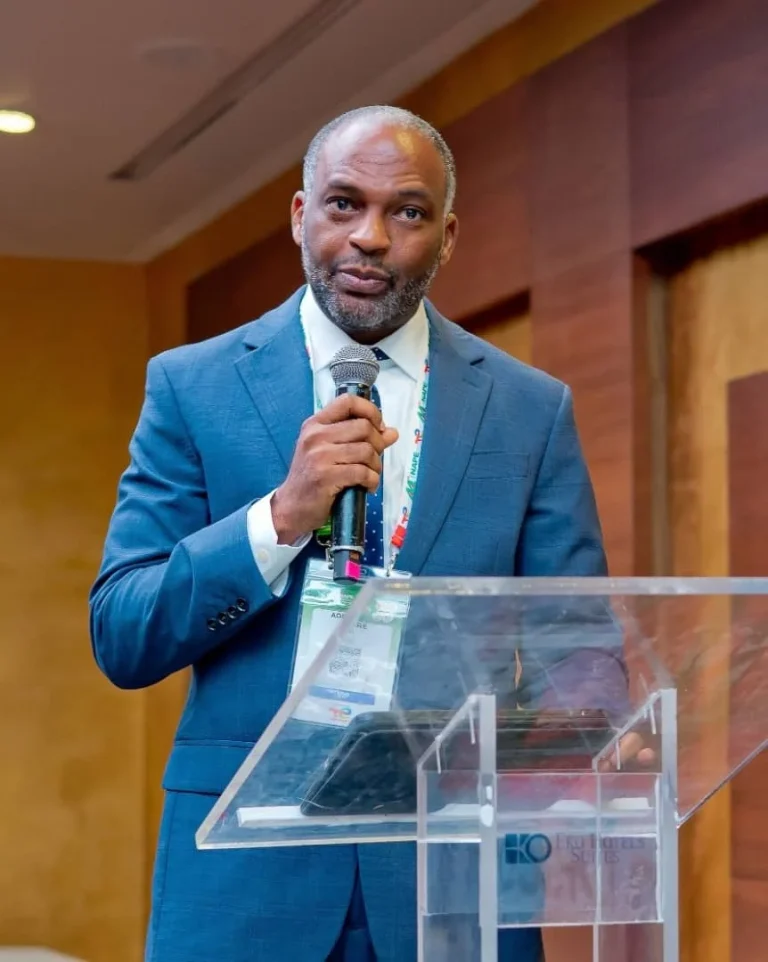
The Executive Director of the Nigerian Midstream and Downstream Gas Infrastructure Fund, Oluwole Adama, commended the Tinubu administration for supporting domestic gas utilisation and infrastructure development.
He said the facilities commissioned across the four universities represented further progress in bringing cleaner and more affordable energy closer to Nigerians.
Adama also encouraged students to explore the technical, research and entrepreneurial opportunities associated with CNG infrastructure and operations.
Similarly, the President of the National Association of Nigerian Students (NANS), Akinteye Babatunde Afeez, praised the Federal Government and the education minister for addressing transportation challenges in tertiary institutions.
He described Project SPROUT as a practical intervention in student welfare but urged university managements, transport operators and students to ensure proper maintenance of the facilities.
Afeez said the success of the programme would depend on its ability to deliver affordable fares, dependable transportation and improved mobility across campuses.
The minister, however, reaffirmed the government’s commitment to the Renewed Hope Agenda, saying investments in transportation, accommodation, energy and innovation were part of broader efforts to improve the quality of tertiary education.