By Garba Mohammed
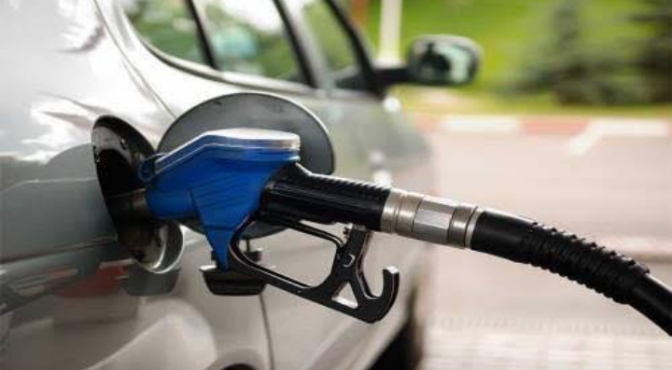
The Federal Government has commenced a high-level stakeholders' meeting with the management of Dangote Refinery, petroleum marketers and regulators as part of efforts to drive a reduction in the pump price of Premium Motor Spirit (PMS), popularly known as petrol, in line with the recent decline in global crude oil prices.
The closed-door meeting, taking place at the headquarters of the Nigerian Midstream and Downstream Petroleum Regulatory Authority (NMDPRA) in Abuja, has drawn key players across the downstream petroleum value chain, including the Federal Competition and Consumer Protection Commission (FCCPC), marketers, depot operators and transport stakeholders.
Among those in attendance are representatives of TotalEnergies, Eterna Plc, Matrix Energy, the Petroleum Products Retail Outlets Owners Association of Nigeria (PETROAN), the Major Energy Marketers Association of Nigeria (MEMAN), the Depot and Petroleum Products Marketers Association of Nigeria (DAPPMAN), the Independent Petroleum Marketers Association of Nigeria (IPMAN), the Nigerian Association of Road Transport Owners (NARTO), as well as officials of the NMDPRA.

The meeting follows growing concerns by the FCCPC that reductions in petrol prices have not kept pace with the significant drop in international crude oil prices. The Commission recently warned that refiners, depot operators, marketers and retailers engaging in unfair pricing practices could face regulatory sanctions.
According to the FCCPC, its market surveillance showed that recent adjustments in ex-depot and retail petrol prices remain inadequate compared to the sharp decline recorded in global crude oil benchmarks.
Speaking at the meeting, the Chief Executive of the NMDPRA, Rabiu Umar, said the engagement was convened on the directive of the Minister of State for Petroleum Resources (Oil), Heineken Lokpobiri, to foster collaboration among industry stakeholders.
Umar noted that the international crude oil market has experienced considerable volatility over the past six months but has recently stabilised, resulting in lower global oil prices.
He, however, observed that the domestic retail market has been slow to reflect these developments.
"Our objective is not to impose prices but to work collectively with industry players to address existing challenges. We want an open and transparent dialogue that will examine market realities, inventory management and strategies to strengthen initiatives such as the National Strategic Stock in order to safeguard Nigeria's energy security," he said.
The meeting comes days after Lokpobiri directed petroleum marketers to immediately adjust pump prices of petrol and other petroleum products to reflect prevailing international market conditions.
Addressing participants, the minister said the engagement provides a platform for stakeholders to resolve critical issues affecting the downstream sector and identify practical measures to make fuel more affordable for Nigerians.
He stressed that the prices of PMS and Automotive Gas Oil (AGO), also known as diesel, have a direct impact on transportation, manufacturing and the broader economy.
Lokpobiri further maintained that while the downstream sector has been deregulated, the policy should not be exploited to justify excessive profiteering.
With Brent crude prices trending lower, he argued that there is little justification for maintaining high domestic petrol prices, reaffirming the Federal Government's commitment to protecting consumers while ensuring a competitive and sustainable deregulated petroleum market.