By Oke Peter
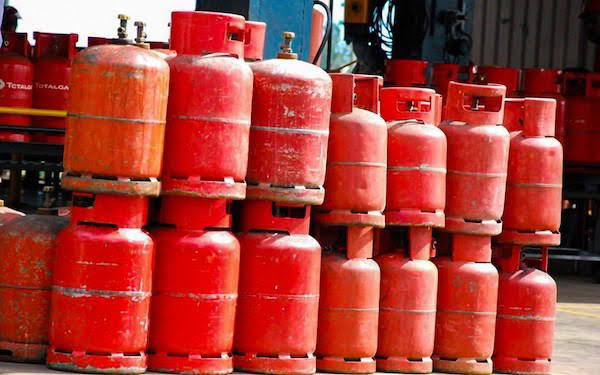
The Federal Government has directed security agencies and industry regulators to clamp down on the hoarding, illegal diversion and speculative storage of liquefied petroleum gas (LPG), popularly known as cooking gas, following a sharp rise in prices across the country.
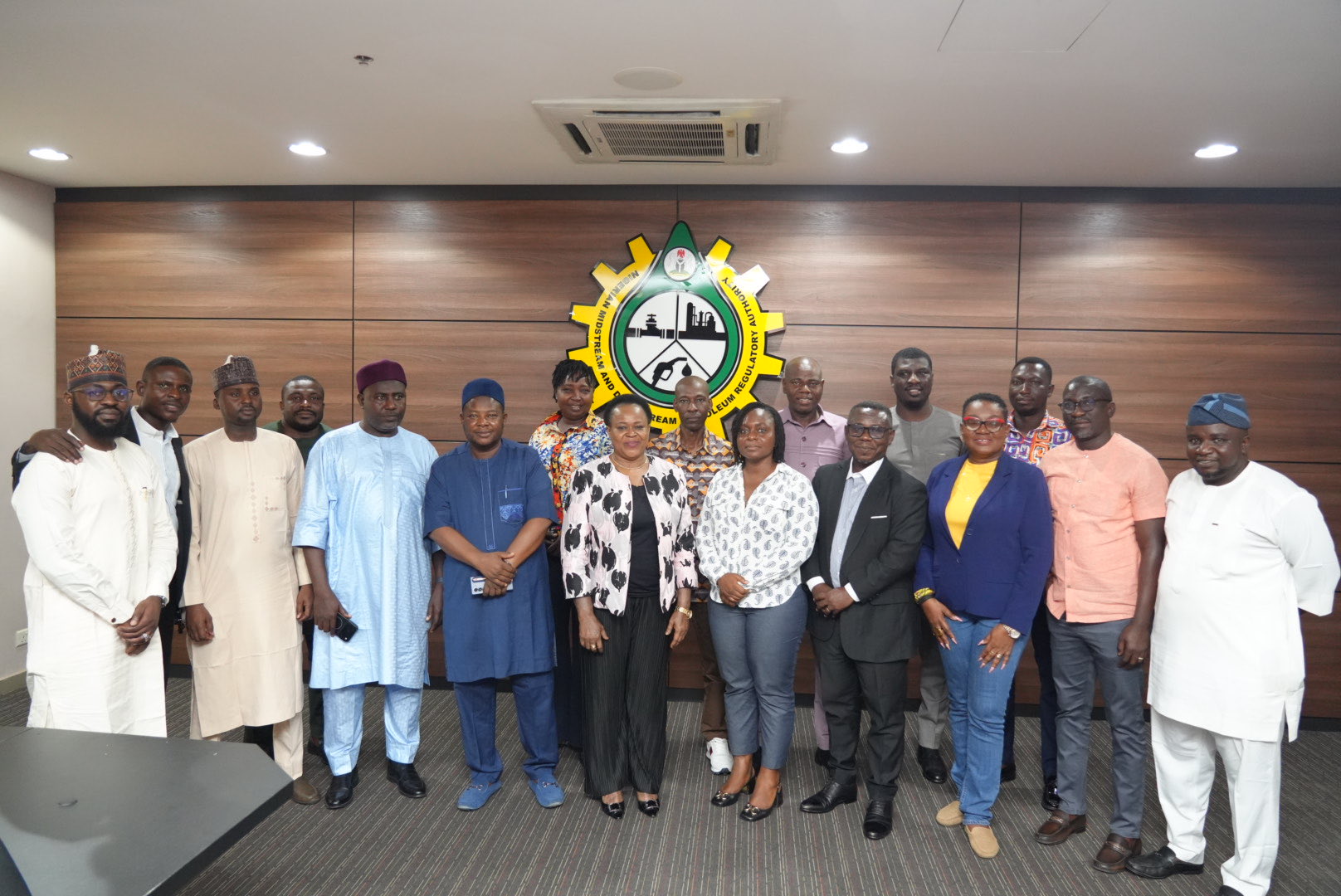
Speaking at an emergency stakeholders’ meeting in Abuja, the Minister of State for Petroleum Resources (Gas), Ekperikpe Ekpo, said the Department of State Services (DSS), the Economic and Financial Crimes Commission (EFCC), and the Nigeria Police Force would be mobilised to address practices fueling the increase in LPG prices.

Ekpo instructed the Nigerian Midstream and Downstream Petroleum Regulatory Authority (NMDPRA) to strengthen market surveillance and collaborate with security agencies to eliminate artificial scarcity, curb hoarding, and promote transparency in product distribution and pricing.
According to the minister, marketers have indicated their readiness to increase imports where necessary, while additional domestic supplies, including output from the Seplat gas facility, are expected to improve product availability in the coming weeks.
“We are also exploring a local blending initiative involving Nigeria LNG Limited (NLNG), local producers and the Port Harcourt plant operator. This will help bring locally produced LPG closer to the market, reduce import dependence and logistics costs, improve supply reliability, and support more stable pricing,” Ekpo said.
He urged marketers and importers to bring in additional volumes when required, disclose cargo arrival and discharge schedules, adopt responsible pricing practices, and avoid withholding products for speculative gains.
The minister also called on transporters and logistics operators to increase truck availability, remove delivery bottlenecks, maintain transparency in haulage costs, and ensure swift movement of products to high-demand locations.
Retailers, he added, should display prices clearly, refrain from arbitrary increases, and promptly report supply disruptions.
Meanwhile, the Chief Executive Officer of the NMDPRA, Rabiu Umar, disclosed that wholesalers and retailers are selling LPG at prices far above the regulator’s indicative benchmarks, with cooking gas reaching as high as N2,100 per kilogramme in some parts of the country.
According to the regulator, consumers are paying significantly more than the recommended price ranges due to profiteering by marketers and persistent distribution challenges.
In the South-West, LPG currently sells between N1,600/kg and N2,100/kg, compared to the regulator’s indicative range of N1,018/kg to N1,177/kg. In the North-Central region, prices range from N1,550/kg to N1,950/kg against a benchmark of N1,066/kg to N1,224/kg.
Similarly, consumers in the South-South are paying between N1,400/kg and N2,000/kg, despite the NMDPRA’s recommended range of N1,021/kg to N1,179/kg.
The authority attributed the disparity to non-cost-reflective pricing and distribution inefficiencies, warning that domestic LPG supply is also being constrained by exports.
Data presented by the regulator showed that Chevron Nigeria Limited produced 148,222 metric tonnes of LPG between January and May 2026 and exported its entire output, representing 22.93 per cent of national production during the period.

The NMDPRA said it would engage the Nigerian Upstream Petroleum Regulatory Commission (NUPRC) and the Ministry of Petroleum Resources to secure more LPG volumes for the domestic market.
The report further revealed that NLNG remained the country’s largest LPG producer during the period, accounting for 187,559 metric tonnes or 29.01 per cent of total production. Dangote Petroleum Refinery followed with 105,127 metric tonnes, representing 16.26 per cent of national output.