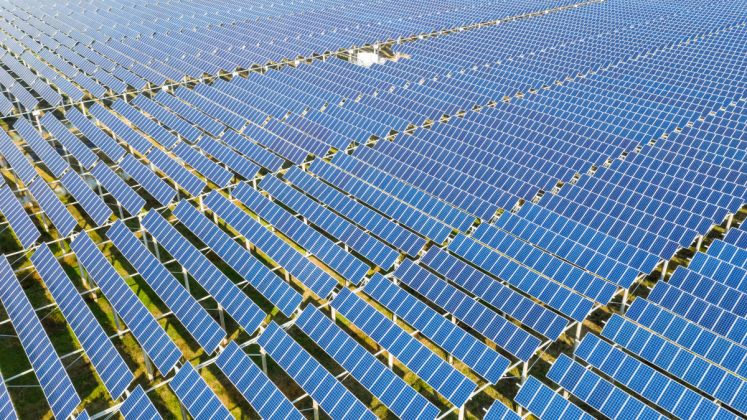
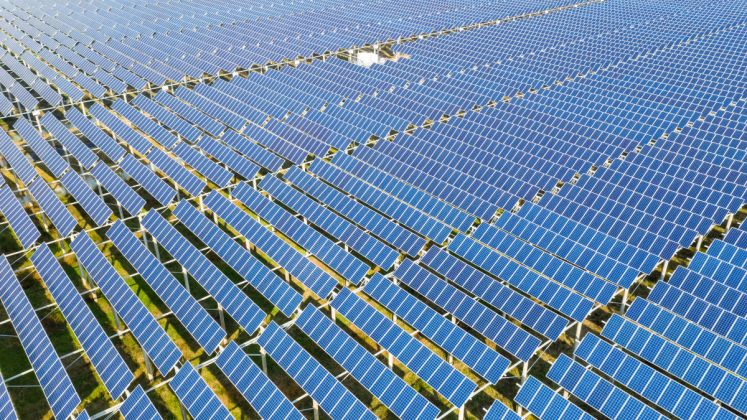
 Solar mini-gridsNigeria, where over 85 million people still live without access to electricity, stands to gain significantly from such decentralized energy solutions. The newly energized communities are already witnessing tangible benefits: local entrepreneurs, particularly women, are using electricity for the first time to run small businesses; schools have extended learning hours; and clinics are now able to refrigerate vaccines and operate after dark.
In addition to improving quality of life and boosting rural economic activity, the solar mini-grids are expected to reduce reliance on diesel generators, helping to avert over 33,000 tons of CO₂ emissions.
The initiative underscores the impact of strong public-private collaboration. It is being implemented in coordination with the Rural Electrification Agency of Nigeria, CrossBoundary Access, and ENGIE Energy Access—all working together to advance Sustainable Development Goal 7 (SDG7), which calls for universal access to affordable, reliable, and modern energy.The project also prioritizes local capacity building, with efforts underway to recruit and train talent within the communities the mini-grids serve.
This rollout represents a growing momentum in Nigeria’s decentralized energy sector, with solar mini-grids emerging as a key solution to closing the country’s electricity access gap and catalyzing rural development.