By Kelechi Onwujuba
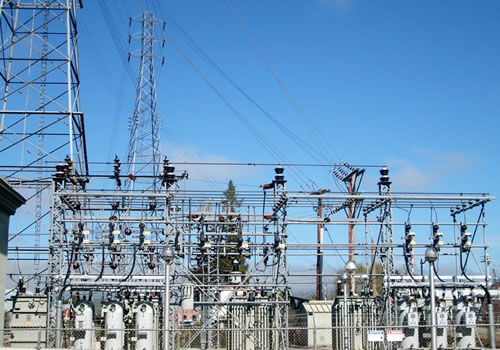
The Federal Government has commissioned upgraded electricity transmission infrastructure at four substations in Kano State, including Walalambe, Kumbotso, Dakata and Dan-Agundi, in a move aimed at improving power supply to industries, businesses and households.
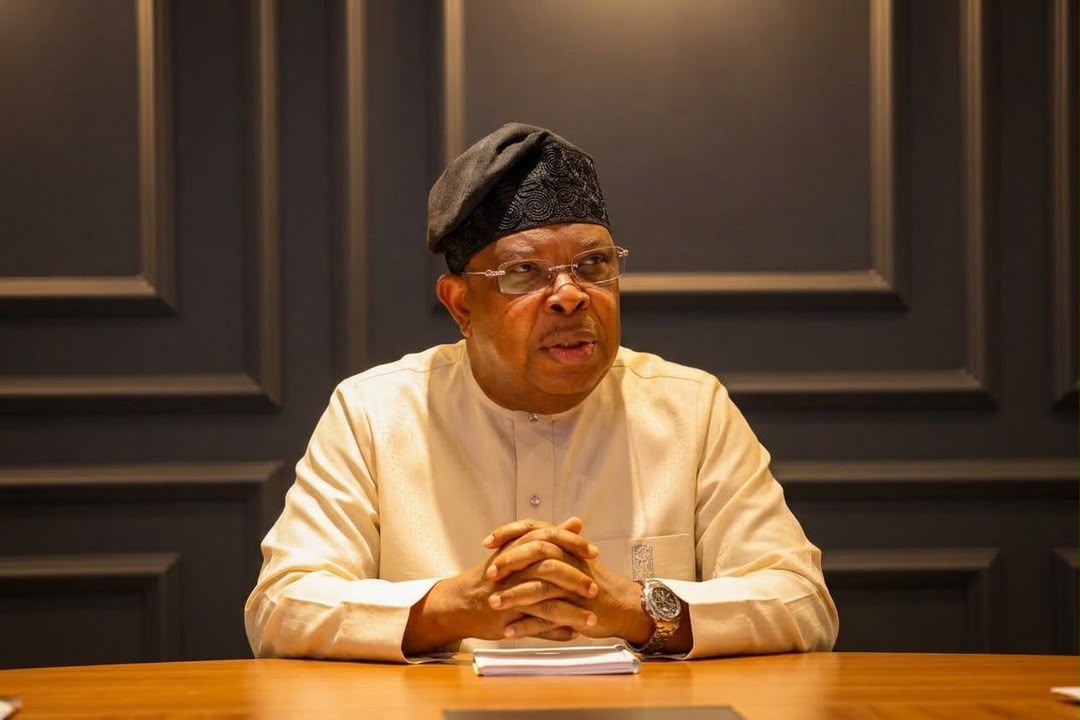
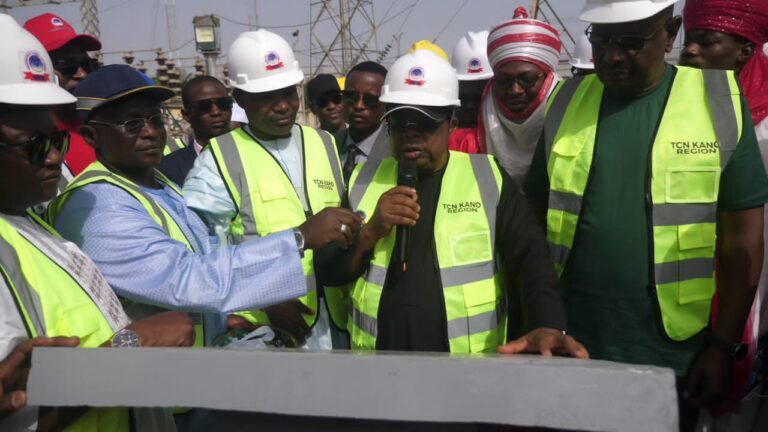
The projects, commissioned on Thursday by the Minister of Power, Mr Joseph Tegbe, are expected to strengthen the transmission network, improve electricity delivery and support Kano’s growing industrial and commercial activities.
The interventions include the installation of two 40 MVA, 132/33 kV transformers at Walalambe, a 300 MVA, 330/132/33 kV transformer and a 100 MVA, 132/33 kV transformer at Kumbotso, as well as additional transformation capacity and modernised control systems at Dakata and Dan-Agundi substations.
Speaking during the commissioning ceremonies, Tegbe said the projects reflected the Federal Government’s commitment to expanding transmission infrastructure, improving network reliability and addressing rising electricity demand under President Bola Tinubu’s Renewed Hope agenda.

He explained that the investments would relieve pressure on existing facilities, provide alternative electricity supply routes and strengthen the capacity of the network to serve industrial, commercial and residential areas.
At Walalambe, the minister said the new installation would improve electricity supply to Tokarawa Industrial Area, the Eastern Bypass, Maiduguri Road, Hadejia Road and adjoining communities.
He added that the facility would provide alternative supply arrangements for the Mariri, Jogana, Farm Centre and Zaria Road injection substations, enhancing operational flexibility and helping electricity operators respond more effectively to network constraints.
Tegbe described the provision of a dedicated 33 kV feeder to Lee Group of Companies, which had operated off-grid for more than 30 years, as a significant milestone.
According to him, access to reliable electricity is essential for businesses to sustain operations, expand production and generate employment.
At Kumbotso, the minister said the installation of the new transformers had increased upstream transformation capacity from 600 MVA to 750 MVA, representing a 25 per cent increase, while downstream capacity rose from 220 MVA to 280 MVA, an increase of approximately 27.3 per cent.
He said the upgrade would provide additional capacity to meet previously unmet electricity demand and improve the flexibility of the transmission network serving Kano metropolis and neighbouring communities.
The project is also expected to benefit at least 220,000 households while strengthening electricity supply to manufacturing companies, agricultural processors, commercial operators and small and medium-sized enterprises.
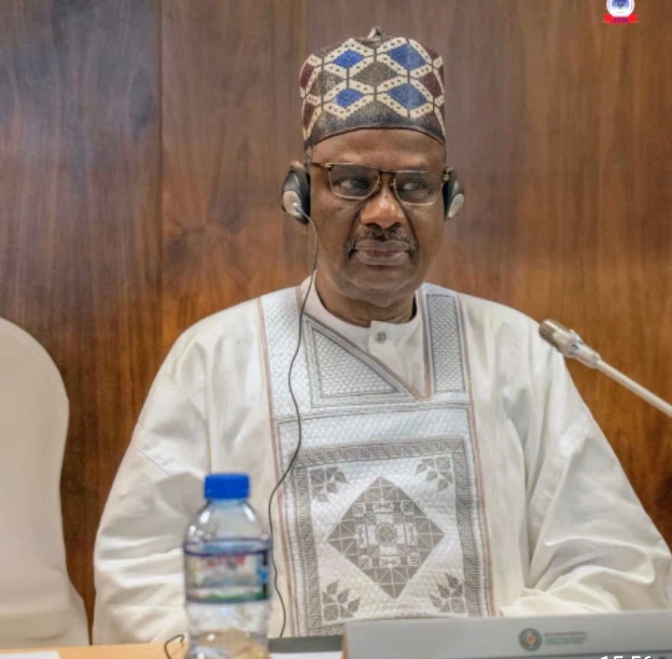
At Dakata, the Managing Director and Chief Executive Officer of the Transmission Company of Nigeria (TCN), Engr. Sule Ahmed Abdulaziz, said the installation of an additional 100 MVA, 132/33 kV transformer had increased the substation’s capacity from 150 MVA to 250 MVA, representing a 66.7 per cent increase.
He said the upgrade would strengthen electricity supply to the Dakata Industrial Complex and adjoining areas, with the potential to benefit at least 70,000 households, subject to electricity availability and the capacity of the distribution network.
Abdulaziz disclosed that the project also involved replacing analogue control and protection panels with modern digital systems and extending the control room to accommodate the upgraded equipment.
He said the improvements would enhance equipment monitoring, fault detection, protection and operational control while facilitating more efficient maintenance.
At Dan-Agundi, the TCN chief executive explained that a new 100 MVA, 132/33 kV transformer had restored and strengthened the substation’s capacity following a fire that damaged two of its three original transformers.
He said the substation initially had three 60 MVA transformers, providing an installed capacity of 180 MVA. However, the fire reduced its available capacity to 60 MVA, significantly constraining electricity supply to Dan-Agundi, the Emir’s Palace, Kano ancient town and adjoining communities.
With the installation of the new transformer, available transformation capacity has increased from 60 MVA to 160 MVA, equivalent to 128 MW.
The project also included the installation of digital control and protection systems and an extension of the control room.
Abdulaziz said the intervention was expected to improve electricity supply to households, businesses and institutions in the affected areas, with an estimated 80,330 people expected to benefit, subject to electricity availability and distribution network capacity.
He explained that the Dakata and Dan-Agundi projects were funded by the World Bank, implemented by TCN in collaboration with the Federal Ministry of Power and executed by China Energy Engineering Group Jiangsu Power Design Institute. Both projects were completed in June 2026.
On the Kumbotso project, Abdulaziz said the replacement of an existing 150 MVA transformer with a 300 MVA unit at the 330/132 kV level, alongside the replacement of a 40 MVA transformer with a 100 MVA unit at the 132/33 kV level, had significantly strengthened the substation’s capacity.
He also noted that the Walalambe installation, comprising two 40 MVA transformers, provided a combined transformation capacity of 80 MVA, equivalent to approximately 64 MW.
According to him, the project, awarded in 2005, was conceived to address increasing electricity demand and ease the load on the Dakata and Dan-Agundi transmission substations serving major parts of Kano metropolis.
The new facility features six outgoing 33 kV feeders and alternative supply arrangements for the Mariri, Jogana, Farm Centre and Zaria Road injection substations.
Abdulaziz said the dedicated feeder to Lee Group of Companies would enable the industrial firm to access electricity from the national grid, potentially reducing its dependence on self-generation.
He added that the projects represented important investments in strengthening the transmission network and improving the delivery of bulk electricity to distribution companies for onward supply to consumers.
The minister commended TCN, the Nigerian Independent System Operator, Kano Electricity Distribution Company and the project contractors for their contributions to the successful delivery of the projects.
He also acknowledged the World Bank’s support for the Walalambe and Kumbotso projects and commended Atlantic Engineering and Construction Company Limited and China Energy Engineering Group Jiangsu Power Design Institute for their respective roles.
Tegbe further praised Kano State Governor Abba Kabir Yusuf for his cooperation with the Federal Government in facilitating infrastructure development in the state.
He urged residents and host communities to protect the facilities against vandalism, warning that damage to electricity infrastructure could disrupt business operations, cause economic losses and affect household activities.
“Public infrastructure serves all of us, and its protection requires the vigilance of all of us,” the minister said.
He maintained that the investments marked an important step towards developing a more reliable transmission network capable of supporting Kano’s industrial expansion, economic growth and improved living standards.