By Energy Worth
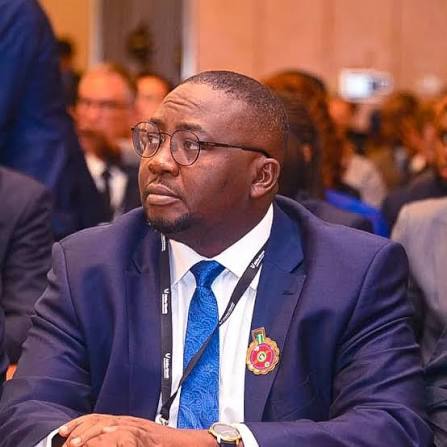
Nigeria’s Minister of Power, Adebayo Adelabu, stirred fresh debate when he declared recently, during stakeholder engagements and public briefings on electricity reforms, that the country requires about $100 billion in investment to achieve a stable and reliable power supply. According to Adelabu, the $100 billion investment is needed over the next 10 years to improve the generation, transmission, and distribution segments of the power sector value chain. The minister stated that about $10 billion is needed annually for 10 years to reach a stable, 24-hour power supply.
The statement, coming amid widespread complaints over erratic electricity and rising tariffs, immediately raised concerns—not just about the size of the figure, but about its timing and implications.
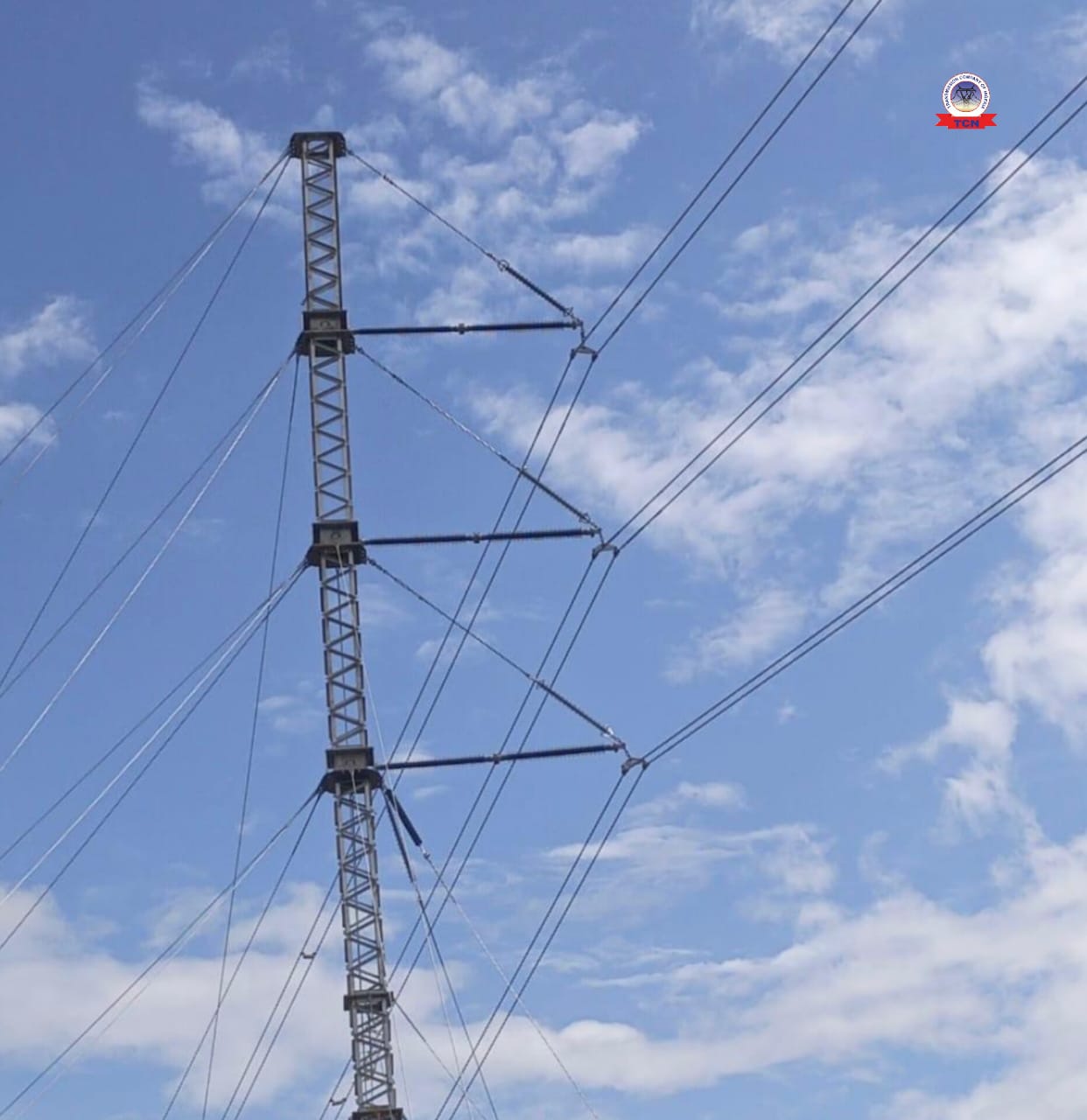
For decades, Nigeria’s power sector has struggled under the weight of underinvestment, poor infrastructure, and policy inconsistencies. With an average generation capacity fluctuating between 4,000 and 5,000 megawatts for a population of over 200 million people, the country clearly faces a massive electricity deficit. In that context, the minister’s $100 billion estimate is not entirely unrealistic; industry experts have long argued that tens of billions of dollars would be required to fix generation, transmission, and distribution challenges over time.
However, what has unsettled many Nigerians is why such a stark figure is only now being emphasized. Since assuming office in August 2023, Adelabu has repeatedly acknowledged the challenges in the sector, yet this level of financial urgency was not prominently communicated until public frustration intensified and protests over electricity costs and supply began to spread across parts of the country. To critics, this raises the question of whether the disclosure is a proactive policy clarification or a reactive response to mounting pressure.
Since Adelabu took office, the Federal Government has continued to allocate hundreds of billions of naira annually to support electricity subsidies, infrastructure upgrades, and transmission improvements. In addition, Nigeria has ongoing multibillion-dollar programs supported by institutions such as the World Bank, including the Power Sector Recovery Program aimed at improving liquidity and service delivery. Yet, despite these financial commitments, the average Nigerian has seen little improvement in electricity supply, with outages and billing disputes remaining common.
This gap between investment and results is at the heart of public dissatisfaction because Nigerians are not merely reacting to the scale of funding being requested; they are questioning the effectiveness of funds already deployed. Persistent issues such as weak transmission capacity, inefficiencies among distribution companies, and inadequate metering continue to undermine progress. These systemic problems suggest that money alone, without strict accountability and structural reform, may not deliver the desired transformation.

Adding to the skepticism are growing political speculations surrounding the minister’s future, particularly in Oyo State. As Adelabu is planning to resign to pursue a governorship ambition, the perception of political distraction has fueled public doubt. In a country where trust in public institutions is fragile, timing and optics matter. A major funding appeal, coming amid speculation of political ambition, naturally invites scrutiny.
The broader question many Nigerians are asking is whether the power sector would be managed differently if it were run like a personal enterprise. While the argument is emotionally compelling, the reality is more complex. Nigeria’s electricity industry is already partially privatized, yet it continues to struggle due to regulatory uncertainty, legacy infrastructure challenges, and financial imbalances. This suggests that the crisis is not simply about ownership, but about governance, discipline, and execution.
Adelabu’s occasional acknowledgments of the sector’s failures, including expressions of regret over poor performance, may signal awareness of the problem, but they have done little to calm public frustration. Nigerians are increasingly demanding not apologies or projections, but tangible and consistent improvement in power supply.
Ultimately, the $100 billion estimate highlights the enormous scale of Nigeria’s electricity challenge, but it also underscores a deeper issue: the recurring cycle of large financial declarations without corresponding results. While it is fair to question the minister’s approach and demand accountability for past spending, it is equally important to separate verifiable facts from speculation. What cannot be disputed, however, is that after years of investment and reform efforts, Nigerians are still waiting for stable electricity.
Whether under Adelabu or any future leadership, the path forward must go beyond headline figures. It requires transparent use of funds, measurable performance targets, and a clear commitment to delivering results. Without these, even $100 billion risks becoming just another number in the long history of Nigeria’s unfulfilled power sector promises.