By Oke Peter
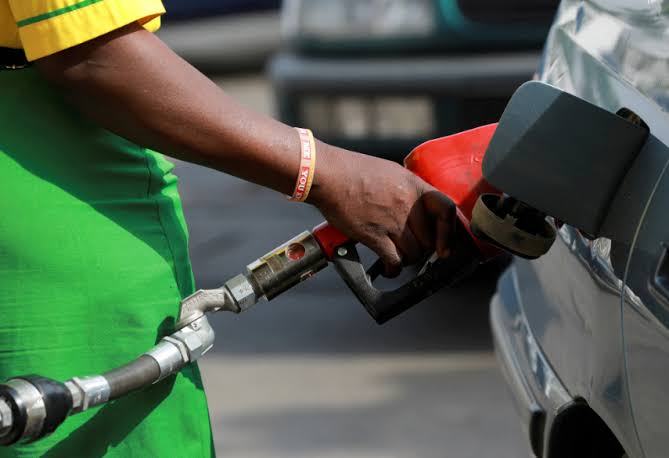
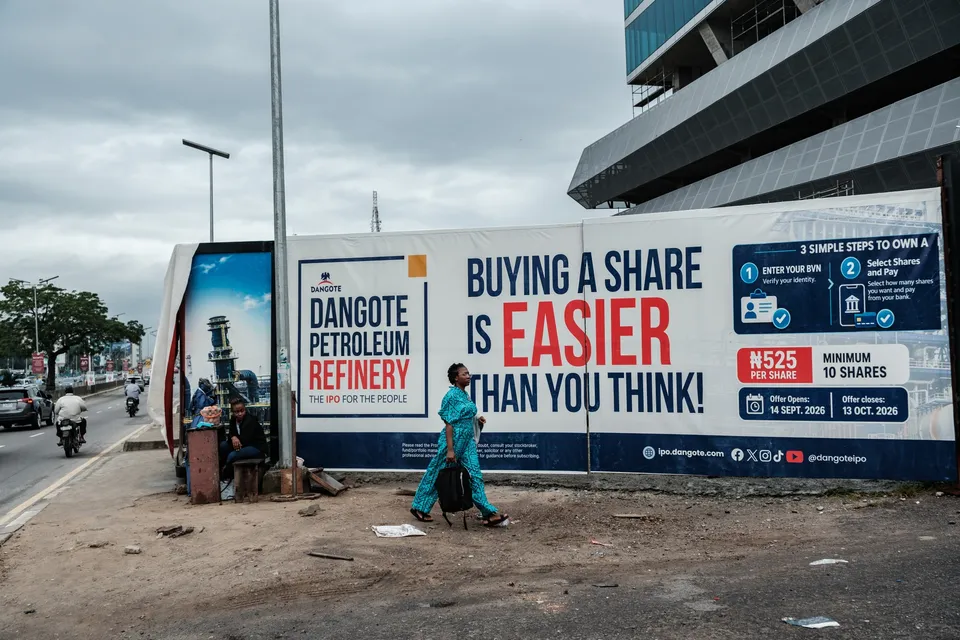
Nigeria is currently facing severe fuel hardship as petrol prices remain very high across the country. Many Nigerians expected that the start of operations at the Dangote Refinery would reduce petrol prices and bring relief to consumers. Instead, the cost of petrol has continued to rise, creating economic pressure on households, transport operators, and businesses.
One of the major causes of the high price of petrol is the increase in global crude oil prices. The international oil benchmark, Brent Crude, has recently hovered around $100 per barrel due to geopolitical tensions and disruptions in global supply. When crude oil prices rise internationally, the cost of producing refined petroleum products also increases. Since petrol prices in Nigeria are now tied to global market realities after the removal of fuel subsidy, Nigerians are directly affected by these global price movements.

Another important factor is the cost of crude oil used by the Dangote Refinery. Even though the refinery is located in Nigeria, it must still purchase crude oil at international market prices. Local crude supply has not always been sufficient or consistent, which sometimes forces the refinery to source crude through international trading arrangements. This means the refinery cannot produce petrol at extremely cheap prices because its main raw material is expensive.
Foreign exchange challenges also play a major role in keeping petrol prices high. Nigeria’s oil and refining sector still relies heavily on the US dollar for transactions such as crude purchases, equipment, and logistics. When the Nigerian currency weakens against the dollar, the cost of refining petrol automatically increases. This exchange rate pressure continues to push petrol prices higher.
The removal of fuel subsidy by the government has also changed how petrol prices are determined. For many years, the government spent large amounts of money subsidizing fuel to keep prices artificially low. Once the subsidy was removed, petrol prices began to reflect the true cost of production, importation, and distribution. Even with local refining from the Dangote facility, the price must still cover crude costs, operational expenses, and transportation.

Distribution and logistics problems within Nigeria also contribute to high fuel prices. The cost of transporting fuel across the country is high because of poor infrastructure, insecurity in some regions, and expensive energy costs. These logistics expenses are added to the final pump price paid by consumers. As a result, petrol often becomes more expensive in areas far from major supply depots.
Nigeria also suffers from structural weaknesses in its oil sector. The country has struggled with issues such as oil theft, pipeline vandalism, inconsistent crude production, and limited refining capacity for many years. Government-owned refineries have not operated efficiently for decades, forcing the country to rely heavily on imported petroleum products in the past. Although the Dangote Refinery is now operating, one refinery alone cannot completely solve decades of structural problems in the sector.
Despite these challenges, there are ways Nigeria can manage the situation and reduce fuel hardship in the long term. One important step is ensuring that local refineries receive a steady supply of crude oil from Nigerian producers. This would reduce the need for expensive international crude sourcing and help stabilize production costs. Improving the stability of the Nigerian currency is also critical because a stronger naira would lower the cost of petroleum operations that depend on foreign exchange.
Nigeria must also invest in rebuilding and supporting more domestic refineries to create competition in the refining market. When multiple refineries operate efficiently, supply increases and price pressures can reduce over time. In addition, improving pipelines, storage facilities, and transportation networks will reduce the high cost of moving fuel across the country.
Beyond petroleum, Nigeria must gradually reduce its dependence on petrol by investing in alternative energy, gas development, and more reliable electricity supply. Diversifying the economy and energy sector will reduce the pressure placed on petrol as the primary energy source for transportation and small businesses.

In conclusion, the high price of petrol in Nigeria is not caused by a single factor but by a combination of global oil prices, exchange rate challenges, deregulation, and long-standing structural weaknesses in the country’s oil sector. While the Dangote Refinery has improved domestic fuel supply, it cannot completely eliminate high prices because it still operates within global market conditions. Real relief for Nigerians will depend on deeper reforms in the oil industry, stronger economic management, and sustained investment in energy infrastructure.