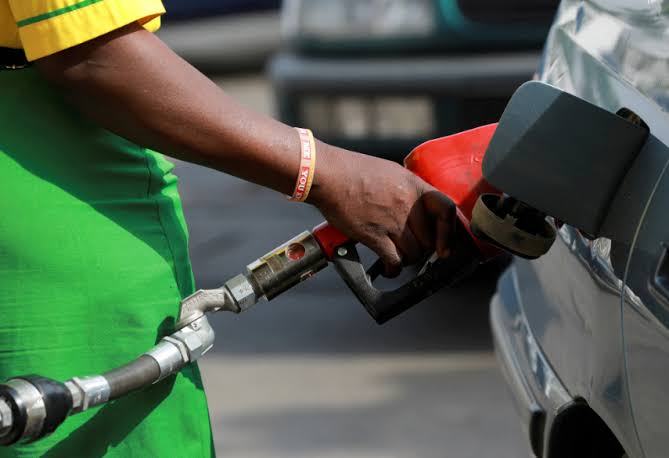
The World Bank has said that imported petrol is currently cheaper than fuel supplied by the Dangote Petroleum Refinery. In its latest Nigeria Development Update released in Abuja on Tuesday, April 7, the bank disclosed that imported Premium Motor Spirit (PMS) is about 12% cheaper than locally refined petrol.
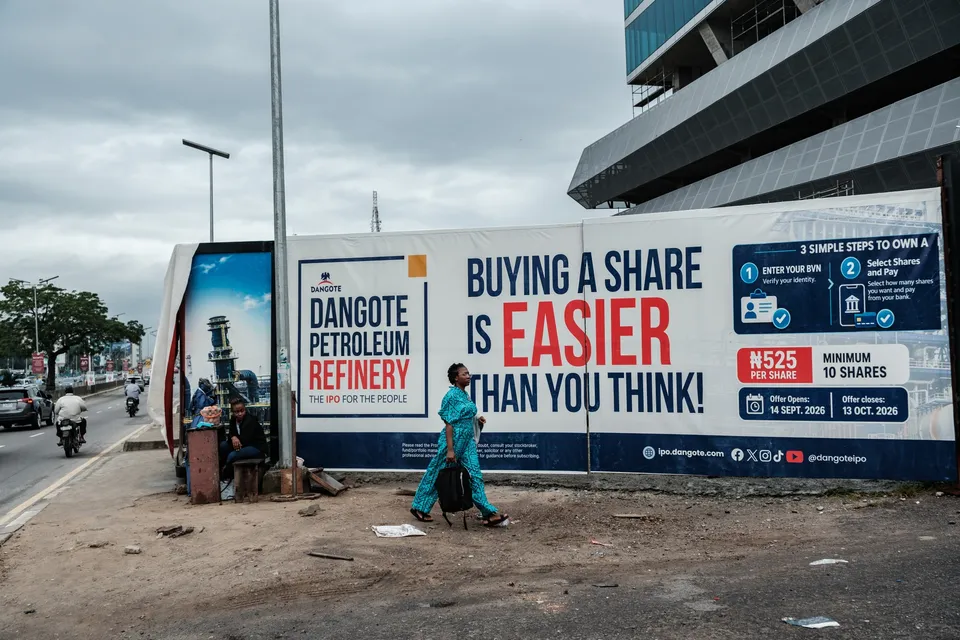
According to the report, the Dangote Petroleum Refinery raised its ex-depot price to about N1,275 per litre as of March 23, 2026, compared to an estimated import-parity price of around N1,122 per litre, creating a price gap in favour of imports.
The bank said the disparity reflects distortions in Nigeria’s domestic pricing framework amid rising global crude oil prices and shifting market dynamics. It noted that the refinery has become the dominant supplier of petrol following the regulator’s decision to halt the issuance of import licences earlier in 2026.

Chief Executive Officer of Dangote Group, Alhaji Aliko Dangote and the World Bank President, Ajay Banga. Source: Bloomberg
The Washington-based institution warned that sustained increases in global oil prices, driven partly by geopolitical tensions in the Middle East, could worsen inflationary pressures in Africa’s largest economy. It is projected that a rise in crude oil prices to around $80 per barrel could increase Nigeria’s headline inflation by about 3.1 percentage points, assuming full pass-through to domestic fuel prices. World Bank warns of inflation risks from fuel price trends.
The report added that energy-related costs, particularly transport, which accounts for about 10.1% of Nigeria’s consumer price index, remain a major channel through which fuel price shocks spread across the economy. Beyond fuel, the bank cautioned that higher global food and fertiliser prices could further drive inflation, compounding cost-of-living pressures for households.
Speaking at the report presentation, the World Bank’s Country Director for Nigeria, Mathew Verghis, said recent reforms have supported some improvement in macroeconomic conditions through 2025 into early 2026. However, he warned that external shocks, including rising energy and shipping costs, continue to pose risks to price stability.
Also speaking, the bank’s Lead Economist for Nigeria, Fiseha Haile, said petrol price increases are already transmitting across transport and logistics chains, further affecting goods and services. He added that although Nigeria’s external position has improved, supported by higher reserves and exchange rate reforms, uncertainties in global financial markets and weaker capital inflows remain key risks.
The report concluded that while Nigeria’s economy is showing resilience, inflation continues to erode purchasing power, underscoring the need for structural reforms to stabilise prices and support vulnerable households.
Legit.ng earlier reported that fuel prices across Nigeria’s major depots rose again on April 2, 2026, as a sharp surge in global crude oil prices pushed up the cost of refined products.