Dershin Govender is Arup’s Owner’s Engineer and Project Management Consultant Lead for Energy in Africa, based in Johannesburg. He has more than 16 years of experience in the transmission sector, spanning substation design, project development, and the delivery of large-scale energy infrastructure projects.
Prior to joining Arup, he held senior positions at Eskom and the National Transmission Company of South Africa (NTCSA), including serving as Portfolio Manager for Project Development.
In his current role, Govender is focused on expanding Arup’s Owner’s Engineer and project management consultancy capabilities across Africa, supporting complex energy projects and the development of transmission networks needed to drive the continent’s energy transition.
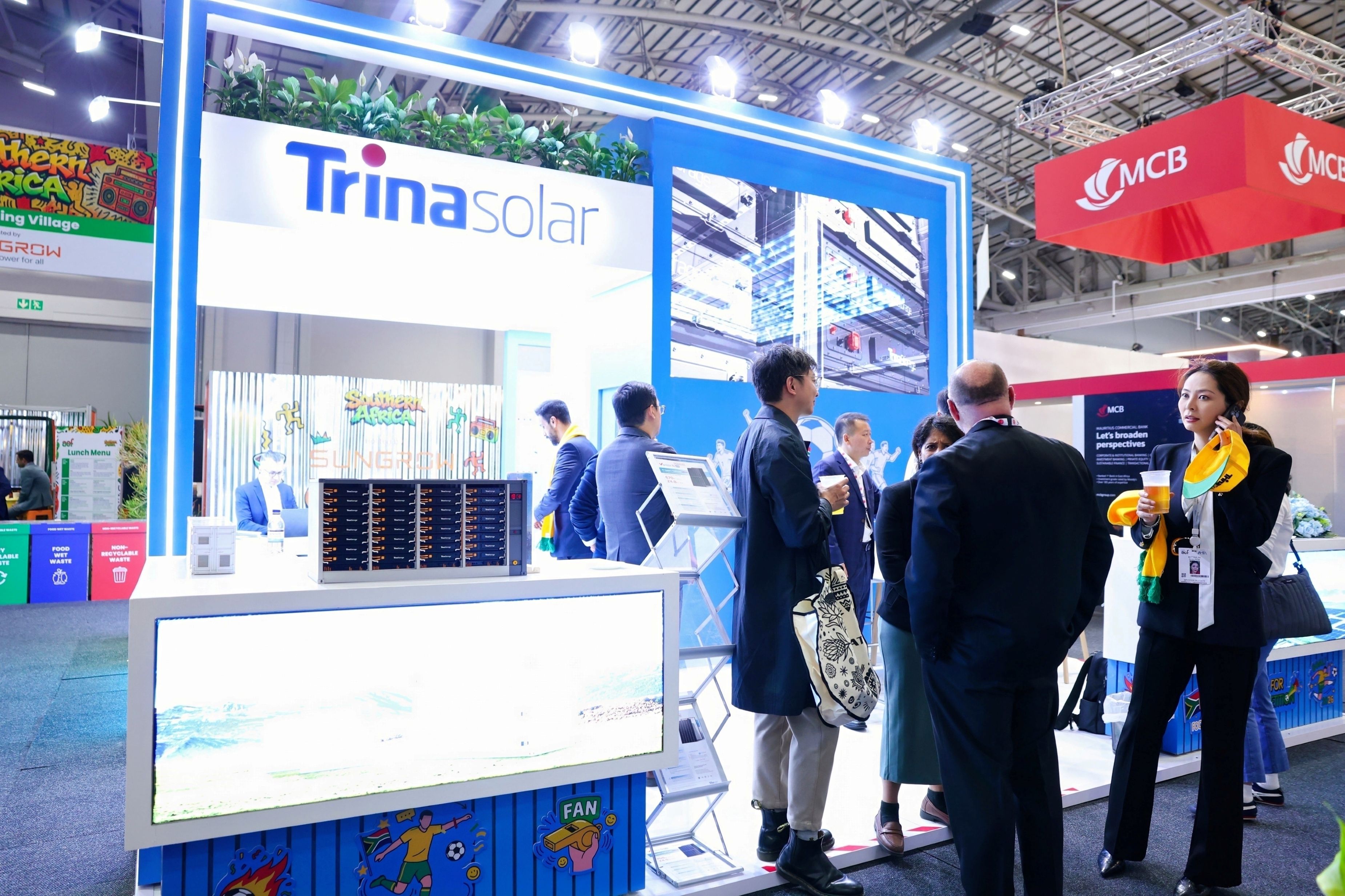
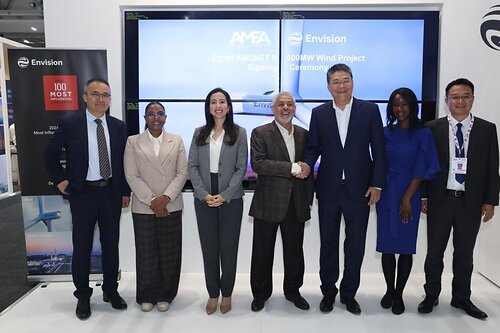
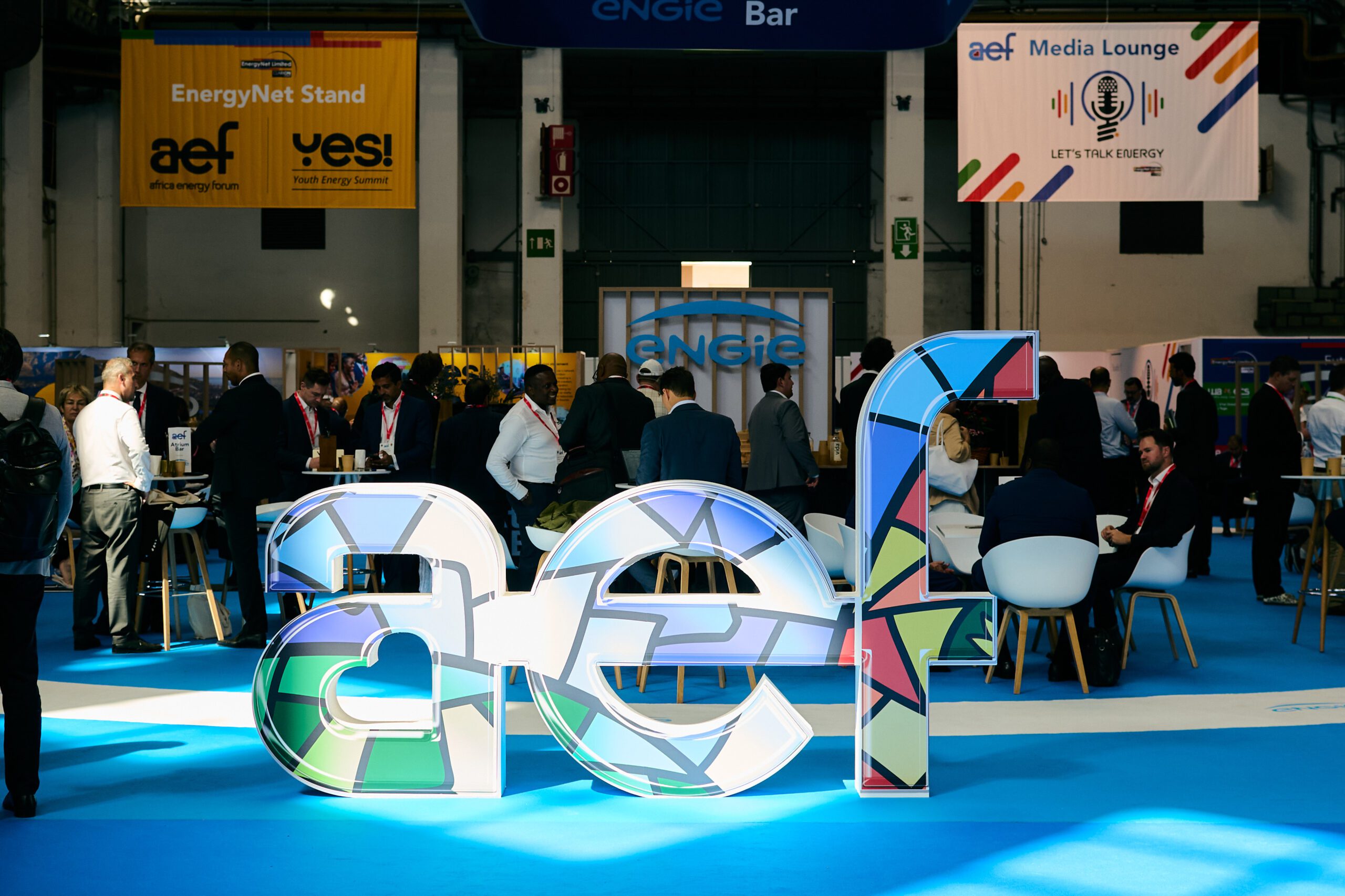
Govender is attending the ongoing Africa Energy Forum (AEF) in Cape Town. In this interview with Oke Peter, he shares his views on Africa’s energy challenges, the critical role of transmission infrastructure, the need for private-sector investment, and the solutions required to accelerate universal electricity access across the continent. Excerpts
What do you see as the biggest challenge facing Africa's transmission infrastructure today?
The development of renewable energy has moved faster than transmission infrastructure. This has created a gap where power can be generated but cannot always be delivered to where it is needed. Transmission projects are often more difficult to deliver than generation projects. Environmental approvals, permitting, land and servitude acquisition, and coordination with multiple stakeholders can take several years.

•Dershin Govender is Arup’s Owner’s Engineer and Project Management Consultant Lead for Energy in Africa
Generation is also more attractive to investors due to clearer revenue streams and simpler financing. Transmission has therefore received less attention, even though generation depends on it. The key challenge is to accelerate transmission expansion and create the conditions for private sector investment.
What is your company doing to support the achievement of universal electricity access across Africa?
Arup provides engineering and advisory services across the full lifecycle of energy projects in Africa. We support utilities, developers, and independent power producers with network planning, grid integration, transmission line and substation design, and system strengthening. As more renewable energy projects come online, strong transmission networks are essential to ensure electricity reaches businesses and communities reliably.
We also act as Owner's Engineer, providing independent technical advice across the project lifecycle. This includes feasibility studies, procurement support, design reviews, and construction oversight, helping improve delivery and reduce risk for clients. Through our Lender's Technical Advisor services, we support banks and investors by assessing technical risks. This is particularly important in markets where projects can be complex to structure and deliver, and where confidence is needed to unlock investment.
Arup is also supporting major transmission developments in South Africa, including work aligned with the Independent Transmission Projects Programme and NTCSA Transmission Development Plan. Our teams combine local expertise with international experience, including lessons from large-scale programmes such as the UK's Great Grid Upgrade.
What lessons from South Africa's transmission sector can other African countries adopt?
• Transmission planning must stay ahead of generation planning. Without enough grid capacity, projects become constrained.
•Regulatory reform matters. The creation of NTCSA and the Independent Transmission Projects Programme shows how structures can attract private investment while maintaining oversight.
• A transmission plan alone is not enough. The private sector needs a clear pipeline of projects, supported by regulatory certainty and defined procurement processes.

What role can Owner's Engineers play in ensuring the successful delivery of large-scale energy projects in Africa?
As Owner's Engineers, we play a critical role as the independent technical representative of the project owner. Through our global expertise and experience, Arup's responsibility is to ensure that:
•Designs are technically sound.
•Procurement processes are robust.
•Contractors meet quality standards.
•Risks are identified and mitigated early.
This independent oversight is important on complex energy projects involving multiple contractors. Ultimately, we help reduce technical risk and improve project outcomes for all stakeholders.
How can African governments accelerate the development of transmission infrastructure needed for renewable energy integration?
Governments can accelerate transmission development in four key ways.
• First, streamline permitting and approvals. Land acquisition, environmental approvals, and rights of way are major sources of delay.
• Second, create stable regulatory frameworks. Investors need certainty around tariffs, procurement, and governance.
• Third, encourage private participation. Public funding alone is not enough, and public-private models can help accelerate delivery.
• Finally, strengthen regional interconnections. Cross-border transmission improves reliability and allows countries to share resources more effectively.
What key message are you bringing to stakeholders at the Africa Energy Forum this year?
Africa's energy challenge is increasingly a transmission challenge. Addressing it requires investment, but also the right market framework. In South Africa, progress is being made through the Independent Transmission Projects Programme, which provides a clearer route for private sector participation by creating a visible pipeline of projects and defined roles.
The Transmission Development Plan sets out long-term needs, but the next step is to turn this into a market framework that delivers a bankable pipeline. Without this visibility, it is difficult for the private sector to commit resources or invest at scale. The broader lesson for Africa is that transmission plans alone are not enough. Governments need to create the conditions for a sustained and investable programme of work.
Can you share some of the most impactful transmission or energy projects you have been involved in, and the lessons they offer for Africa?
In many transmission projects, the biggest challenges are not technical. They are linked to land acquisition, environmental approvals, and stakeholder engagement. Success depends on early and consistent engagement with landowners, communities, and other stakeholders. Too often, engagement is treated as a compliance exercise rather than a core part of delivery.
Projects are far more likely to succeed when communities understand why infrastructure is being built, the benefits it will deliver, and how it will affect them. Building trust is critical, and that comes from clear communication, transparency, and following through on commitments. Where engagement is weak, projects often face objections, delays, and legal challenges. These can take years to resolve and can have a greater impact on timelines than engineering or construction issues. Ultimately, successful transmission projects are not just about technical design. They are about people, relationships, and trust.
If Africa is to achieve reliable and affordable electricity for all, what is the one thing governments and investors must prioritise right now?
Africa does not have an energy resource challenge; it has an infrastructure delivery challenge. The continent possesses abundant hydro, solar, and wind resources, but unlocking their full potential depends on our ability to build, modernise, and strengthen transmission networks. Grid expansion and resilience must become strategic priorities if we are to deliver affordable, reliable, and sustainable electricity to all Africans.