By Gold Jeremiah
Nigeria spent about $4.15 billion and N11.35 trillion on the Port Harcourt, Warri and Kaduna refineries before 2021, yet the facilities remained largely non-functional, the President of Petroleum and Natural Gas Senior Staff Association of Nigeria, (PENGASSAN), Festus Osifo has said.
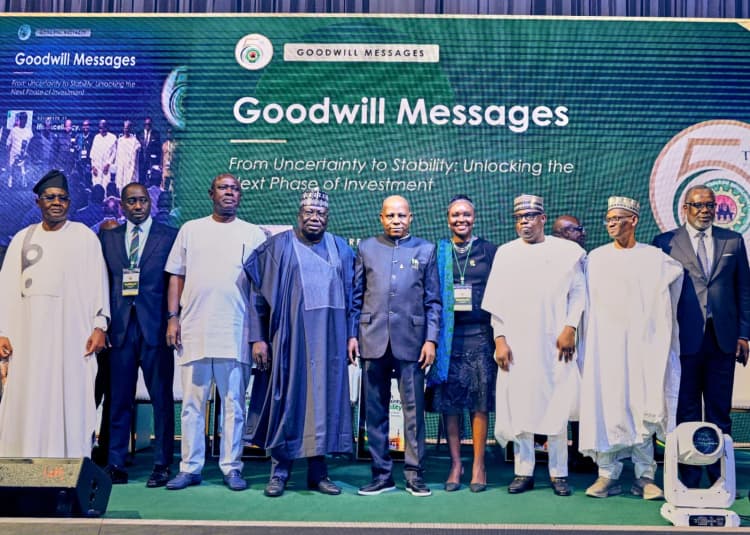
Osifo spoke in Lagos on Monday where he lamented that for many years Nigerians were told the three refineries were undergoing rehabilitation and turnaround maintenance, but little actual work was done until contracts were signed in 2021.
He said: “Until what started happening in 2021, if you interview people that have worked in Port Harcourt, Kaduna and Warri refineries 15 years before 2021, they will all tell you that they have never seen any rehabilitation or any turnaround maintenance compared to what they’ve seen from 2021.”

•President of Petroleum and Natural Gas Senior Staff Association of Nigeria, (PENGASSAN), Comrade Festus Osifo.
About $4.15bn was allocated to refinery interventions between 1993 and 2019, spread across successive administrations from Abacha’s $520m to Buhari’s $2.39bn, according to the record of the Nigerian National Petroleum Company Limited and the National Assembly.
Besides, the House of Reps reported that roughly N11.35trn was spent on running and rehabilitating the refineries between 2019 and 2029.
The quoted figure includes N4.8trn for operations, N42.65bn specifically tagged for rehabilitation from 2013 to 2019, and N191.67bn deducted from the Federation Account in 2020 and 2021.
Other foreign currency costs of $592.9m, €4.87m and £3.45m were also recorded within the period.
The refineries operated at less than 30% capacity and were described as largely unproductive from 2010 despite the huge expenditure on the facilities.
Osifo told newsmen that the current rehabilitation efforts, including the $1.5bn contract for Port Harcourt Refinery signed in 2021, mark the first genuine attempt to put the facilities in good shape.
He stated that the rehabilitation of the Port Harcourt Refinery was extensive, describing the facility at the time as resembling a construction site.
According to him, about 90 to 95 per cent of PENGASSAN members working at the refinery were transferred to different strategic business units (SBUs) of the Nigerian National Petroleum Company Limited (NNPC Ltd.) during the rehabilitation.
He said the old Port Harcourt Refinery was eventually separated from the new facility because a critical component required for the new refinery had a delivery lead time of about three and a half years.
The old refinery, he disclosed, could produce products such as Automotive Gas Oil (AGO), Dual Purpose Kerosene (DPK) and aviation fuel, but could not produce Premium Motor Spirit (PMS) to the required specification without further processing.
The decision to decouple the old refinery from the new one, he said, enabled the old facility to resume production.
According to him, later management of NNPC Ltd. discovered that the refinery was not economically viable because the value of crude put into it was not commensurate with the value of the products being produced.

Lending his association’s support for the proposed partnership involving NNPC Ltd. and Chinese investors, Osifo said PENGASSAN had repeatedly advocated the adoption of an equity partnership model similar to that of Nigeria LNG Limited (NLNG), with private investors taking a controlling stake while government retains a minority interest.
The Chinese companies being brought into the refinery arrangements are expected to become equity partners rather than merely maintenance contractors.
He hinted that PENGASSAN would prefer investors to acquire up to 51 per cent equity while the government retains 49 per cent, arguing that such an arrangement would reduce government interference and ensure that business decisions are driven by commercial considerations.
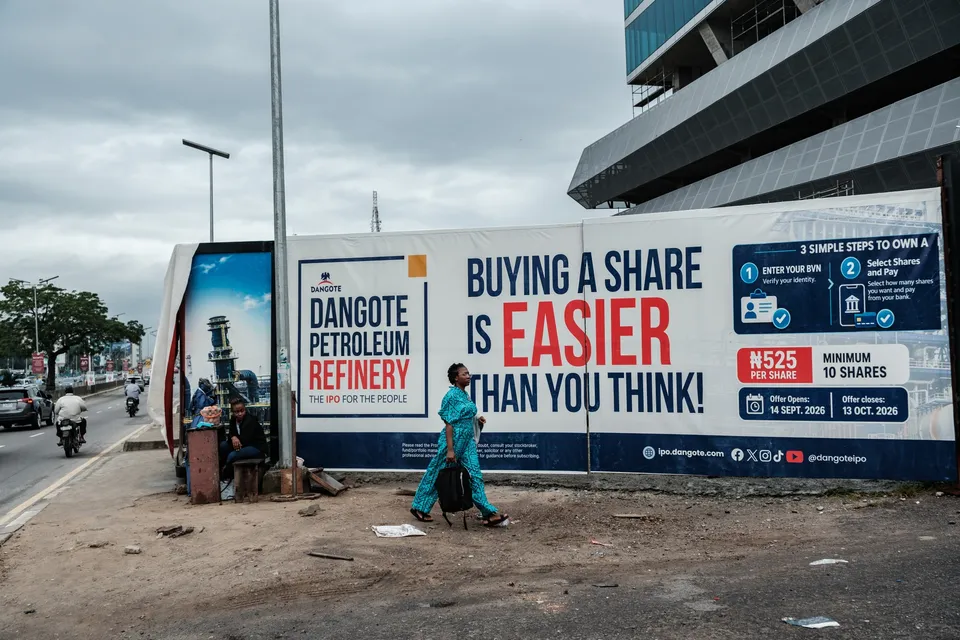
On the union’s engagement with the Dangote Refinery, he said PENGASSAN has been able to resolve issues involving workers and ensure that about 600 affected employees returned to work at the refinery.