By Kelechi Onwujuba
The Nigerian Independent System Operator (NISO) has expressed concern over what it described as increasing misinformation and poor technical understanding of national grid operations in public discourse, warning that inaccurate reporting could heighten public anxiety during system disruptions.
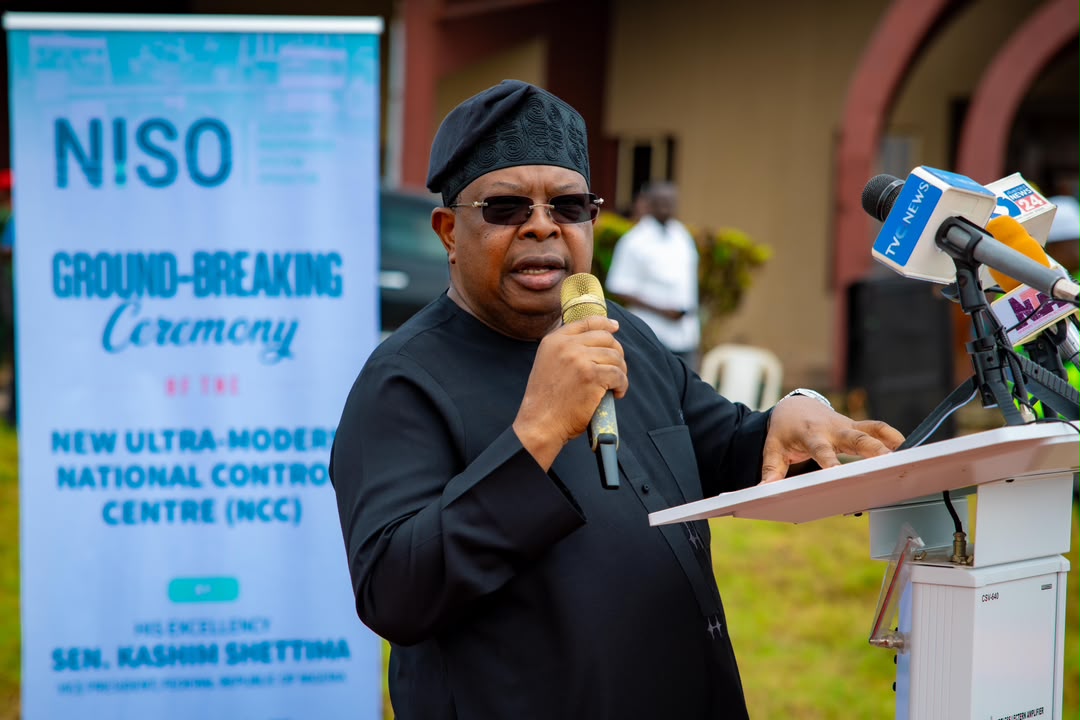
The Managing Director and Chief Executive Officer of NISO, Abdu Bello Mohammed, raised the alarm during an engagement session with energy correspondents, media organisations and corporate communications heads of electricity distribution companies (DisCos).
Mohammed said the operator had observed misleading headlines and inaccurate narratives circulating about grid operations and institutional performance, stressing that such reports often distort public understanding of how the electricity system functions.
He urged journalists to strengthen fact-checking by verifying technical information directly with NISO before publishing sensitive reports, noting that accurate communication would help sustain public confidence in the power sector and prevent unnecessary panic during operational disruptions.

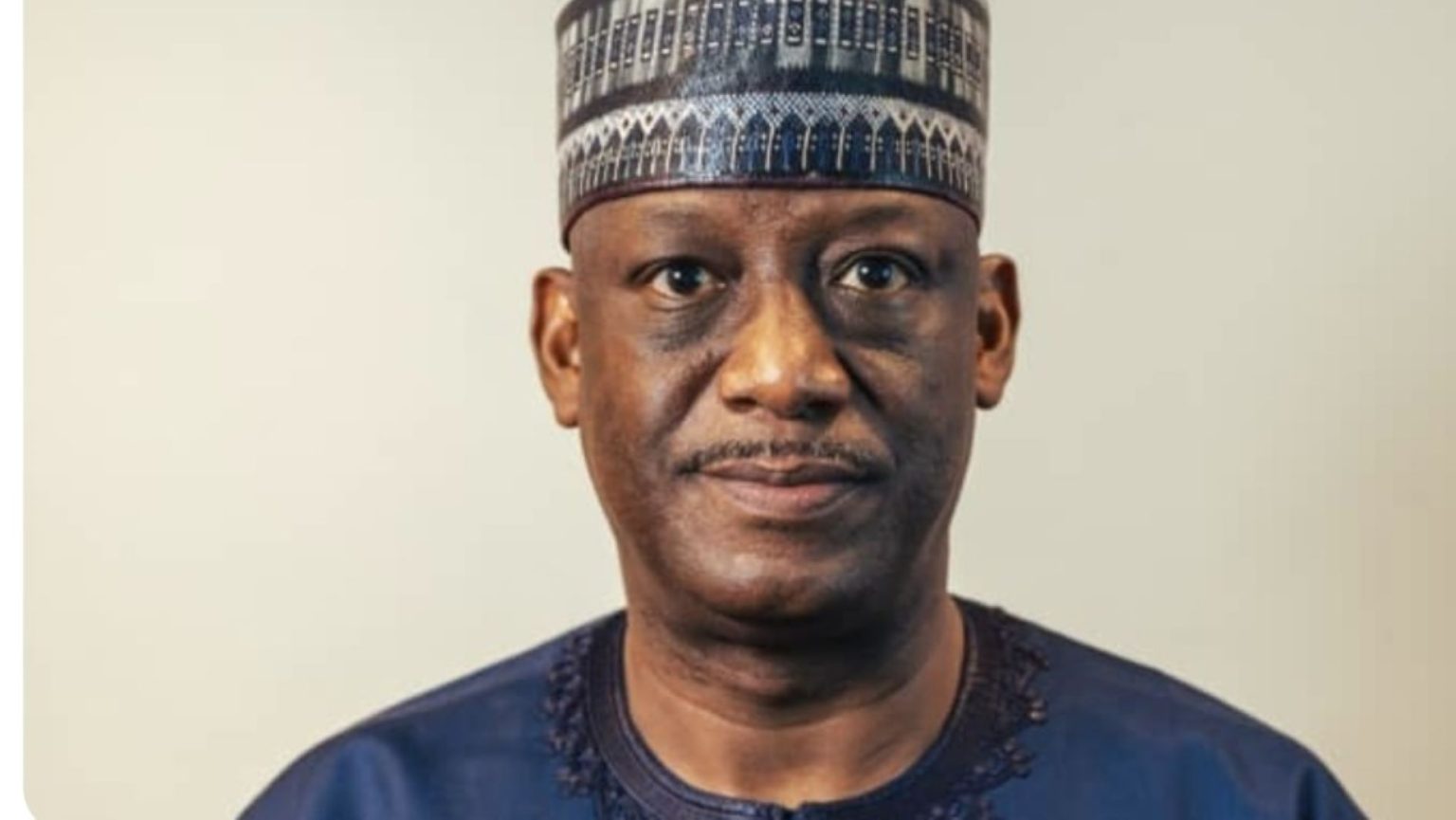
•Managing Director and Chief Executive Officer of NISO, Abdu Bello Mohammed
Acknowledging past gaps in communication between NISO and the media, Mohammed pledged that the system operator would adopt a more structured approach through regular updates and sustained engagement to ensure accurate information is made available for public dissemination.
He also disclosed plans to organise targeted training programmes for journalists to deepen their understanding of grid operations, system behaviour and technical fault dynamics, noting that errors in reporting are often driven by the complexity of electricity system management rather than deliberate intent.
While commending many energy correspondents for their sector knowledge, Mohammed said additional capacity-building would improve accuracy and context in reporting.
“We will ensure deeper engagement and support for the media so that reporting on the sector reflects technical accuracy and context,” he said.
Explaining the nature of electricity disruptions, NISO noted that faults can occur at any point across the value chain—generation, transmission or distribution—while immediate stabilisation measures are usually deployed to restore normal operations.
The system operator described the national grid as an interconnected high-voltage network that must operate within strict frequency limits. It explained that frequency is a key indicator of balance between electricity supply and demand.
According to NISO, the Grid Code stipulates a nominal operating frequency of 50Hz, while the system is expected to remain within a tolerance of 50Hz ± 2.5%, meaning the acceptable range is between 48.75Hz and 51.25Hz.
It, however, noted that maintaining perfect balance is difficult due to largely manual system operations and low system visibility.
NISO warned that significant deviation outside the permissible frequency range could trigger cascading failures, potentially leading to a nationwide blackout.
The operator explained that a total system collapse occurs when generation drops to zero megawatts, effectively shutting down electricity supply across the entire interconnected grid.
A partial system collapse, it added, affects only sections of the network and is often caused by voltage and frequency instability, including cascading failures resulting from equipment tripping at generation, transmission or distribution levels.
NISO further noted that grid disturbances may manifest as sudden load drops or rapid frequency fluctuations, which may not always lead to collapse but remain serious operational risks requiring immediate intervention.