By Oke Peter
The Nigerian National Petroleum Company Limited (NNPC Ltd) has accused Dangote Petroleum Refinery of attempting to dominate Nigeria’s downstream petroleum market through a lawsuit seeking to halt fuel import licences issued to rival marketers.
In court filings before the Federal High Court in Lagos, the state oil company argued that granting Dangote’s request to void or restrict import permits would weaken market competition and expose the country to supply disruptions, price volatility, and broader threats to national energy security.
The position formed part of NNPC’s proposed defence in response to a suit filed by Dangote Petroleum Refinery against the Attorney-General of the Federation.
According to Reuters, the legal battle has also prompted the Nigerian Midstream and Downstream Petroleum Regulatory Authority (NMDPRA) to seek joinder in the case.

The dispute escalated less than a month after Dangote Refinery instituted fresh legal action challenging the fuel import licences granted to oil marketers and NNPC.
At the centre of the conflict is Nigeria’s fuel import policy and the growing market influence of Dangote’s 650,000 barrels-per-day refinery, regarded as Africa’s largest.
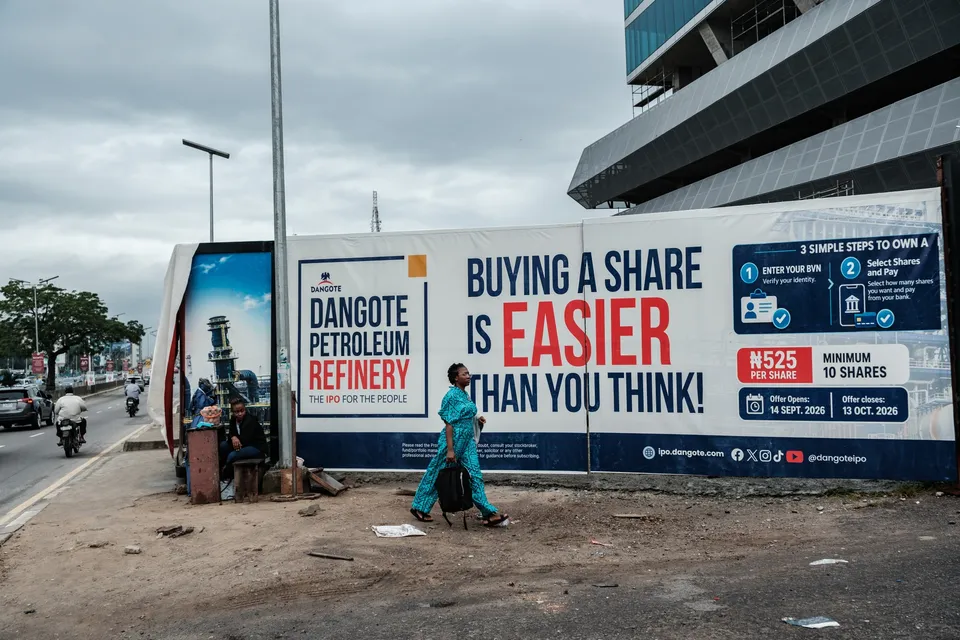
The development comes ahead of the refinery’s planned initial public offering (IPO) in September, intensifying concerns over competition, market regulation, and the company’s future earnings outlook.
In its suit, Dangote Refinery argued that the continued issuance of import licences undermines local refining efforts and runs contrary to provisions of the Petroleum Industry Act (PIA), which was enacted to encourage domestic refining capacity.
NNPC, however, dismissed the claims, maintaining that the law permits regulators to issue import licences to firms with refining licences or proven experience in international crude and petroleum products trading.
The company further argued that the authorities retain discretionary powers to regulate fuel imports under Nigeria’s backward integration policy, noting that imports can only be restricted when local production is proven sufficient to meet national demand.
NNPC also contended that Dangote Refinery had failed to provide “credible, independent or verifiable evidence” demonstrating its capacity to consistently satisfy Nigeria’s fuel needs and guarantee uninterrupted nationwide supply.
The refinery declined to comment on the matter, citing the ongoing court proceedings.

NNPC additionally denied allegations that it deliberately frustrated Dangote Refinery’s operations or withheld crude oil supplies, insisting that crude allocation decisions are guided by operational, commercial, security, and logistical considerations.
Fuel marketers have also opposed Dangote’s suit, warning that restricting import licences could erode market competition and threaten fuel supply stability across the country.
The Federal High Court is expected to hear the matter in the coming weeks.