By Shittu Oluwadamilola
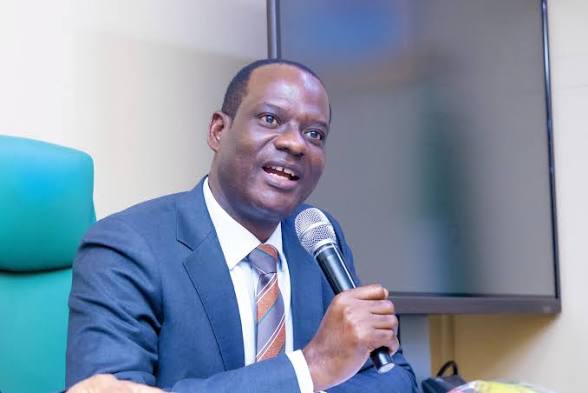
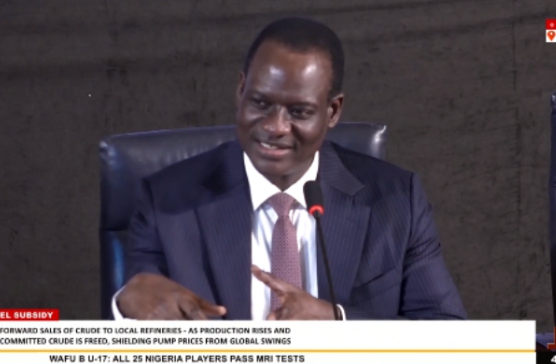
Nigeria’s Minister of Power, Adebayo Adelabu, has issued a public apology to citizens over the persistent electricity outages affecting the country. The apology comes amid growing dissatisfaction among Nigerians who continue to endure unreliable power supply and frequent grid disruptions.
In his address, Adelabu expressed deep regret for the hardship caused by the ongoing power challenges, acknowledging that the situation has placed significant strain on households and businesses alike. He admitted that the current state of electricity supply falls short of public expectations and government commitments.
The minister pointed to recent national grid disturbances as a major cause of the widespread outages experienced in several parts of the country. These disruptions have led to extended blackouts, further intensifying public frustration and raising concerns about the stability of the power sector.
Adelabu explained that the issues plaguing the sector are largely due to longstanding structural weaknesses. He cited aging infrastructure, insufficient maintenance, and technical inefficiencies as key factors contributing to the recurring failures within the system.

While offering his apology, the minister assured Nigerians that the government is not ignoring the situation. He stated that efforts are underway to address the technical faults and improve the resilience of the national grid to prevent future collapses.
According to him, specialized teams have been mobilized to carry out urgent repairs and upgrades across critical points in the transmission network. These interventions, he said, are aimed at restoring stability and gradually improving electricity supply nationwide.
Adelabu also highlighted broader reform initiatives designed to reposition the power sector for long-term sustainability. These include investments in infrastructure, policy adjustments, and increased collaboration with private sector stakeholders to enhance efficiency.
Despite these assurances, many Nigerians remain skeptical, citing years of similar promises without significant improvement. The continued reliance on alternative power sources such as generators has added to the economic burden faced by citizens and businesses.
Public reaction to the apology has been divided. While some have commended the minister for taking responsibility, others have called for immediate and measurable results rather than repeated explanations and commitments.
Ultimately, Adelabu’s apology reflects the urgency of addressing Nigeria’s electricity crisis. As pressure mounts on the government, Nigerians are looking beyond words, hoping that concrete actions will finally deliver the stable and reliable power supply the nation has long awaited.