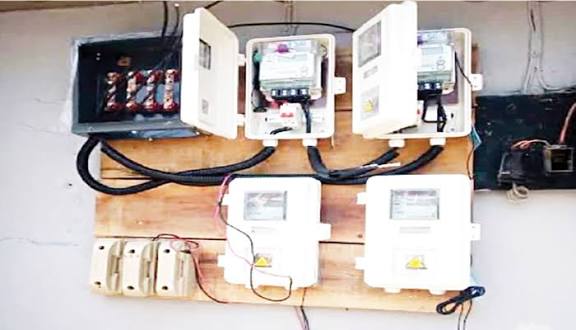
Electricity access and billing have long been challenges across Africa. To improve revenue collection, reduce billing disputes, and give consumers better control over their usage, many African countries have widely adopted prepaid electricity meters. These meters require users to pay for electricity before consumption, eliminating postpaid surprises and minimizing the risk of unpaid bills.

While the concept is common across the continent, the method of acquiring these meters — and who bears the cost — varies significantly from one country to another.
In countries such as South Africa, Ghana, Kenya, Rwanda, and Ethiopia, prepaid meters are typically provided and installed by the utility company or local municipality. Consumers pay regulated connection or service fees, but the meter itself remains the property of the utility. This approach ensures standardized installations, reduces upfront costs for households, and streamlines maintenance and revenue management.
Governments and utilities often fund large-scale rollouts to accelerate access, ensuring that the burden of acquiring the equipment does not fall on individual households.
Nigeria, however, presents a contrasting picture. Here, consumers often pay upfront for prepaid meters through schemes such as the Meter Asset Provider (MAP) initiative or via direct purchases from electricity distribution companies (DisCos). Although government programs aim to close the metering gap, the reality is that millions of Nigerian households shoulder the cost of the meters themselves. This creates a sharp divergence between Nigeria and its African peers, raising questions about equity, affordability, and the efficiency of utility-funded metering models.
Below is a straightforward comparison highlighting the utilities in charge and how each system works in practice.
South Africa
Utilities in charge: Eskom and local municipal electricity departments. The regulator is National Energy Regulator of South Africa (NERSA).
How consumers get prepaid meters:
1. The customer applies for a new connection or conversion to prepaid at an Eskom or municipal office.
2. The utility inspects the premises for wiring compliance.
3. The customer pays a connection or conversion fee.
4. The utility installs and activates the prepaid meter.
Who pays for the meter?
Consumers do not purchase the meter. It remains the property of the utility or municipality. Customers pay only regulated service or connection fees.

Ghana
Utility in charge: Electricity Company of Ghana (ECG).
How consumers get prepaid meters:
1. The customer applies at an ECG office.
2. ECG conducts an inspection.
3. The customer pays approved connection charges.
4. ECG installs and activates the prepaid meter.
Who pays for the meter?
The meter remains the property of ECG. Consumers pay connection or installation fees, not the full commercial cost of the meter.
Kenya
Utility in charge: Kenya Power and Lighting Company (Kenya Power)
How consumers get prepaid meters:
1. An application for a new connection is submitted to Kenya Power.
2. A site inspection and load assessment are conducted.
3. The customer pays a regulated connection fee.
4. Kenya Power installs the prepaid meter.
Who pays for the meter?
The meter is owned by Kenya Power. Customers pay only the connection fee, not the purchase price of the meter.
Rwanda
Utility in charge: Rwanda Energy Group (REG).
How consumers get prepaid meters:
1. An application is submitted to REG.
2. A technical assessment is carried out.
3. The customer pays connection charges.
4. REG installs the prepaid meter.
Who pays for the meter?
The utility owns the meter. Consumers pay service-related charges only.
Ethiopia
Utility in charge: Ethiopian Electric Utility (EEU).
How consumers get prepaid meters:
1. The customer applies at an EEU office.
2. Inspection and approval are conducted.
3. The applicable service fee is paid.
4. EEU installs the prepaid meter.
Who pays for the meter?
Meters are deployed and owned by the state utility. Consumers generally pay connection-related fees, not the full cost of the meter.
Nigeria
Nigeria operates a different model. The utilities in charge are the 11 Electricity Distribution Companies (DisCos): Abuja (AEDC), Benin (BEDC), Eko (EKEDC), Enugu (EEDC), Ibadan (IBEDC), Ikeja (IKEDC), Jos (JEDC), Kaduna (KAEDCO), Kano (KEDC), Port Harcourt (PHEDC), and Yola (YEDC).
There has been recent controversy between the Federal Government, through the Nigerian Electricity Regulatory Commission (NERC), and the DisCos regarding prepaid meter acquisition. The regulatory body stated that prepaid meters should be provided free of charge, while the DisCos countered that meters are not free.

How consumers get prepaid meters:
Nigeria operates multiple schemes:
1. Meter Asset Provider (MAP) Scheme – Consumers pay upfront for meters supplied by approved vendors, with structured refunds provided through energy credits over time.
2. Government-funded initiatives – Such as the Presidential Metering Initiative (PMI), where the government funds meter procurement for DisCos.
3. In practice, many customers still report paying directly to DisCos or vendors before installation.
Who pays for the meter?
Unlike the other countries listed, Nigerian consumers often pay the full cost of the prepaid meter upfront, even though electricity distribution companies remain responsible for metering under regulation.
Conclusion
In most African countries reviewed, prepaid meters are utility assets installed as part of a service connection. Consumers pay regulated connection or installation charges, not the equipment purchase price.
Nigeria stands out because DisCos have historically shifted meter acquisition costs to consumers, particularly under the MAP scheme. While government programs aim to close the metering gap, many Nigerian households still finance their own meters — a situation that is uncommon in the other African markets examined.