By Oke Peter
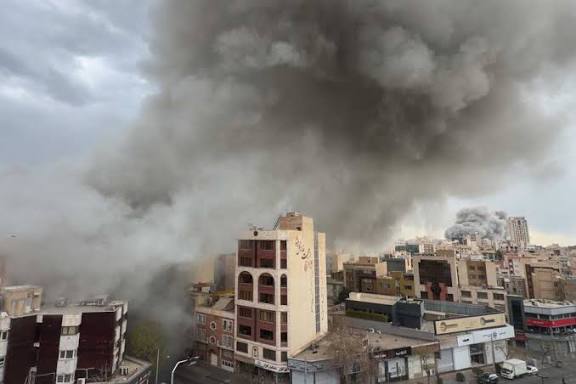
A war between the United States and Iran would have immediate and far-reaching consequences for global oil prices, with Africa facing particularly complex outcomes. Oil markets are highly sensitive to geopolitical instability, especially when tensions involve major powers and a region that accounts for a significant share of the world’s crude production and exports. Even the anticipation of military confrontation can drive prices upward as traders factor in supply risks, insurance costs, and market uncertainty. For African countries—both oil exporters and importers—the implementation of these higher prices would shape inflation, fiscal balances, and broader economic stability.
One of the central channels through which conflict would affect prices is the risk of supply disruption in the Persian Gulf. A key concern is the Strait of Hormuz, a narrow passage through which a large portion of the world’s seaborne oil shipments transit. If hostilities threatened shipping lanes or damaged production infrastructure, even temporarily, global supply could tighten sharply. Oil markets typically respond to such risks by adding a “geopolitical premium” to prices, meaning that crude could surge well beyond levels justified by normal supply and demand fundamentals. This reaction would not require a complete shutdown of exports; uncertainty alone can trigger sustained price volatility.

For oil-exporting African countries such as Nigeria, Angola, and Algeria, higher global prices could initially appear beneficial. Government revenues in these nations depend heavily on crude exports, so a price increase would likely boost foreign exchange earnings and improve fiscal space. With stronger oil receipts, governments might find it easier to fund infrastructure, service debt, or stabilize local currencies. In theory, a sustained price rally could strengthen macroeconomic indicators and restore investor confidence in energy-dependent economies.
However, the benefits are neither automatic nor evenly distributed. Many African producers face structural constraints, including limited refining capacity, aging infrastructure, and production quotas. If output cannot be increased to take advantage of higher prices, revenue gains may be smaller than expected. Moreover, sudden windfalls can create governance challenges, including pressure to expand public spending in ways that are difficult to sustain if prices later fall. Volatility, rather than price levels alone, often presents the greatest risk. If markets swing sharply in response to developments between Washington and Tehran, fiscal planning becomes more complicated, undermining long-term economic stability.
Oil-importing African countries would likely face more immediate and adverse consequences. Nations such as Kenya, Senegal, and many landlocked states rely heavily on imported petroleum products to power transport, electricity generation, and manufacturing. A rise in global crude prices typically translates into higher domestic fuel costs. This increase can ripple through the economy, raising transportation expenses, food prices, and the cost of basic goods. For households, especially in lower-income communities, the effect can be severe, eroding purchasing power and increasing poverty risks.
Inflation is a critical concern in this scenario. When fuel prices climb, central banks may feel compelled to tighten monetary policy to prevent runaway inflation. Higher interest rates, however, can slow investment and economic growth. Governments may attempt to cushion consumers through subsidies, but such measures strain public finances, particularly in countries already facing debt pressures. The implementation of higher oil prices in Africa therefore becomes a delicate balancing act between protecting consumers and maintaining fiscal discipline.
There is also a broader global dimension. Rising oil prices can slow economic growth in major economies, reducing demand for African exports beyond the energy sector. If global trade weakens, African countries dependent on commodity exports or tourism may experience secondary shocks. On the other hand, sustained high prices might accelerate investment in alternative energy sources, including renewables. For Africa, this could present both a challenge to traditional oil producers and an opportunity to diversify energy systems and reduce long-term vulnerability to external price shocks.
A prolonged conflict would likely amplify these dynamics. Short-term price spikes can sometimes stabilize if diplomatic efforts succeed or if alternative suppliers increase production. But an extended war could embed higher prices into global markets, reshaping investment patterns and fiscal strategies worldwide. African policymakers would need to respond proactively, strengthening regional energy cooperation, improving refining capacity, and building financial buffers during periods of high revenue.
In conclusion, a war between the United States and Iran would reverberate through global oil markets, and Africa would feel its impact in diverse and uneven ways. Exporters could benefit from higher revenues, while importers would confront inflation and fiscal strain. The overall outcome would depend on the duration of the conflict, the extent of supply disruption, and the policy responses adopted across the continent. What remains clear is that oil price movements triggered by geopolitical conflict far beyond Africa’s borders would have tangible and immediate implications for its economies and citizens.