By Oke Peter
Nigeria sits in one of the sunniest regions on earth, particularly across its Northern region, yet this natural advantage has not translated into the adoption of concentrated solar power (CSP). The absence of CSP in Nigeria is not due to a lack of potential, but rather a mix of economic, institutional, and technological constraints that have slowed its emergence.
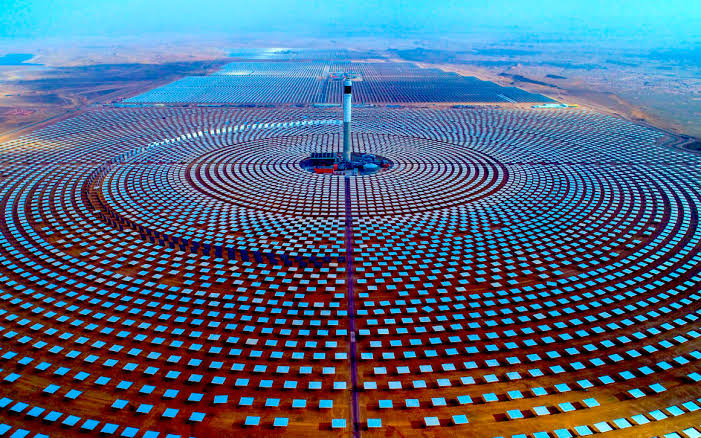
One of the most significant barriers is cost. CSP plants require substantial upfront investment, often running into billions of dollars, especially when thermal storage is included. Even in countries that have successfully deployed CSP, such as Morocco, projects like the Noor Ouarzazate Solar Complex depended heavily on international financing and public-private partnerships to become viable. The complex, with over 500 MW capacity, only materialized through strong government backing and concessional funding from global institutions. Nigeria, by contrast, has struggled to mobilize such coordinated financing for large-scale renewable infrastructure.
Nigeria’s energy sector has historically been dominated by fossil fuels, particularly gas, which remains relatively cheaper in the short term. Without clear long-term policies prioritizing CSP, investors are reluctant to commit to a technology that requires patience and stable regulation. In contrast, Morocco deliberately positioned CSP at the center of its energy strategy, using institutions and long-term planning to de-risk investment. South Africa has similarly integrated CSP into its renewable energy procurement programs, demonstrating how policy direction can shape technological adoption.

CSP plants are most effective when connected to a stable and extensive transmission network capable of distributing large amounts of power. Nigeria’s grid, which is often fragile and underdeveloped, presents a challenge for integrating such large-scale, centralized systems. Additionally, CSP plants typically require water for cooling—an issue in Nigeria’s arid Northern regions unless dry-cooling technologies are adopted, which can further increase costs.
While Nigeria has conducted studies and pilot proposals on CSP, it lacks real-world deployment experience. Countries like Morocco effectively turned early projects into learning platforms, building local expertise and confidence over time. Even so, CSP is not without its challenges; technical issues and high maintenance costs have been reported in some projects, reminding policymakers that the technology requires careful planning and adaptation.
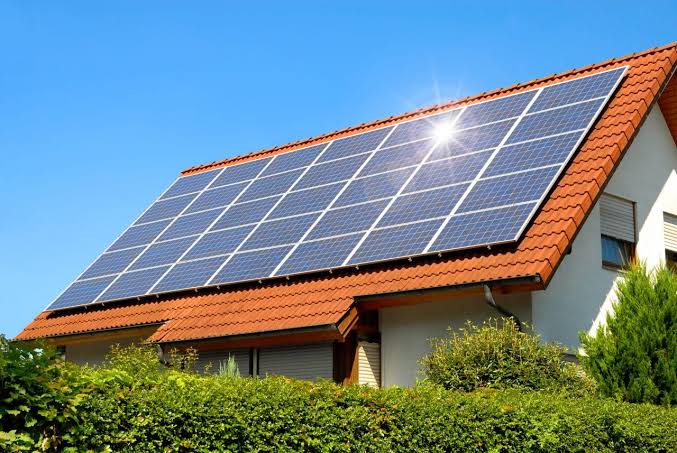
Despite these challenges, the potential benefits of CSP for Nigeria are substantial. Unlike conventional solar photovoltaic (PV) systems, CSP can store heat and generate electricity even after sunset. This ability to provide “dispatchable” power makes it particularly valuable in a country where electricity supply is inconsistent. CSP could complement Nigeria’s existing energy mix by stabilizing supply during peak demand periods, reducing reliance on diesel generators, and improving overall grid reliability.
Furthermore, large-scale CSP projects create jobs during construction and operation, while also encouraging local industries such as manufacturing, engineering, and maintenance services. Morocco’s experience shows that CSP projects can support thousands of jobs and contribute meaningfully to national electricity supply, with the Noor complex powering over a million homes and boosting energy security.
For Nigeria to harness these benefits, government intervention is essential and there must be a clear policy framework that recognizes CSP as part of the long-term energy strategy, not just an experimental technology. Also, Nigeria should actively pursue blended financing models, combining public funds, private investment, and international climate finance to reduce the financial burden. Pilot CSP projects in Northern states could serve as demonstration sites, helping to build technical expertise and investor confidence.

At the same time, CSP should not replace solar PV or other renewables but complement them. Given its higher costs, CSP investments should be strategic, targeting areas where its storage advantage provides the greatest value. Policymakers must also weigh water usage, maintenance demands, and evolving alternatives such as battery storage.
Ultimately, Nigeria’s lack of CSP is not a reflection of weak solar potential but of missed strategic alignment. With deliberate planning, targeted investment, and lessons drawn from countries like Morocco and South Africa, CSP could become a powerful tool in transforming Nigeria’s electricity sector—from one defined by scarcity to one driven by reliability and sustainability.