By Oke Peter
The Transmission Company of Nigeria (TCN) and the African Development Bank (AfDB) have intensified efforts to strengthen Nigeria's electricity network through the adoption of Battery Energy Storage Systems (BESS), a technology expected to enhance grid stability and improve power supply nationwide.
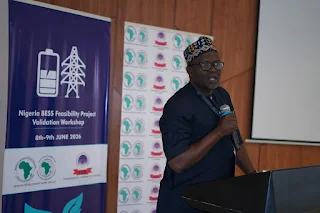
The move came as both organisations convened a two-day Validation Workshop on the Technical Feasibility, Policy and Regulatory Diagnostic Study for the adoption and implementation of grid-connected Battery Energy Storage Systems in Abuja.

Speaking at the workshop, the Managing Director and Chief Executive Officer of TCN, Engr. (Dr.) Sule Ahmed Abdulaziz, urged stakeholders to critically review the study report and contribute meaningfully to discussions to ensure that the final document reflects the realities of Nigeria's power sector.
Represented by the General Manager, Engineering, Engr. Mojeed Akintola, Abdulaziz described the initiative as timely, noting that Nigeria's quest for a more reliable and efficient electricity supply requires innovative solutions.
He said the Battery Energy Storage System project represents a strategic collaboration between TCN and AfDB aimed at tackling grid instability, enhancing operational efficiency and supporting the country's energy transition goals.
"The project is a forward-looking measure designed to strengthen system reliability and improve overall grid performance," he stated.
Also speaking, the Lead Consultant for the project and representative of the African Development Bank, Prof. Tajudeen Humble Sikiru, stressed the importance of a meticulous review of the policy and regulatory documents guiding the initiative.
According to him, the validation process is critical to the success of the project, adding that the future of Nigeria's electricity sector could be significantly influenced by the outcomes of the workshop.
Participants drawn from key power sector institutions, including the Nigerian Electricity Regulatory Commission (NERC), Nigerian Independent System Operator (NISO), Nigerian Electricity Management Services Agency (NEMSA), Rural Electrification Agency (REA), and the Bureau of Public Enterprises (BPE), among others, were divided into three working groups to undertake detailed assessments of the study's findings.
The groups examined assigned sections of the report, identified gaps and inconsistencies, and proposed recommendations aimed at strengthening the technical, policy and regulatory framework for BESS deployment in Nigeria.
The workshop featured extensive deliberations and knowledge-sharing sessions, drawing on the expertise of stakeholders across the electricity value chain.

Deliberations are expected to continue through the second day, culminating in the presentation of consolidated recommendations that will shape the final report and potentially pave the way for large-scale deployment of battery storage technology across Nigeria's power network.
Industry observers say the successful integration of Battery Energy Storage Systems could significantly improve grid resilience, reduce power disruptions and accelerate the country's drive toward a more sustainable and reliable electricity sector.