By Garba Mohammed
The Ministry of Power has dismissed media reports claiming that the Minister of Power, Joseph Olasunkanmi Tegbe, promised to fix Nigeria’s recurring national grid collapse within three months.
In a press release issued on Thursday, the ministry described the reports as “a clear misrepresentation” of Tegbe’s remarks during his Senate screening on May 6, 2026.
According to the ministry’s spokesperson, Adeola Adelabu, Tegbe “made no such commitment” and only stated that efforts to stabilise the grid would begin within his first 100 days in office.
However, a review of the Senate screening transcript shows that while Tegbe did not directly state, “I will fix grid collapse in three months,” he repeatedly tied expectations of progress in the power sector to a three-month timeline.
During the screening, Tegbe told senators:
“My promise to Nigerians and to this chamber is that Nigerians will see visible improvement in the sector. If you don’t see this in three months, it means you won’t see it in six months. So you must see it in three months, and you must hold us accountable for it.”

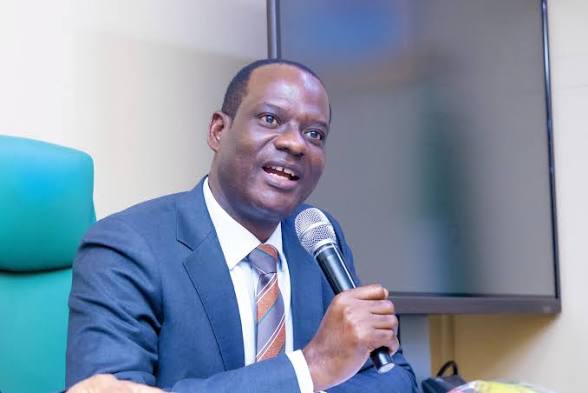
Mr Joseph Tegbe
On the national grid, he added:
“There are questions around grid collapse, and the next phase, in 100 days, is to stabilise that grid.”
Tegbe also spoke on wider reforms, including metering expansion, tariff restructuring, sector liquidity challenges, gas supply constraints, and long-term electricity market sustainability, noting that some of these issues would require extended interventions.
In its rebuttal, the ministry stated that timelines were still being developed and would depend on diagnostics and stakeholder engagement. It also said initial grid stabilisation efforts would commence within the first 100 days, while broader reforms could take up to one year.
However, the statement did not include Tegbe’s stronger remark linking accountability to visible improvements within three months.
Findings
The fact check shows that Tegbe did not explicitly promise to completely end grid collapse within three months, meaning headlines that framed his remarks as a direct pledge to “fix grid collapse in three months” overstated his exact words.
Nevertheless, the transcript confirms that Tegbe clearly set public expectations for noticeable progress within a three-month period and connected his first 100 days in office to efforts aimed at stabilising the national grid.

By omitting Tegbe’s most direct timeline-based remarks, the ministry’s rebuttal offered a softer interpretation of his comments, strengthening the view that its response was potentially misleading.
In summary, while Tegbe did not categorically promise to eliminate grid collapse within three months, he unmistakably promised visible improvements in that timeframe and linked his early tenure to grid stabilisation efforts.