By Kelechi Onwujuba
President Bola Ahmed Tinubu has approved an additional ₦3.3 trillion to settle verified legacy debts owed to electricity generation companies (GenCos), as part of efforts to address liquidity challenges and improve electricity supply across the country.
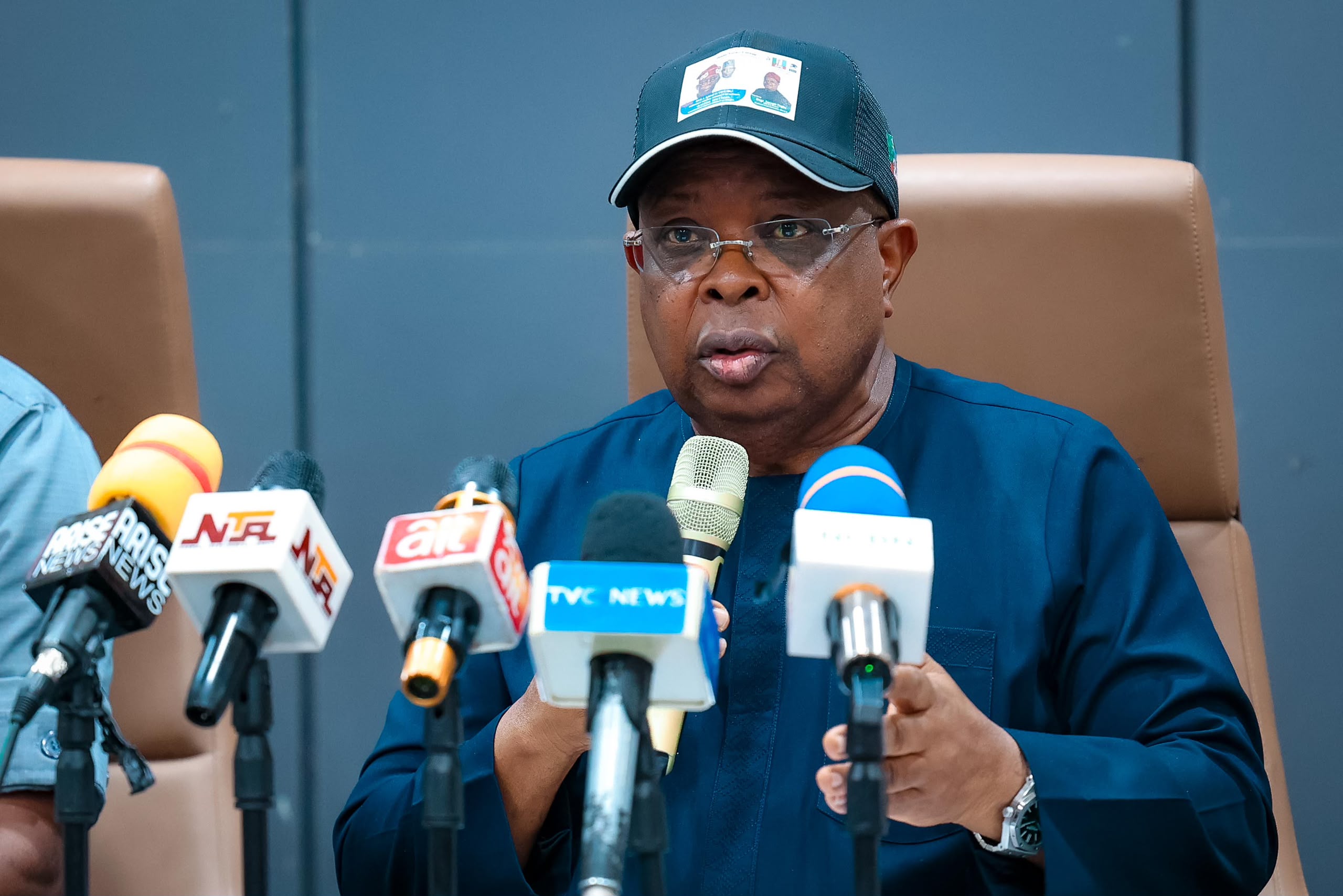
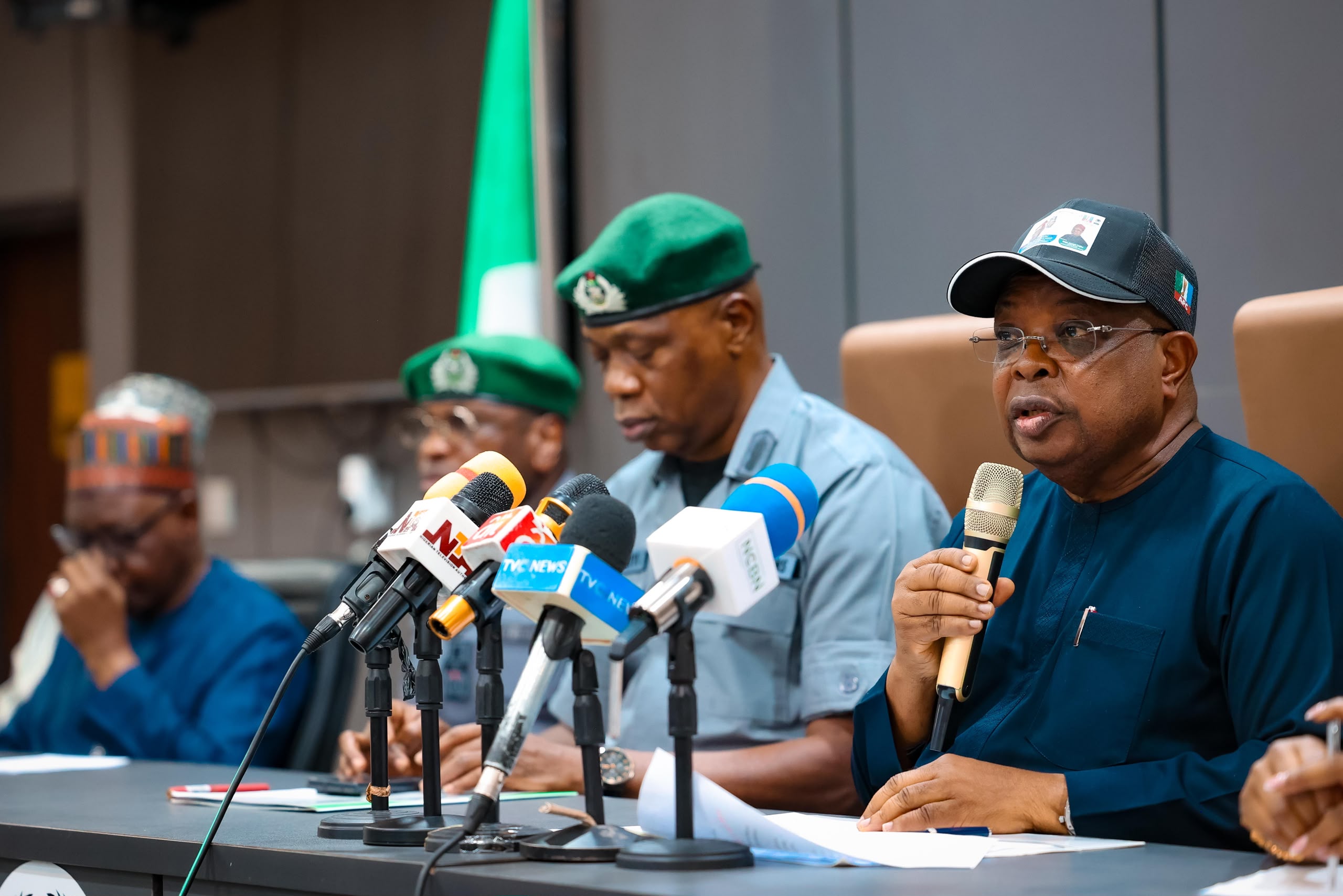
The Minister of Power, Joseph Tegbe, disclosed this while declaring open the 6th Annual Conference of the Power Correspondents Association of Nigeria (PCAN) in Abuja, on Thursday.
Tegbe, who was represented by the Special Adviser to the Minister on Administration and Project, Mr Martins Olajide, said the government had raised ₦1.23 trillion under the debt settlement plan, easing financial pressure on generation companies and strengthening their capacity to pay for gas and maintain power plants.

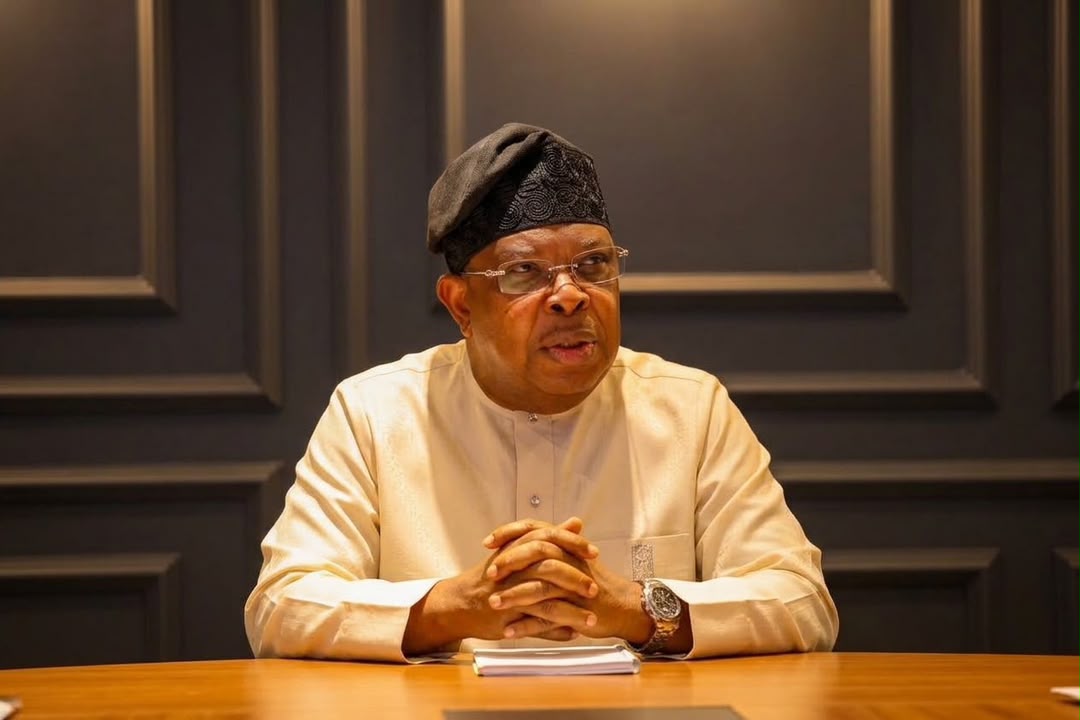
•Power Minister, Joseph Tegbe
He disclosed that more than 2.8 million electricity customers had also been metered under the Presidential Metering Initiative to reduce collection losses.
According to him, additional transmission capacity exceeding 15,000MVA has been added to the national grid between 2023 and October 2026.
He further revealed that newly installed substation equipment commissioned in Kumbotso, Dankata, Mashi, Dan-Agundi, Apapa, Ijora, Ikeja, Biliri and Walalambe, among other locations, had added more than 1,300MVA to Nigeria’s transmission capacity in the last two months.
The minister said the improvements had increased the volume of electricity available to distribution companies for onward supply to industrial and residential consumers.
He also disclosed that the Rural Electrification Agency had connected universities, hospitals and rural communities to solar power, while construction had commenced on a modern National Grid Control Centre in Osogbo to replace the existing facility, which is over 60 years old.
On infrastructure protection, Tegbe described vandalism as a major threat to the electricity industry, disclosing that President Tinubu had approved a coordinated anti-vandalism campaign involving security agencies and a strengthened legal framework to protect critical power infrastructure.
He said the Federal Government had developed a four-pronged roadmap covering grid stabilisation, sector liquidity and sustainability, asset optimisation, and grid expansion and enhancement.
Central to the strategy, he explained, is a corridor-based approach targeting major economic centres for reliable, round-the-clock electricity supply.
The priority corridors include Lagos-Ogun, Benin-Enugu-Port Harcourt, and Abuja-Kaduna-Kano.
He added that the Lagos-Ogun axis and Abuja franchise area account for over 50 per cent of national electricity demand and would serve as pilot locations for proposed 24-hour energy zones, subject to technical readiness and commercial viability.
Earlier, PCAN Chairman, Obas Esiedesa, expressed concern over the decline in electricity generation over the past eight months, attributing part of the challenge to reduced water inflows into hydroelectric power stations and persistent gas supply constraints affecting thermal plants.
He called for stronger collaboration among government, regulators, generation companies and gas suppliers to guarantee adequate gas feedstock, particularly during the November-to-March period when hydropower generation traditionally declines.
Esiedesa also identified inadequate transmission and distribution infrastructure, liquidity constraints, investment gaps, regulatory uncertainties and operational inefficiencies as major challenges requiring urgent attention.
He stressed the need for sustainable interventions across the electricity value chain to achieve reliable power supply and support Nigeria’s economic growth.