By Oke Peter
When President Bola Ahmed Tinubu assumed office in May 2023, Nigeria's electricity sector was burdened by mounting debt, weak infrastructure, inadequate investment and chronic power shortages. Three years later, the sector has undergone some of its most ambitious reforms in over a decade, yet many Nigerians are still asking a simple question: where is the stable electricity?
The story of Tinubu's first three years in the power sector is one of bold reforms, difficult economic decisions and enduring challenges.
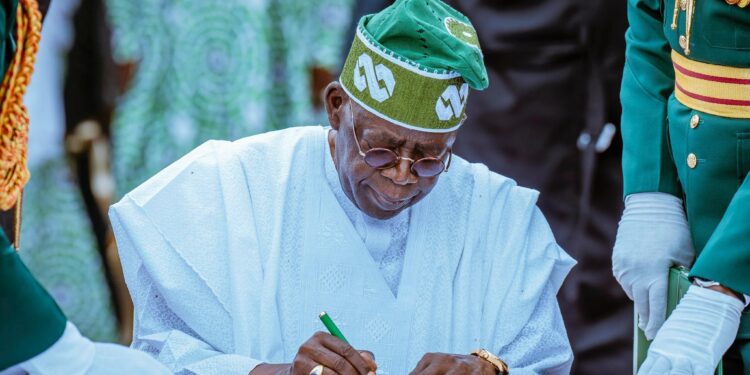
One of the administration's most significant achievements was the signing of the Electricity Act 2023, a landmark legislation that decentralised the electricity market and empowered states to generate, transmit and distribute electricity within their territories. The law ended decades of near-total federal control and opened the door for the emergence of state-level electricity markets.

•President Bola Tinubu
Industry stakeholders widely regard the Act as one of the most consequential power sector reforms in recent history. Since its enactment, several states have begun establishing electricity regulatory agencies and developing independent power initiatives aimed at attracting private investment.
Another major policy shift was the government's move toward cost-reflective electricity tariffs. In April 2024, the Nigerian Electricity Regulatory Commission (NERC) approved a substantial tariff increase for Band A customers, who are expected to receive a minimum of 20 hours of electricity supply daily. The decision was intended to reduce the enormous subsidy burden on public finances and improve liquidity across the power value chain.
According to the then Minister of Power Adebayo Adelabu, the Band A tariff reform helped reduce projected electricity subsidy obligations from nearly ₦3 trillion to about ₦1 trillion.
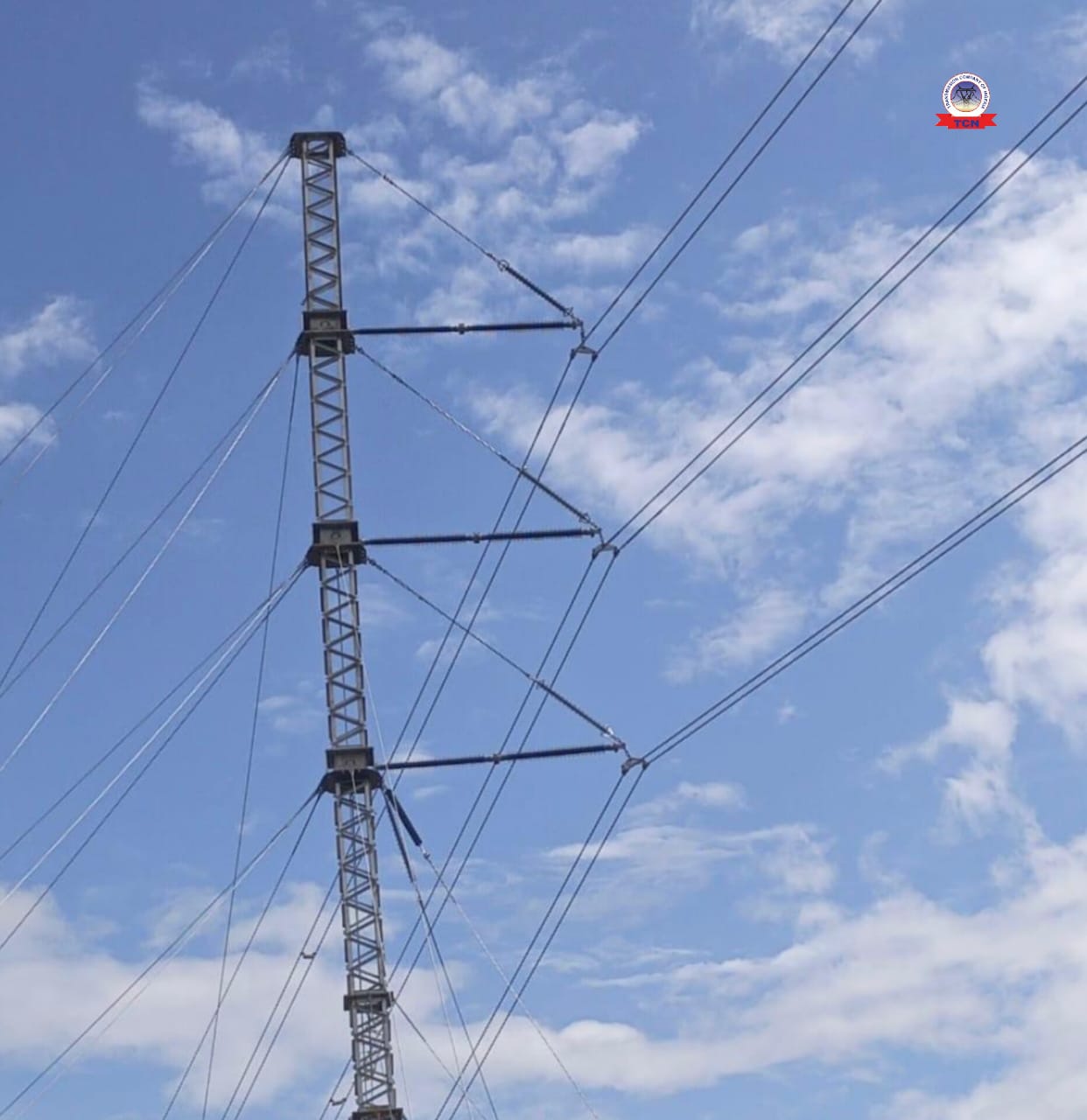
The administration also prioritised efforts to address longstanding debts owed to generation companies and gas suppliers. President Tinubu recently disclosed that the government was working to clear more than ₦4 trillion in power sector liabilities while expanding transmission infrastructure and improving electricity supply nationwide.

Despite these reforms, however, the sector continues to grapple with serious challenges.
Nigeria still struggles to provide reliable electricity to homes and businesses. Although power generation has recorded periodic improvements, supply remains inconsistent across many parts of the country. Frequent grid disturbances, inadequate transmission infrastructure and persistent liquidity constraints continue to undermine progress.
Perhaps the most controversial aspect of the Tinubu administration's power policy has been the implementation of the Band A tariff regime. While the government argues that customers paying higher tariffs should receive better service and that subsidies are fiscally unsustainable, many consumers contend that they are paying significantly more without receiving the promised hours of electricity.
Reports from consumer groups and electricity users indicate widespread dissatisfaction with service delivery under the tariff structure. Several Band A customers have reported prolonged outages despite paying premium rates.
The subsidy challenge has also proven difficult to overcome. NERC data indicates that the Federal Government incurred electricity subsidy obligations of approximately ₦1.94 trillion in 2024 because tariffs remained below cost-reflective levels for most consumers.
For Kunle Olubiyo, President of the Nigeria Consumer Protection Network, the decentralisation of the electricity market remains one of the administration's strongest accomplishments.
"The decision to allow states to participate more actively in electricity regulation and supply is a positive development. It creates opportunities for competition and investment," Olubiyo said, while noting that consumer protection must remain a priority as reforms continue.
However, power sector analyst and energy economist Ayodele Oni believes that reforms must be accompanied by tangible improvements in service delivery.
"Tariff reforms may be necessary for sustainability, but consumers expect corresponding improvements in supply. The sector cannot continue asking customers to pay more while service quality remains poor," he said.
Many businesses remain heavily dependent on diesel and petrol generators despite the tariff increases. Manufacturers and small enterprises continue to cite unreliable grid electricity as one of their most significant operational challenges.
The Tinubu administration maintains that these reforms are laying the foundation for long-term stability. Government officials argue that decades of underinvestment and politically driven subsidies created distortions that could no longer be sustained. The reforms, they say, are designed to attract investment, strengthen sector finances and ultimately deliver more reliable electricity.

There is some evidence to support that argument. Investor interest in power infrastructure has increased, state governments are becoming more active participants in the sector, and discussions around embedded generation, mini-grids and renewable energy solutions are gaining momentum.
Still, for millions of Nigerians, electricity remains a daily struggle. The success of the administration's power reforms will ultimately be judged not by legislation or policy announcements, but by whether households and businesses receive consistent, affordable and reliable electricity.
Three years into President Tinubu's tenure, Nigeria's power sector stands at a crossroads. The foundations for reform have been laid, and difficult decisions have been made. Yet until those reforms translate into stable and dependable electricity supply across the country, many Nigerians will continue to regard the sector as a work in progress rather than a success story.