By Oke Peter
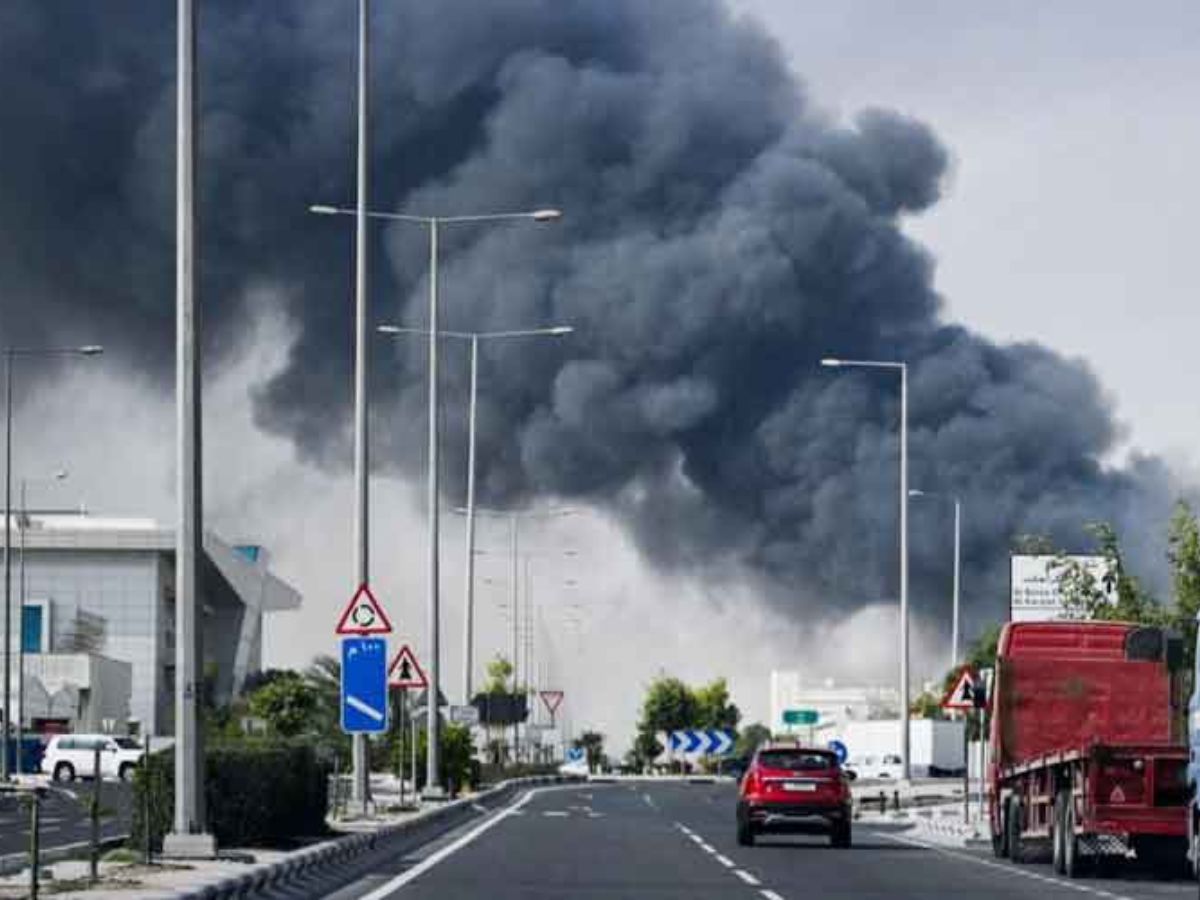
The recent strike on Qatar’s Ras Laffan industrial complex has raised understandable concern across global energy markets, but a measured view is essential. Ras Laffan is widely regarded as the world’s largest liquefied natural gas (LNG) export hub, and damage there is significant. Current verified estimates suggest that about 17% of Qatar’s LNG export capacity has been taken offline, with full repairs potentially requiring three to five years. This is not a complete shutdown, but it is large enough to tighten global supply.
Qatar plays a central role in the LNG market, supplying roughly 18–20% of global LNG exports in recent years. A disruption of this scale could remove an estimated 12–13 million tonnes per year from global supply. In a market that is already tightly balanced, this creates immediate pressure. Early reactions show rising gas prices in Europe and Asia, with increases ranging from 20% to over 50% in some trading windows. Oil prices have also climbed due to fears that instability could spread across the Gulf, a region responsible for a substantial share of global energy exports.

If the attacks continue, the consequences could become more severe. LNG supply chains are not easily replaced. Major exporters like the United States and Australia are already operating near capacity, limiting their ability to quickly fill the gap. Prolonged disruption could lead to sustained high prices, increased competition between importing regions, and potential supply shortages in more vulnerable economies. In extreme cases, countries may be forced to ration gas or switch to alternative fuels such as coal or diesel, which are often more expensive or environmentally harmful.
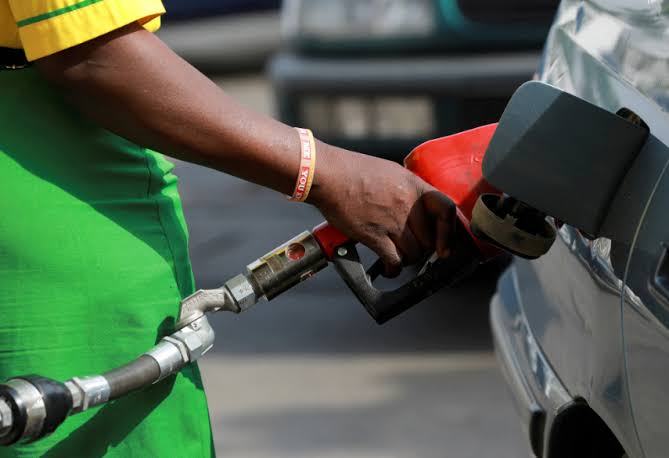
For the general public, the most immediate impact will be felt through higher cooking gas and electricity costs. LNG is closely linked to liquefied petroleum gas (LPG), commonly used for cooking in homes. When global gas prices rise, LPG prices tend to follow. In import-dependent countries, especially across Africa and parts of Asia, this could translate into noticeable increases in the cost of gas cylinders. Households may need to adjust spending, while small businesses that rely on gas—such as food vendors and local manufacturers—could face higher operating costs.
The commercial gas market will also experience strain. Industries such as power generation, fertilizers, and manufacturing depend heavily on stable and affordable gas supplies. Rising prices may lead to reduced production, higher costs of goods, and broader inflationary pressure. Energy-intensive sectors are often the first to scale back operations when gas becomes expensive, which can have knock-on effects on employment and economic growth.
This incident is part of a broader pattern of attacks on energy infrastructure in the Middle East. Earlier in 2026, Iran’s South Pars gas field—one of the largest in the world—was targeted, disrupting part of its production. Around the same period, missile and drone strikes affected facilities in Qatar, Saudi Arabia, the United Arab Emirates, and Kuwait, causing fires and temporary shutdowns. These developments reflect a shift in conflict dynamics, where energy infrastructure is increasingly seen as a strategic target.
There is historical precedent for such disruptions. The 2019 attacks on Saudi oil facilities temporarily removed about 5% of global oil supply, causing a sharp but short-lived price spike. More recently, the Russia–Ukraine conflict demonstrated how quickly gas markets can tighten when major suppliers are disrupted. In each case, markets eventually stabilized, but not without economic consequences.
Despite the seriousness of the current situation, there are reasons to remain calm. Global energy systems are resilient and adaptable. Strategic reserves, alternative suppliers, and demand adjustments can help absorb shocks over time. Not all of Qatar’s LNG capacity has been lost, and partial recovery could occur sooner than worst-case estimates. Additionally, higher prices tend to reduce demand and encourage new supply, which can gradually restore balance.
The key factor will be how long the disruption lasts. A short-term interruption will likely result in temporary price increases and manageable supply adjustments. However, a prolonged series of attacks could reshape global LNG trade, sustain high energy costs, and place greater pressure on households and industries worldwide.
For now, the situation calls for careful monitoring rather than alarm. While the strike on Ras Laffan is a serious development, it is one element in a complex global energy system that has repeatedly shown its ability to adjust and recover.