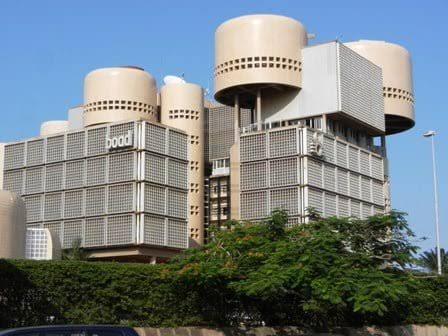
KIGALI, Rwanda – To help boost local currency financing, private sector growth, and job creation across the West African Economic and Monetary Union (WAEMU), the West African Development Bank (BOAD) and the International Finance Corporation (IFC), a member of the World Bank Group, today announced the signing of two reciprocal financing facilities for an aggregate amount of up to EUR 600 million in euro (EUR) and West African CFA franc (XOF).
Under the partnership, signed on the sidelines of the Africa CEO Forum in Kigali, IFC will provide BOAD with long-term EUR funding to help the bank expand lending across energy, agribusiness, transport, urban development, and MSMEs across the WAEMU, in line with BOAD’s 2026-2030 Strategic plan “Djoliba….La suite”. In return, BOAD will provide IFC with a flexible XOF facility to support cost-efficient, long-term local currency financing for high-impact, job-creating projects in the region.

This large-scale operation, supported by Galite, BOAD’s structuring advisor, aims to institutionalize local currency financing as a cornerstone of regional development in West Africa
“This landmark transaction with BOAD represents IFC’s first-ever reciprocal facility between development finance institutions and will support the expansion of BOAD’s private-sector lending across WAEMU. It will also broaden IFC’s sources of long-term local-currency financing at competitive cost, benefiting projects while advancing regional growth and job creation. Above all, it underscores the strength of our partnership and our shared capacity to deliver effective financial solutions at scale in support of IFC’s 2030 ambitions,” said Makhtar Diop, IFC’s Managing Director.
“Strengthening access to long-term local currency financing is a core priority of the “Djoliba…La suite” 2026–2030 Strategic Plan. Our collaboration with IFC enhances our capacity to serve the private sector across all eight member states. This operation reflects our shared ambition to deepen cooperation between development finance institutions to support sustainable and inclusive growth in West Africa,” said Serge Ekué, President of BOAD.
In the WAEMU region, bank lending remains predominantly short-term, limiting the availability of long-term financing for infrastructure and other key transformational investments in various sectors. As most private sector borrowers generate revenues in XOF, local-currency financing is essential to mitigate foreign-exchange risk.
By optimizing resource mobilization, this reciprocal structure aligns the long-term objectives of both institutions with WAEMU’s financing needs. It will deepen local markets by strengthening the XOF market and expanding diversified, resilient funding options for West African companies, while also supporting macroeconomic resilience by helping preserve the stability of foreign-exchange reserves across the WAEMU region.
IFC and BOAD have a strong track record of collaboration in the WAEMU region, including joint financing in key growth sectors such as housing, MSME finance, digital, and infrastructure.