
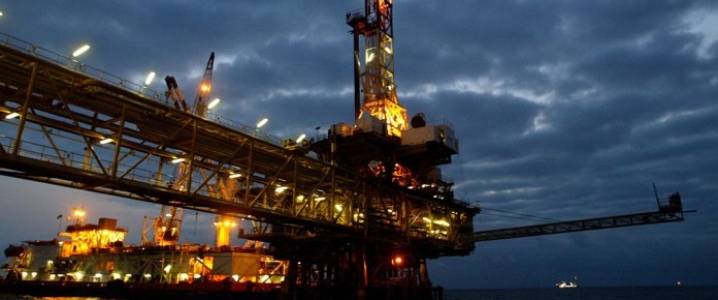




Nigeria’s oil and gas sector in 2026 stands at an important crossroads, shaped by reforms, infrastructure expansion, security improvements and a gradual shift toward sustainability. For investors, the industry offers a mix of traditional hydrocarbon opportunities and newer gas-driven and downstream prospects that reflect both global energy realities and domestic economic needs. While challenges remain, the overall outlook is cautiously optimistic for those prepared to engage with the market in a well-informed and strategic manner.
Investment opportunities across the sector are becoming more diverse than in previous decades. Upstream oil production remains a core attraction, particularly in marginal fields and divested onshore assets now operated by indigenous companies. These assets often come with lower entry costs and faster development timelines, allowing investors to benefit from existing infrastructure and proven reserves. In parallel, natural gas has emerged as one of the most promising investment areas. Nigeria holds one of the largest gas reserves in the world, and government policy increasingly favors gas development for power generation, industrial use, liquefied petroleum gas distribution, and export markets. Gas processing plants, pipelines, compressed natural gas facilities, and liquefied natural gas projects are all areas where capital demand is rising.
However, the expansion of domestic refining capacity, led by large-scale private refineries and modular refining projects, is transforming Nigeria from a fuel-import-dependent country into a potential regional supplier. Opportunities extend beyond refining into storage facilities, depots, transportation, petrochemicals and distribution networks. These segments benefit from strong domestic demand, population growth, and reduced exposure to crude price volatility compared to upstream operations.
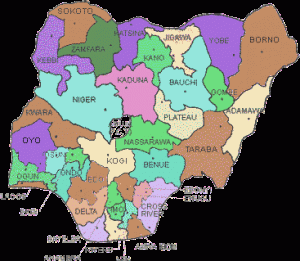
Geographically, investment activity remains concentrated in specific regions, each with distinct characteristics. The Niger Delta continues to host most oil and gas production, including Rivers, Bayelsa, Delta and Akwa Ibom States. Offshore developments in deep and shallow waters are particularly attractive due to lower exposure to community disruptions and theft. Gas infrastructure is increasingly extending northward through major pipeline corridors, opening up industrial and power generation opportunities in states such as Kogi, Kaduna and Kano. Lagos and Ogun States remain critical hubs for downstream and gas-based industrial investments due to proximity to ports, markets and manufacturing clusters.
Road accessibility and transport infrastructure, long considered a weakness, are gradually improving. Federal and state governments have prioritised key access roads to energy installations, industrial zones and export terminals. While some producing areas still rely on waterways and pipelines rather than roads, improved evacuation routes are reducing delays and losses. Investors increasingly factor logistics planning into project design, combining road, pipeline and marine transport to manage costs and operational risks effectively.
Sustainability is becoming a central consideration in Nigeria’s oil and gas investment environment. There is growing emphasis on reducing gas flaring, improving environmental compliance and supporting cleaner fuel alternatives. Gas-focused projects align with Nigeria’s energy transition goals and are often viewed more favourably by financiers concerned with environmental and social standards. Investments that incorporate emissions reduction technologies, community development programmes and responsible resource management are more likely to gain regulatory and social acceptance, which in turn improves long-term profitability and project stability.
Security remains one of the most sensitive issues influencing investment decisions. Oil theft, pipeline vandalism and community unrest have historically affected onshore operations, particularly in parts of the Niger Delta. However, our findings revealed recent improvements in surveillance, enforcement and community engagement have contributed to better production stability. Offshore projects and well-secured industrial zones generally face fewer security challenges, making them attractive to risk-averse investors. Even so, security costs and contingency planning remain essential components of any serious investment strategy in the sector.
From a profitability perspective, returns in 2026 are expected to vary by segment. Upstream oil investments can be highly profitable when managed efficiently, especially in assets with existing infrastructure, though they remain sensitive to global price fluctuations and operational risks. Gas projects tend to offer more stable, long-term returns, supported by domestic demand for power and industrial energy. Downstream and midstream investments often provide steadier cash flows, benefiting from volume-driven margins and reduced exposure to international market shocks. Overall profitability is increasingly linked to operational efficiency, regulatory compliance and the ability to adapt to market and policy changes.
In conclusion, Nigeria’s oil and gas investment prospects in 2026 reflect a sector in transition rather than decline. The combination of regulatory reform, expanding gas utilisation, growing downstream capacity and gradual infrastructure improvements creates meaningful opportunities for investors with realistic expectations and long-term perspectives. While security, regulatory clarity and global energy trends continue to pose challenges, the sector remains a vital pillar of Nigeria’s economy and a potentially rewarding destination for capital. For investors who balance opportunity with risk management and sustainability, Nigeria’s oil and gas industry in 2026 offers not just survival, but the possibility of sustained growth and value creation.