



By Oke Peter
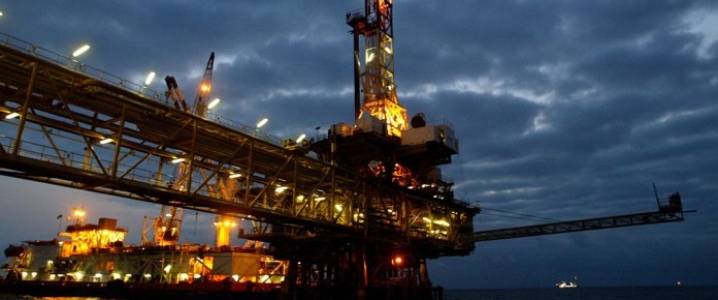
The oil and gas sector in Africa in 2026 is expected to be steady but under pressure. Energy stakeholders across the continent describe the outlook as one of cautious stability rather than rapid growth. Africa remains a key supplier of oil and gas to global markets, yet internal structural challenges and external market forces will strongly shape performance in 2026.
Africa’s total oil and gas production is projected to remain around 11 million barrels of oil equivalent per day, driven mainly by established producers such as Nigeria, Algeria, Libya, Angola and Egypt. While new discoveries in countries like Namibia, Senegal and Côte d’Ivoire have raised expectations, most stakeholders agree that large-scale production from these frontier areas will take time. As a result, 2026 will rely heavily on existing fields, many of which are mature and require sustained investment just to maintain output.
Oil prices will be one of the most important factors influencing the sector. Forecasts from global energy analysts suggest that crude oil prices in 2026 may remain moderate, with Brent crude expected to trade in a relatively restrained range compared to the highs seen earlier in the decade. This is largely due to balanced or oversupplied global markets, slower demand growth in major economies, and increased production from both OPEC+ and non-OPEC producers. For African countries that depend heavily on oil revenue to fund national budgets, moderate prices mean tighter fiscal space and less room for ambitious new projects.

Foreign exchange conditions will also play a major role. Many African oil and gas operations depend on imported equipment, technology and services priced in U.S. dollars. In countries facing forex shortages or weak local currencies, costs are rising and project timelines are being stretched. Industry operators note that even when oil prices are relatively stable, limited access to foreign exchange can delay drilling programs, maintenance work and infrastructure development. This is particularly evident in economies where currency reforms are still ongoing or reserves remain under pressure.
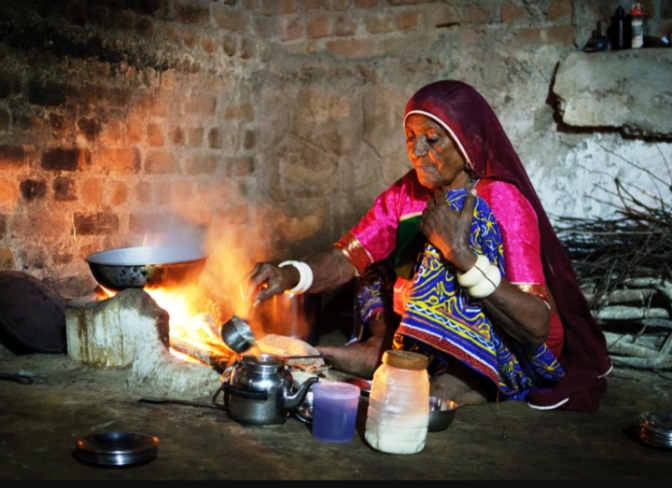
Global oil demand growth is slowing as energy efficiency improves and some regions accelerate the transition to cleaner energy. However, Africa’s domestic demand for energy continues to grow due to population increase, urbanization and industrial needs. Natural gas is expected to benefit most from this trend. Many stakeholders see gas as Africa’s most realistic growth opportunity in 2026, especially for power generation, industrial use and liquefied natural gas exports. Still, turning gas resources into revenue depends on pipelines, processing plants and export facilities that are not yet fully in place in many countries.

Although several African governments have introduced reforms to make their oil and gas sectors more attractive to investors, implementation remains uneven. Lengthy approval processes, overlapping regulatory agencies, and uncertainty around fiscal terms continue to slow investment decisions. Energy executives frequently point out that clear laws alone are not enough; efficient institutions and predictable enforcement are just as important. Without further improvements, Africa risks losing investment to regions with simpler and faster regulatory systems.
Infrastructure gaps continue to limit value creation. Inadequate pipelines, storage facilities, refineries and export terminals raise costs and reduce efficiency. Africa still exports a large share of its crude oil while importing refined petroleum products, exposing economies to price shocks and forex losses. Stakeholders argue that 2026 should be a year of stronger focus on infrastructure development, especially modular refineries, gas processing plants and regional pipeline networks, to capture more value locally.
External factors will remain influential, especially decisions by OPEC. Several African producers are members of OPEC and are directly affected by production quotas and collective supply decisions. When OPEC adjusts output to influence global prices, African countries must comply, even when they urgently need higher production to support government revenues. This dependence on external coordination limits policy flexibility and adds uncertainty to national planning. In 2026, continued OPEC intervention to manage global supply is expected to keep prices under control but may also restrict revenue growth for some African exporters.
Geopolitical tensions, global inflation trends and interest rates will also shape investment flows into Africa’s oil and gas sector. Higher global interest rates increase the cost of financing large energy projects, while geopolitical instability can shift investor attention away from higher-risk regions. Stakeholders note that Africa must compete more aggressively for capital by offering stable policies, competitive fiscal terms and improved security for assets and personnel.
In practical terms, energy stakeholders expect 2026 to be a year of consolidation. National oil companies are likely to play a stronger role, often partnering with international firms on selective projects rather than broad expansion. Mergers, asset sales and joint ventures are expected to increase as companies seek efficiency and scale. Exploration will continue, but with a stronger focus on commercially viable prospects rather than high-risk drilling.
Overall, Africa’s oil and gas sector in 2026 will not be defined by dramatic expansion, but by careful management of resources under challenging conditions. Moderate oil prices, forex constraints, regulatory delays and external pressures such as OPEC decisions will test both governments and operators. At the same time, steady demand growth, especially for gas, and gradual policy improvements provide a foundation for resilience. Stakeholders agree that success in 2026 will depend less on how much oil Africa has, and more on how well it manages policy, investment, infrastructure and global market realities.