



By Oke Peter
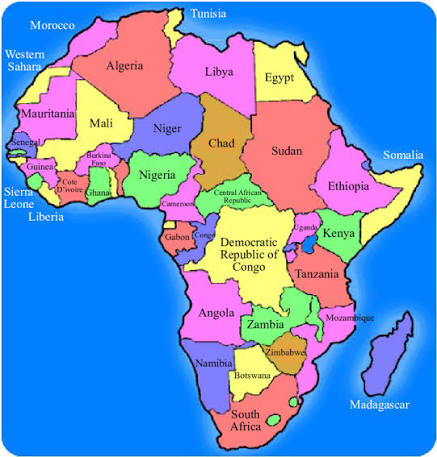
Africa’s oil and gas sector remains a strategic frontier for global energy capital, particularly as investors seek jurisdictions with predictable legal frameworks, transparent licensing processes, and resilient project portfolios that can withstand global energy transition pressures. While several African producers have made meaningful progress in reforming their hydrocarbons sectors, Nigeria continues to stand out as the continent’s most established and influential investment destination, setting the benchmark against which others are measured.
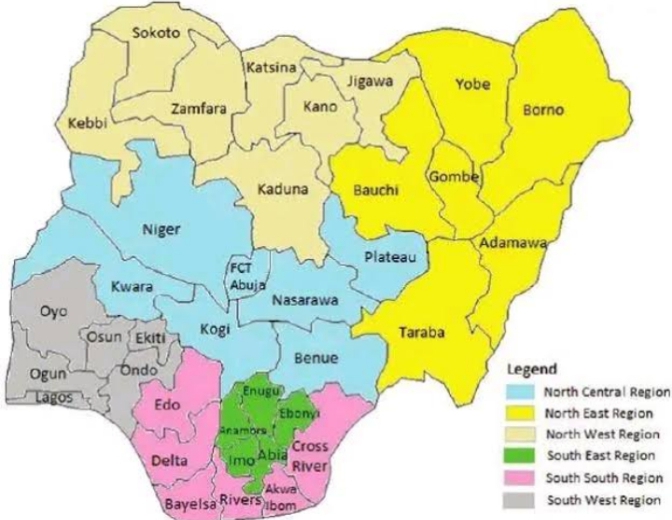
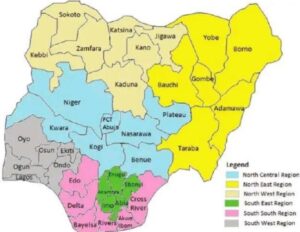
Nigeria remains Africa’s largest and most active oil and gas market, distinguished by the scale of its reserves, the depth of its infrastructure, and the breadth of recent regulatory reform. The enactment of the Petroleum Industry Act (PIA) fundamentally reshaped the sector by unbundling regulatory roles, improving fiscal clarity, and introducing investor-friendly incentives across upstream, midstream, and downstream activities. A defining feature of the PIA is the creation of a legally enforceable Host Community Development Trust, which institutionalizes community participation and benefit-sharing and addresses one of the sector’s long-standing investment risks. These reforms have supported more than $17 billion in foreign direct investment commitments in recent years and reinforced Nigeria’s status as Africa’s leading energy investment hub. Deepwater licensing rounds have attracted global majors such as TotalEnergies, Shell, and South Atlantic Petroleum, demonstrating sustained confidence in Nigeria’s contractual and geological fundamentals. Although foreign exchange volatility has historically challenged investors, recent reforms—combined with expanding domestic refining and processing capacity, most notably the Dangote Refinery—are improving pricing transparency, reducing import dependence, and strengthening foreign currency earnings from petroleum exports. Together, regulatory certainty, large-scale projects, and structured host community engagement position Nigeria as the anchor of Africa’s oil and gas investment landscape.
Angola follows closely as one of Sub-Saharan Africa’s most attractive oil and gas jurisdictions, particularly in deepwater exploration and production. Comprehensive regulatory reforms have enhanced transparency and competitiveness, culminating in a structured six-year licensing round and an upstream investment pipeline exceeding $60 billion. High-profile commitments, such as Azule Energy’s planned $5 billion investment over five years, reflect investor confidence in Angola’s stable contractual framework and long-term production outlook. Angola’s petroleum-specific foreign exchange regime allows a degree of operational flexibility for investors while supporting domestic financial liquidity. Host community engagement is reinforced through strict local content requirements that prioritize training, employment, and supplier development, ensuring broader participation in the value chain. Beyond upstream extraction, projects such as Angola LNG and the planned Lobito Oil Refinery illustrate a strategic push toward value addition and regional energy integration.
Egypt stands out as North Africa’s most diversified oil and gas investment destination, combining mature oil production with rapidly expanding natural gas development and export infrastructure. The country’s regulatory framework is well established, with upstream investments structured through joint ventures with state entities and awarded via transparent bid rounds managed by the Ministry of Petroleum and Mineral Resources, EGPC, and EGAS. Continued multi-billion-dollar commitments from international companies, including BP, Shell, and Eni, underscore Egypt’s enduring appeal despite broader macroeconomic constraints. Investment laws and tax incentives support long-term capital inflows, while foreign exchange challenges are being addressed through wider economic reforms linked to currency flexibility. Host community and environmental obligations are embedded in petroleum contracts, particularly for onshore operations, ensuring local employment, social investment, and compliance with environmental standards.
Ghana has earned a reputation as a stable and investor-friendly oil and gas market in West Africa, underpinned by strong institutions and consistent policy application. Oversight by the Ghana Investment Promotion Centre and a balanced fiscal regime have enabled successful offshore developments such as the Jubilee and TEN fields. Transparent licensing processes and profit-sharing arrangements have sustained production levels and attracted follow-on investments. Ghana maintains a generally open foreign exchange regime that allows profit repatriation, subject to central bank regulations. While smaller in scale than Nigeria or Angola, Ghana’s integration into regional gas infrastructure, including the West African Gas Pipeline, and its structured stakeholder engagement approach have helped minimize community disputes and support local participation.

Mozambique represents one of Africa’s most significant long-term gas investment opportunities. Vast offshore discoveries in the Rovuma Basin have driven multi-billion-dollar LNG projects led by major international energy companies. These developments operate under production-sharing agreements supported by a legal framework that balances investor rights with state participation, community investment, and environmental safeguards. Mozambique’s competitive fiscal terms and focus on gas monetization position it as a future LNG export powerhouse. Although host community frameworks are still evolving, large-scale infrastructure commitments associated with LNG projects are generating employment, skills transfer, and broader economic spillovers.
In sum, Nigeria, Angola, Egypt, Ghana, and Mozambique represent Africa’s most investment-friendly oil and gas destinations, each offering relatively stable regulatory regimes, credible host community frameworks, and demonstrable success stories. Nigeria clearly leads in scale, reform depth, and investment momentum, anchoring the continent’s hydrocarbons sector. Angola complements this leadership with deepwater strength, Egypt provides diversification and export infrastructure, Ghana offers stability and governance, and Mozambique defines the future of African LNG. Despite ongoing challenges related to foreign exchange management, community expectations, and the global energy transition, these five countries collectively offer the most credible platforms for sustained, long-term investment in Africa’s oil and gas industry.
