By Oke Peter
Nigeria’s electricity sector is supported by a number of government institutions and market operators that play different roles in ensuring power is generated, transmitted, regulated, and delivered to consumers. Many Nigerians interact daily with electricity through distribution companies, but the industry is broader than billing and supply. From policy formulation to grid management and rural electrification, these agencies form the backbone of the Nigerian Electricity Supply Industry (NESI), and understanding their responsibilities helps the public know who is accountable for what.
Federal Ministry of Power
The Federal Ministry of Power provides overall policy direction for the electricity sector. The ministry coordinates government programmes, oversees sector reforms, and works with other ministries and agencies to implement national power development plans. While it does not regulate tariffs or directly manage electricity supply, it plays a key role in shaping national electricity priorities and government interventions.

Nigerian Electricity Regulatory Commission
The Nigerian Electricity Regulatory Commission (NERC) is the primary regulator of the sector. NERC is responsible for issuing licenses to operators, approving tariffs, enforcing compliance with industry rules, and protecting consumer rights. It also monitors the performance of electricity distribution companies, generation companies, and other market participants, ensuring that operators meet required service standards and obligations. When Nigerians complain about estimated billing, metering challenges, or tariff reviews, NERC is the key institution that sets the rules and enforces accountability.

Transmission Company of Nigeria
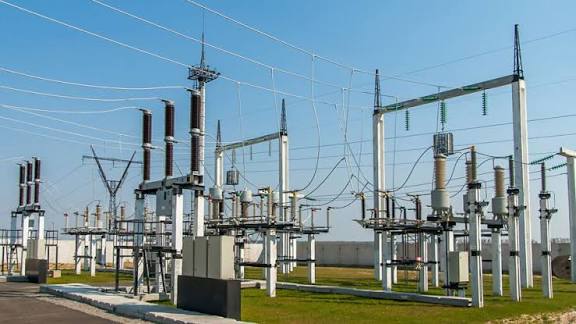
The Transmission Company of Nigeria (TCN) plays a major role in transporting electricity through the national grid before it reaches homes and businesses. TCN manages and maintains the high-voltage transmission infrastructure, including transmission lines and substations. Its job is to move power from generation stations to distribution networks across the country. Transmission is a critical link in the electricity value chain, and weaknesses in the grid often affect supply stability nationwide.

Nigerian Independent System Operator
The Nigerian Independent System Operator (NISO) is responsible for managing the technical operation of the national grid. NISO ensures that electricity supply is balanced with demand, coordinates the dispatch of electricity from power plants, and maintains grid stability through frequency and system control. In practical terms, NISO functions as the “control room” of the national power system, ensuring that power generation is properly scheduled and that the grid remains stable.

Nigerian Bulk Electricity Trading Plc
The Nigerian Bulk Electricity Trading Plc (NBET) serves as the bulk trader in the electricity market. NBET buys electricity in bulk from generation companies through Power Purchase Agreements and resells it to distribution companies. Its role was created to reduce financial risk in the power market and provide some level of payment assurance to generating companies, especially during the transitional phase of Nigeria’s power sector reform.

Rural Electrification Agency
The Rural Electrification Agency (REA) focuses on expanding electricity access to rural and underserved communities. REA drives off-grid and mini-grid projects, solar electrification initiatives, and interventions targeted at schools, healthcare centres, markets, and remote communities. Through partnerships with private developers and donor-backed programmes, REA has become one of the key agencies supporting renewable energy growth and improving access to electricity beyond the national grid.

Niger Delta Power Holding Company
The Niger Delta Power Holding Company (NDPHC) is a major government-owned power sector player that manages assets under the National Integrated Power Project (NIPP), including several power generation plants and related infrastructure. The NIPP initiative was designed to boost Nigeria’s generation capacity and strengthen the transmission and distribution network. NDPHC therefore contributes to national supply by maintaining and improving these government-owned power assets.

Nigerian Electricity Management Services Agency
The Nigerian Electricity Management Services Agency (NEMSA) is responsible for safety and technical compliance across the sector. NEMSA inspects, tests, and certifies electrical installations and equipment, ensuring that electricity infrastructure meets required technical standards. Its work helps reduce accidents, equipment failures, and unsafe practices in electricity projects, especially across transmission and distribution systems.

National Power Training Institute of Nigeria
The National Power Training Institute of Nigeria (NAPTIN) supports capacity development in the power sector by providing training for engineers, technicians, and other sector professionals. With the technical nature of electricity operations, training remains vital for improving workforce competence and strengthening service delivery across the industry.

Nigerian Electricity Liability Management Company
The Nigerian Electricity Liability Management Company (NELMCO) was established to manage legacy debts and liabilities inherited from the defunct Power Holding Company of Nigeria (PHCN). Its responsibilities include handling pension obligations, outstanding debts, and other financial issues that existed before the unbundling and privatization of the power sector.

Bureau of Public Enterprises
The Bureau of Public Enterprises (BPE) remains relevant in the sector because it led the privatization of Nigeria’s generation and distribution companies. BPE monitors the performance of privatized power assets on behalf of the Federal Government and ensures that core investors comply with the terms of their agreements.
Beyond these institutions, the electricity market also includes key operators such as Generation Companies (GenCos), which produce electricity from hydro and gas-fired power plants, and Distribution Companies (DisCos), which supply electricity to end-users and handle billing and revenue collection. There are also eligible customers, who are large industrial users allowed to buy power directly from generation companies under regulatory approval.
Overall, Nigeria’s power sector is not controlled by one single institution. It is a structured system where each agency plays a defined role, whether in regulation, grid management, trading, safety enforcement, training, or rural electrification. For consumers and industry stakeholders, understanding these roles is important for accountability and informed engagement with the sector, especially as reforms continue and new investments emerge in the electricity market.