•What happens in the first hours and days after a catastrophic event can significantly influence legal, insurance, regulatory and financial outcomes.
•Recent incidents, including major building collapses, environmental disasters and maritime casualties, demonstrate the growing complexity and cost of catastrophic losses for businesses and insurers.
•Industry experts say preparedness is no longer just about preventing disasters.
•Organisations must be ready to respond effectively when they occur by preserving evidence, managing stakeholders and navigating regulatory, environmental and litigation risks.
Johannesburg – The response mounted in the first hours and days following a catastrophic event can have far-reaching consequences for organisations, insurers, regulators and affected communities, according to legal and industry experts speaking at an industry forum hosted by the Insurance Institute of Gauteng (IIG) and Cox Yeats today.
Lessons from construction, mining, fire and maritime losses
Bringing together professionals from the insurance, construction, mining, legal and risk management sectors, the session, titled “Catastrophic events and the appropriate response: lessons from construction, mining, fire and maritime losses", explored the common challenges organisations face when responding to major incidents and the critical actions required to manage their legal, regulatory, reputational and operational consequences.
Why the first 90 days matter
The discussions highlighted how catastrophic incidents rarely remain isolated operational events. Instead, they often trigger multiple investigations, stakeholder scrutiny, insurance processes, environmental obligations and legal proceedings that can continue for years after the initial incident.
"The complexity of catastrophic events has increased significantly," said Andrew Clark, Managing Partner at Cox Yeats. "Whether it is a construction collapse, a major fire, an environmental incident or a maritime casualty, organisations are required to respond across several fronts simultaneously while preserving evidence, managing regulatory obligations and protecting their legal position."

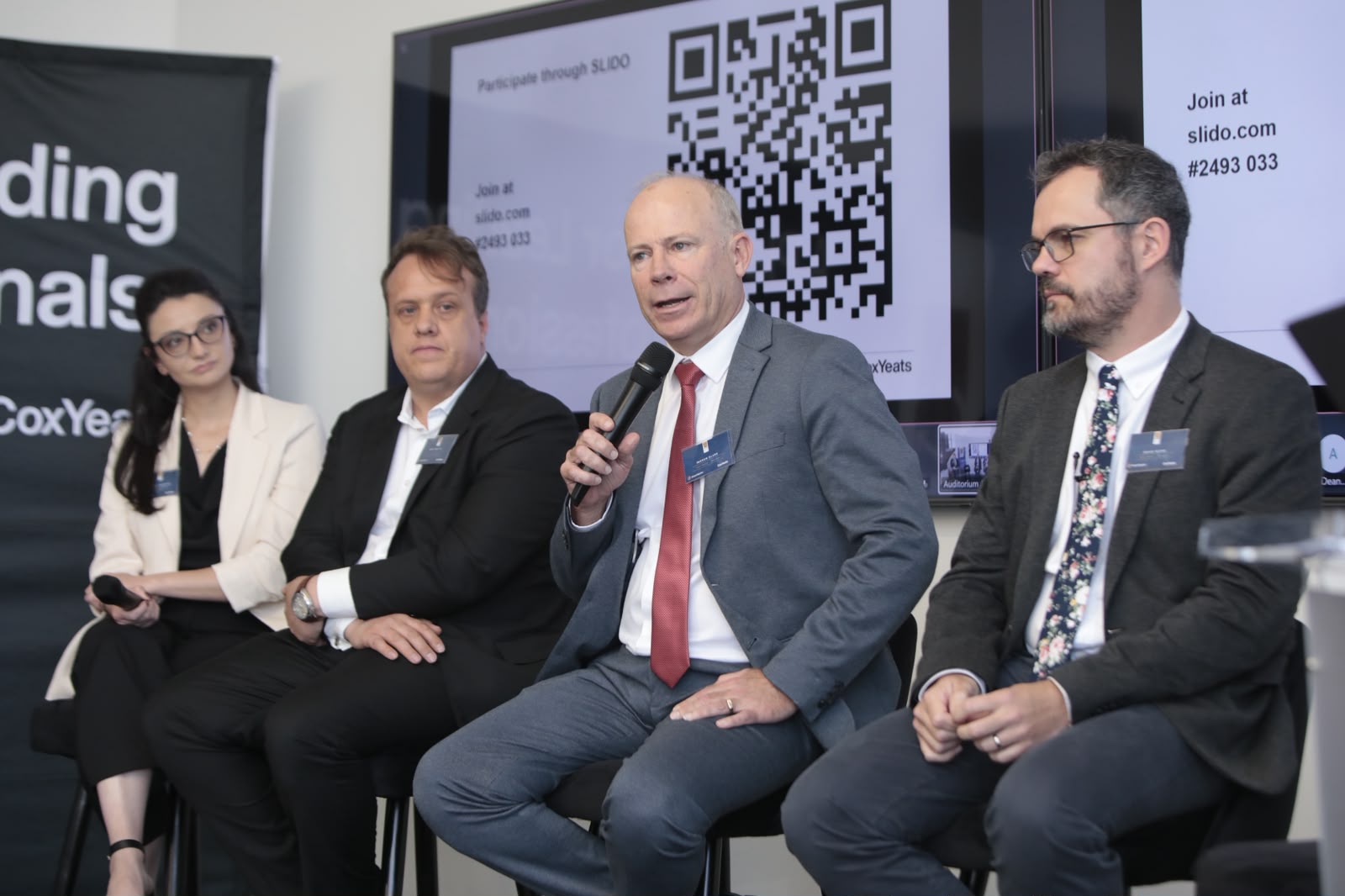
•From left to right: Chantal Murdock, Director at Beech Incorporated; Eben van Zyl, Director at Beech Incorporated; Andrew Clark, Managing Partner at Cox Yeats; and David Vlcek, Partner at Cox Yeats, at the IIG Wisdom Wednesday event on catastrophic event response hosted in Sandton on 7 October 2026.
Recent events reinforce the lessons
The event examined lessons from notable local and international incidents, including construction collapses, mining-related environmental disasters and maritime casualties, illustrating the significant human, financial and environmental consequences that can arise when major incidents occur.
Evidence can determine the outcome
A key theme emerging from the discussions was the importance of rapid evidence preservation and coordinated stakeholder management immediately following an incident. Experts cautioned that delays in securing information, appointing specialists and understanding potential liabilities can significantly complicate subsequent investigations, insurance claims and litigation.
Environmental liabilities are growing
The mining and environmental segment explored the growing impact of environmental loss events and the escalating costs associated with remediation, compensation and long-term environmental recovery. Presentations highlighted how incidents involving hazardous substances, pollution events and mining operations can create liabilities that extend well beyond the affected site and persist for years.
According to Chantal Murdock, Director at Beech Incorporated, environmental incidents increasingly require organisations to consider not only immediate operational impacts but also broader environmental, social and regulatory consequences.
Maritime losses carry complex risks
The maritime component of the programme focused on collisions, groundings, fires and other vessel casualties, highlighting the importance of specialist investigations, evidence preservation and navigating complex jurisdictional issues that can arise when incidents occur across international boundaries.
Construction collapses remain a critical concern
Construction-related discussions drew on lessons from significant structural collapses and workplace incidents, highlighting the responsibilities of project participants and the extensive legal, regulatory and insurance implications that frequently follow such events.
Preparedness must go beyond prevention
Speakers noted that organisations operating in high-risk sectors can no longer focus solely on prevention. While risk mitigation remains essential, incident preparedness, crisis response capability and effective post-event management are increasingly becoming business-critical competencies.
"The reality is that no organisation is immune from the possibility of a catastrophic event. What ultimately differentiates organisations is often not whether an incident occurs, but how effectively they respond when it does. Preparation, speed and access to the right expertise can make a substantial difference to recovery and outcomes," said David Vlcek, Partner at Cox Yeats.
A clear message for business leaders
As businesses continue to navigate increasing regulatory expectations, infrastructure pressures, environmental risks and operational complexity, the forum reinforced a clear message: when catastrophe strikes, preparedness and response are as important as prevention itself.