By Oke Peter
ABUJA – ExxonMobil has announced plans to invest $1 billion in the development of its Usan Infill Project, a major offshore initiative expected to add approximately 40,000 barrels of crude oil per day to Nigeria's production capacity.
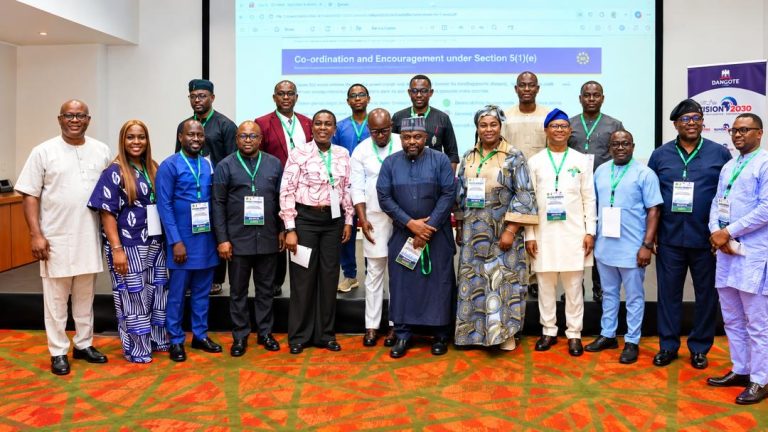
The investment was unveiled on Thursday at the 25th NOG Energy Week Conference and Exhibition in Abuja, where industry leaders highlighted growing confidence in Nigeria's oil and gas sector amid ongoing policy and regulatory reforms.
Addressing participants, Chairman and Managing Director of ExxonMobil affiliates in Nigeria, Jagir Baxi, described the Usan Infill Project as a strategic investment that reinforces the company's long-term commitment to Nigeria's energy industry. He noted that the development also marks ExxonMobil's return to deepwater drilling operations after an extended hiatus of nearly ten years.

Baxi explained that the project is an integral part of the broader Usan Field Development Plan and is expected to deliver first oil within the next 18 months. He added that the investment follows detailed seismic evaluations that revealed additional drilling opportunities capable of unlocking more reserves within the field.
The Nigerian Upstream Petroleum Regulatory Commission (NUPRC) welcomed the announcement, describing it as a strong indication of renewed investor confidence in Nigeria's upstream petroleum industry. The Commission said the project reflects the positive impact of recent regulatory reforms aimed at creating a more attractive and competitive investment environment.
Stakeholders at the conference also noted that the development supports Nigeria's objective of increasing crude oil production beyond two million barrels per day while attracting fresh investments to the upstream segment of the industry.
During the conference, the Federal Government reiterated its commitment to sustaining reforms across the oil and gas value chain, assuring local and international investors of its resolve to improve the business climate through greater regulatory certainty, enhanced fiscal competitiveness and investor-friendly policies.
The final day of the strategic conference centred on strengthening collaboration across the energy industry, promoting new investments and advancing Africa's energy security agenda. The event attracted policymakers, regulators, international and indigenous energy companies, investors and technology providers to deliberate on strategies for accelerating the continent's energy transition and economic growth.