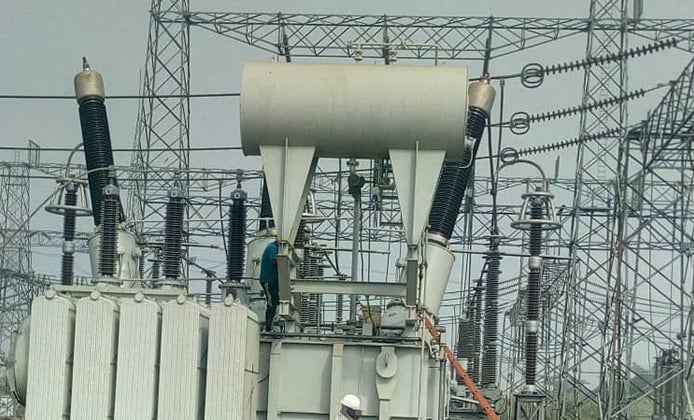
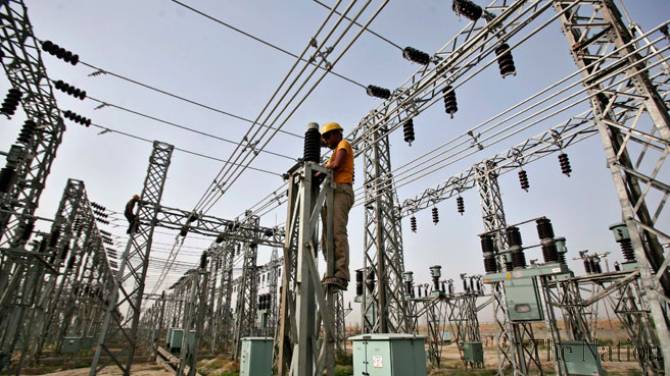
 PowerlineEven though Nigeria has the potential to generate over 13,000 megawatts, we barely produce 4,000 to 5,000 on most days—nowhere near enough for our population of over 200 million. Compare this to South Africa, with fewer people but far more power generation.
A major reason for power plant shutdowns is unreliable gas supply. Gas pipelines are frequently vandalized in the Niger Delta, cutting off fuel to power stations and forcing shutdowns. Meanwhile, electricity companies struggle financially because many customers don’t pay their bills or steal power, leaving companies unable to maintain equipment or improve service.
On top of this, government policy inconsistency and weak regulation scare away investors, further stalling progress.
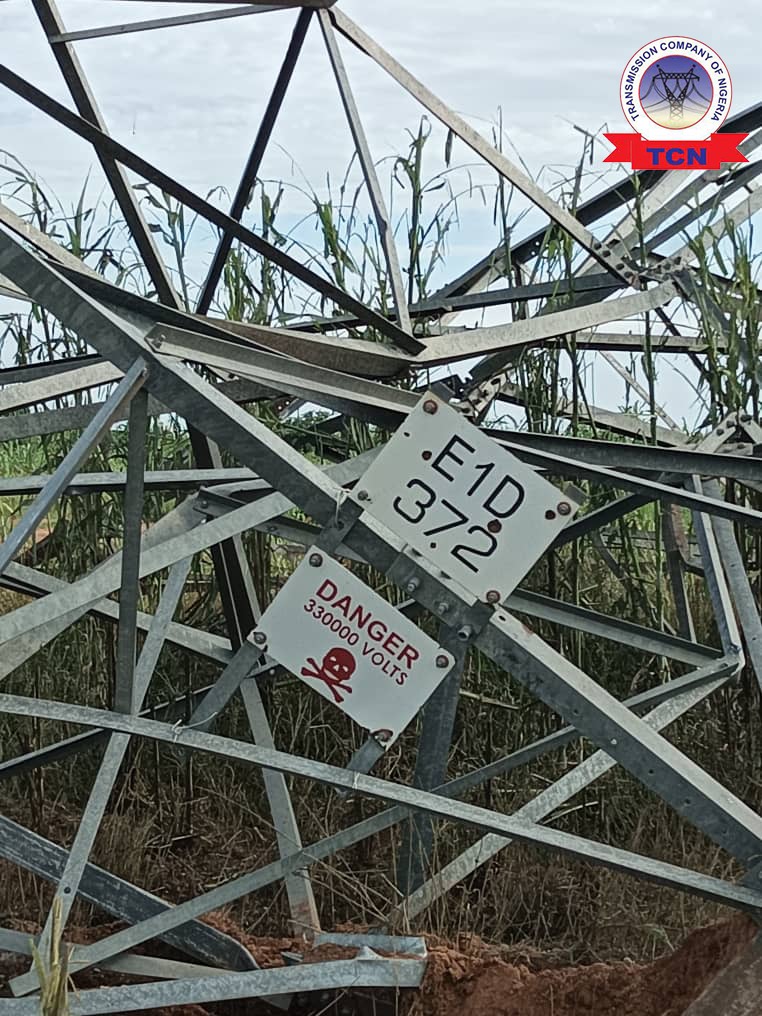 Scene of a recently vandalized power transmission tower in Kaduna State.What can be done?
The solution is clear and urgent:•Invest heavily in renewable energy like solar, wind, and small hydro plants to reduce dependence on gas and extend power to rural areas.
Scene of a recently vandalized power transmission tower in Kaduna State.What can be done?
The solution is clear and urgent:•Invest heavily in renewable energy like solar, wind, and small hydro plants to reduce dependence on gas and extend power to rural areas.•Fix and upgrade our aging power infrastructure with regular maintenance.
•Protect gas pipelines with community involvement and modern technology to stop vandalism.
•Open the sector to more private investment with fair rules to attract money and expertise.
•Set electricity prices that cover costs but also protect poor households through subsidies.
•Teach Nigerians to save electricity and reduce waste.
•Enforce regulations strictly to stop theft and corruption.
•Support local manufacturing of power equipment to create jobs and lower costs.
•Develop and stick to a long-term, stable power plan that lasts beyond government changes.
Nigeria cannot afford to wait any longer. Electricity is the backbone of development—without it, education, healthcare, business, and quality of life suffer. With commitment and clear strategy, we can end this power crisis and bring light to every home and business in the country.
The question is: will our leaders act decisively before it’s too late?