By Oke Peter
The 2026 Spring Meetings of the International Monetary Fund (IMF) and World Bank Group offered a timely snapshot of a global economy navigating persistent uncertainty. For the energy sector, the latest data and outlooks highlight a complex mix of resilience, transition pressures, and uneven regional dynamics. Here are five key takeaways shaping the energy landscape.

1. Slower global growth, but energy demand holds up
The IMF revised global growth projections modestly downward, reflecting tighter financial conditions and lingering geopolitical risks. However, energy demand remains relatively resilient, particularly in emerging markets. While advanced economies show signs of plateauing consumption due to efficiency gains and slower industrial activity, demand in Asia and parts of Africa continues to rise. This divergence reinforces the importance of region-specific energy strategies rather than a one-size-fits-all approach.

2. Fossil fuel markets remain tight despite transition push
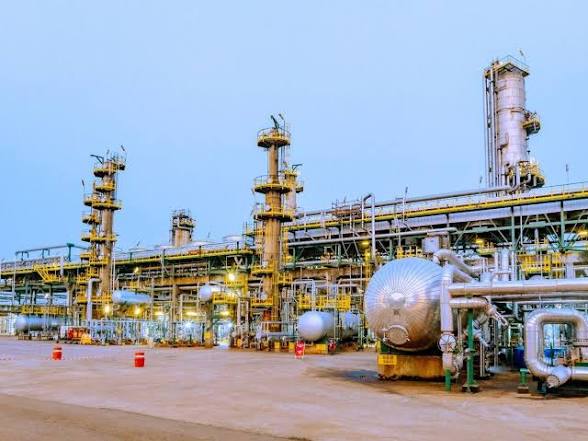
Despite strong policy momentum toward decarbonization, fossil fuels—especially natural gas—continue to play a critical role. Supply constraints, underinvestment in upstream projects, and geopolitical disruptions have kept markets tight. The data suggests that the energy transition is not reducing fossil fuel dependence as quickly as anticipated, raising concerns about price volatility and energy security. Policymakers are increasingly walking a fine line between advancing climate goals and ensuring reliable supply.

3. Renewable investment is growing, but not fast enough
Clean energy investment continues to expand, with solar and wind leading new capacity additions globally. However, the pace still falls short of what is required to meet long-term climate targets. The World Bank highlighted financing gaps, particularly in developing economies, where high borrowing costs and currency risks deter large-scale renewable projects. Without stronger financial mechanisms and risk mitigation tools, the transition could remain uneven and delayed.
4. Debt pressures are constraining energy transition in developing economies
A key theme from the meetings is the mounting debt burden across low- and middle-income countries. High debt servicing costs are crowding out public investment, including in energy infrastructure. This is particularly problematic for nations aiming to expand electricity access while transitioning to cleaner sources. The data underscores the need for innovative financing solutions—such as blended finance and debt-for-climate swaps—to unlock capital for sustainable energy development.

5. Energy security is back at the Center of Policy Agendas
Recent global disruptions have firmly re-established energy security as a top priority. Countries are diversifying supply sources, investing in domestic production, and strengthening strategic reserves. At the same time, there is growing recognition that energy security and energy transition must be pursued together, not in isolation. Grid resilience, storage technologies, and regional energy integration are emerging as critical components of this dual objective.
Conclusion
The 2026 Spring Meetings data update paints a picture of an energy sector in transition, but under strain. While progress toward cleaner energy continues, structural challenges—ranging from financing constraints to geopolitical risks—are slowing the pace. For industry stakeholders, the message is clear: adaptability and pragmatic policy design will be essential to balance growth, sustainability, and security in the years ahead.