By Oke Peter
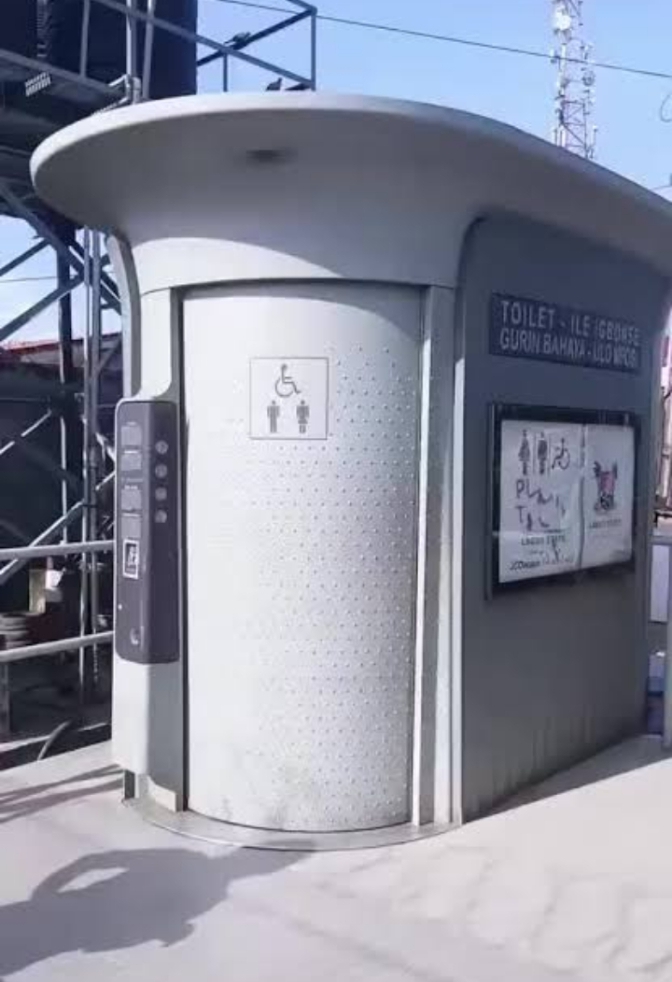
The Lagos State Government has ramped up efforts to improve public hygiene with the deployment of 1,710 public toilets across the state, marking a significant step in its ongoing sanitation campaign. The initiative is aimed at tackling the persistent issue of open defecation, which poses serious health and environmental risks in densely populated urban areas. Authorities say the rollout reflects a broader commitment to creating a cleaner, safer, and more livable city for residents and visitors alike.
Speaking on the development, the Commissioner for Environment and Water Resources, Tokunbo Wahab, emphasized that the provision of public toilets is a critical component of the state’s sanitation strategy. He noted that access to proper sanitation facilities is not only a matter of convenience but also a fundamental public health necessity. According to him, the government is determined to ensure that no community is left without access to basic hygiene infrastructure.

Wahab also called on private sector stakeholders—including filling stations, banks, restaurants, and other customer-facing businesses, to open their restroom facilities to the public where feasible. This collaborative approach, he said, is essential because government resources alone cannot fully meet the needs of a rapidly growing population.
The commissioner urged residents to adopt better hygiene practices and make proper use of the available facilities. Public awareness campaigns, he added, are being intensified to educate citizens about the dangers of open defecation and the benefits of maintaining a clean environment.
In addition, Wahab revealed that individuals caught engaging in open defecation are being arrested and prosecuted in accordance with environmental sanitation laws. This enforcement drive is part of a broader strategy to instill discipline and ensure compliance with public health regulations.
Environmental experts have long warned that open defecation contributes to the spread of diseases such as cholera, typhoid, and diarrhea. By increasing access to toilets and enforcing sanitation laws, the Lagos State Government aims to significantly reduce these health risks. Officials believe that sustained efforts in this direction will lead to measurable improvements in public health outcomes over time.
As the sanitation push continues, the government is urging residents to support the initiative by taking ownership of their surroundings. The success of the program, authorities say, depends not only on infrastructure and enforcement but also on the willingness of citizens and businesses to play their part. With consistent effort and cooperation, Lagos hopes to set a strong example in urban sanitation management.