By Kelechi Onwujuba and Gold Jeremiah
Despite a decline in international crude oil prices, many petroleum marketers across Nigeria have kept petrol prices unchanged, dashing hopes of lower fuel costs for motorists. Dealers say they are reluctant to reduce prices immediately because much of their existing stock was purchased at higher rates.
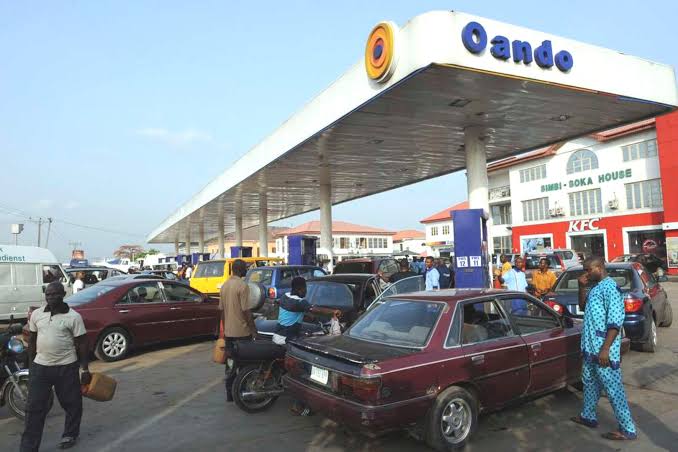
A survey of filling stations in Lagos, Abuja and Port Harcourt on Friday indicated that most independent marketers were dispensing petrol at the same prices recorded earlier in the week. Although there were no unusual queues, many consumers expressed frustration that the downward movement in global oil prices had yet to be reflected in retail outlets.
At several filling stations in Lagos, including those around Ikeja, Ojodu and Festac, attendants told customers they were still awaiting supplies at revised depot prices before any adjustment could be made. Commercial drivers said the situation had left transport operators struggling with rising operating costs.

"I thought the fall in crude oil prices would bring some relief, but nothing has changed at the filling stations," said Tunde Adebayo, a commercial bus driver in Lagos. "We still buy fuel at the same price, and passengers complain whenever transport fares go up."
In Abuja, a similar pattern was observed as most retail outlets along Kubwa Expressway, Wuse and Gwarinpa maintained existing pump prices. Motorists who spoke with our correspondent questioned why price increases are often implemented quickly, while reductions take much longer to reach consumers.
"I expected fuel to become cheaper after hearing about lower oil prices internationally," said Grace Eze, a private car owner in the Federal Capital Territory. "Instead, we are still paying almost the same amount. Consumers deserve to enjoy the benefit when market conditions improve."
In Port Harcourt, while a few filling stations offered slight reductions, the majority continued selling at prevailing rates, saying they were still disposing of products bought before the drop in crude prices.
A fuel marketer, Emeka Okafor, explained that many retailers could not afford to cut prices immediately because doing so would result in losses on products already in storage. He noted that marketers typically wait until they receive cheaper supplies before adjusting pump prices.
Industry stakeholders say the price of petrol is determined by more than just crude oil values, but exchange rate movements, depot pricing, transportation costs and other supply chain expenses also play significant roles in determining what consumers eventually pay at filling stations.
Although analysts believe sustained weakness in international oil prices should eventually reduce domestic fuel costs, many Nigerians say they are more concerned about when those savings will reach the pumps. Until then, motorists and transport operators remain burdened by high fuel expenses that continue to drive up the cost of living.