Nigeria is ramping up crude oil production in response to major global supply disruptions triggered by the ongoing conflict in Iran, with authorities targeting an immediate increase of 100,000 barrels per day (bpd) to take advantage of widening supply gaps in the international market.
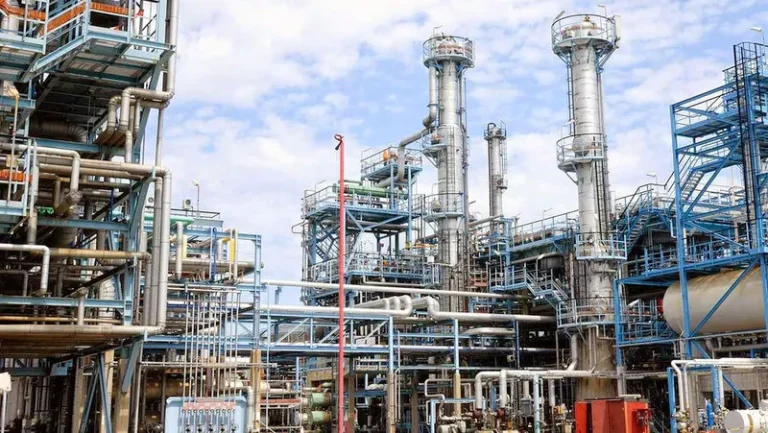
Latest data from the Nigerian Upstream Petroleum Regulatory Commission (NUPRC) shows the country’s total liquid production currently stands at about 1.66 million bpd, supported largely by strong output from key offshore assets such as Bonga, Erha, and Egina. Although production has occasionally climbed close to 1.8 million bpd, persistent structural and operational challenges continue to hinder Nigeria’s push toward its long-term target of over 2 million bpd.

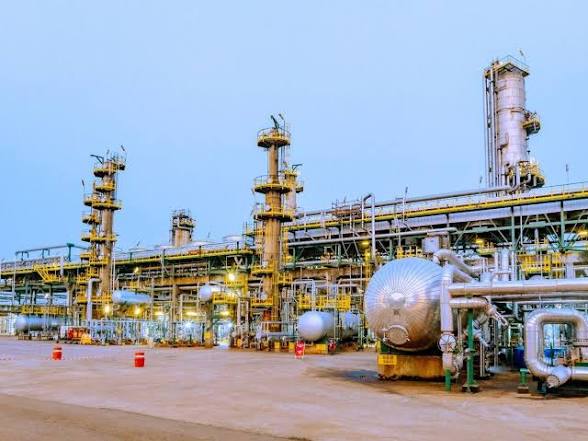
The Nigerian National Petroleum Company (NNPC) Limited is also intensifying crude supply allocations to major domestic assets, including the Dangote Petroleum Refinery, as shifting global energy dynamics drive higher demand for alternative crude suppliers.
Industry operators are leveraging rising crude prices and increased revenues to accelerate short-cycle exploration and production projects. The renewed investment drive aligns with the Federal Government’s broader strategy to significantly raise national oil and condensate output over the next four years.
Leading indigenous energy firms are already channeling increased revenues into aggressive drilling programmes. Oando Plc, for instance, has commenced a seven-well drilling campaign aimed at adding 10,000 bpd to production before the end of the year.
Beyond immediate production gains, Nigerian energy companies are also pursuing large-scale financing to support long-term expansion plans. Oando is seeking up to $750 million in debt and equity funding to execute a 100-well onshore drilling programme designed to increase its oil and gas production from 32,000 barrels of oil equivalent per day (boe/d) to nearly 100,000 boe/d.
According to the company’s Group Chief Executive, Wale Tinubu, the current global supply disruptions have created favourable conditions for raising capital and expanding operations to meet growing international demand.

Similarly, independent producer Heirs Energies has secured significant financing from African Export-Import Bank to refinance existing obligations and fast-track field development projects.
The ongoing geopolitical tensions in the Middle East are increasingly positioning Nigeria as a critical alternative crude supplier in the global energy market.
Source: Oilprice.com