By Oke Peter
The Nigerian National Petroleum Company Limited has introduced a new crude oil grade, known as Cawthorne, into the international market, marking a significant step in the country’s ongoing efforts to strengthen its energy export portfolio. The development reflects a broader strategy to diversify Nigeria’s crude offerings and improve its standing among global oil suppliers.
Cawthorne crude is classified as a light, sweet grade, with an API gravity of 36.4, making it particularly attractive to refiners due to its relatively low sulfur content and high yield of premium products such as gasoline and diesel. Its quality places it in a competitive position alongside Nigeria’s established benchmark grades.
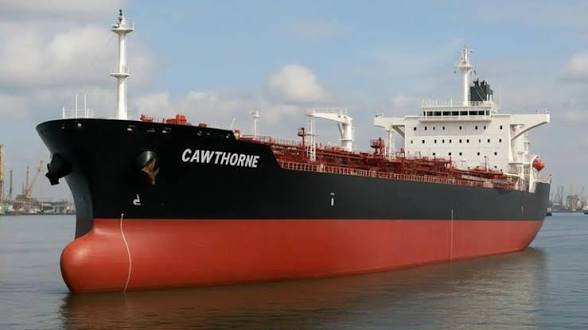
The maiden shipment of approximately 950,000 barrels has already been exported, signaling a successful entry into the global oil trade. The cargo was lifted from the Cawthorne Floating Storage and Offloading vessel, a key offshore facility that plays a vital role in the storage and transfer of crude oil before export.
Industry observers note that the launch of the Cawthorne grade is expected to enhance Nigeria’s export reliability, particularly as the country continues to address production and logistics challenges. By adding a new stream to its export mix, the country aims to improve supply consistency and meet growing international demand.

The move also aligns with national production targets, as authorities seek to ramp up crude oil output in the coming years. Expanding the range of exportable crude grades is seen as a practical step toward maximizing production capacity and attracting a broader range of international buyers.
In recent years, Nigeria has introduced additional crude grades to the market, reinforcing a strategy focused on diversification and resilience within the oil sector. The emergence of Cawthorne further underscores efforts to modernize infrastructure and optimize offshore operations.

Market analysts suggest that the successful launch of the new grade could boost investor confidence and generate increased revenue for the country. As global energy demand evolves, Nigeria’s ability to innovate and expand its crude offerings may prove critical in maintaining its relevance in the competitive oil market.