By Ibitoye Arigbabuwo
Dear Honourable Minister,
Congratulations on your nomination and subsequent confirmation by the Senate as Nigeria’s new Minister of Power, following the resignation of your predecessor, Chief Bayo Adelabu, who stepped down to pursue his governorship ambition. With your appointment, you become the 12th Minister of Power since Nigeria returned to democratic rule in 1999.
As both a technocrat and a politician who has spent considerable time within the corridors of power, you understand how government machinery works. However, it is important to recognise that serving as a Minister of the Federal Republic carries far greater responsibility and scrutiny than heading an agency as a Director-General.
Your new role demands discipline, focus, and an uncommon level of restraint. The office will attract “emergency friends,” opportunists, and self-serving advisers. You must be cautious about the counsel you accept and avoid allowing the ego of power to cloud your judgment. History has shown that many Ministers of Power fell not because they lacked intelligence, but because they stepped on the same “banana peels” of distraction, pride, and misplaced priorities.

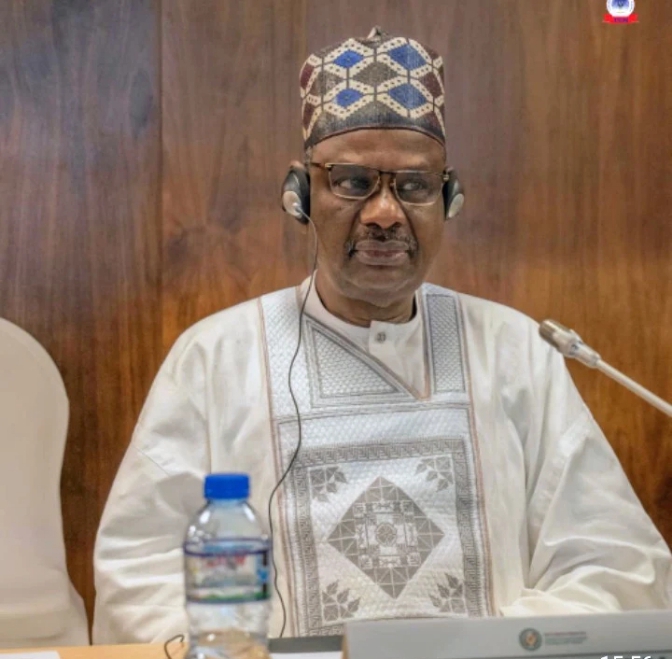
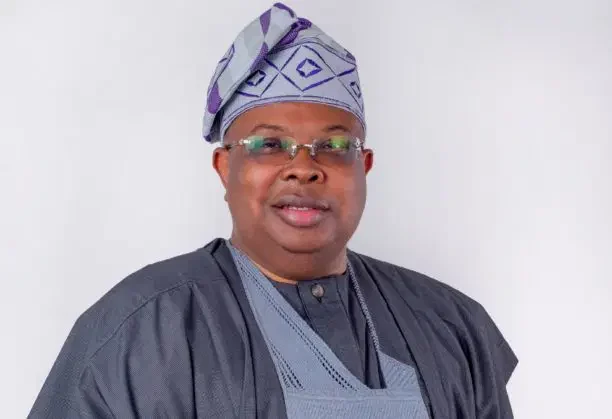
Minister of Power, Joseph Tegbe
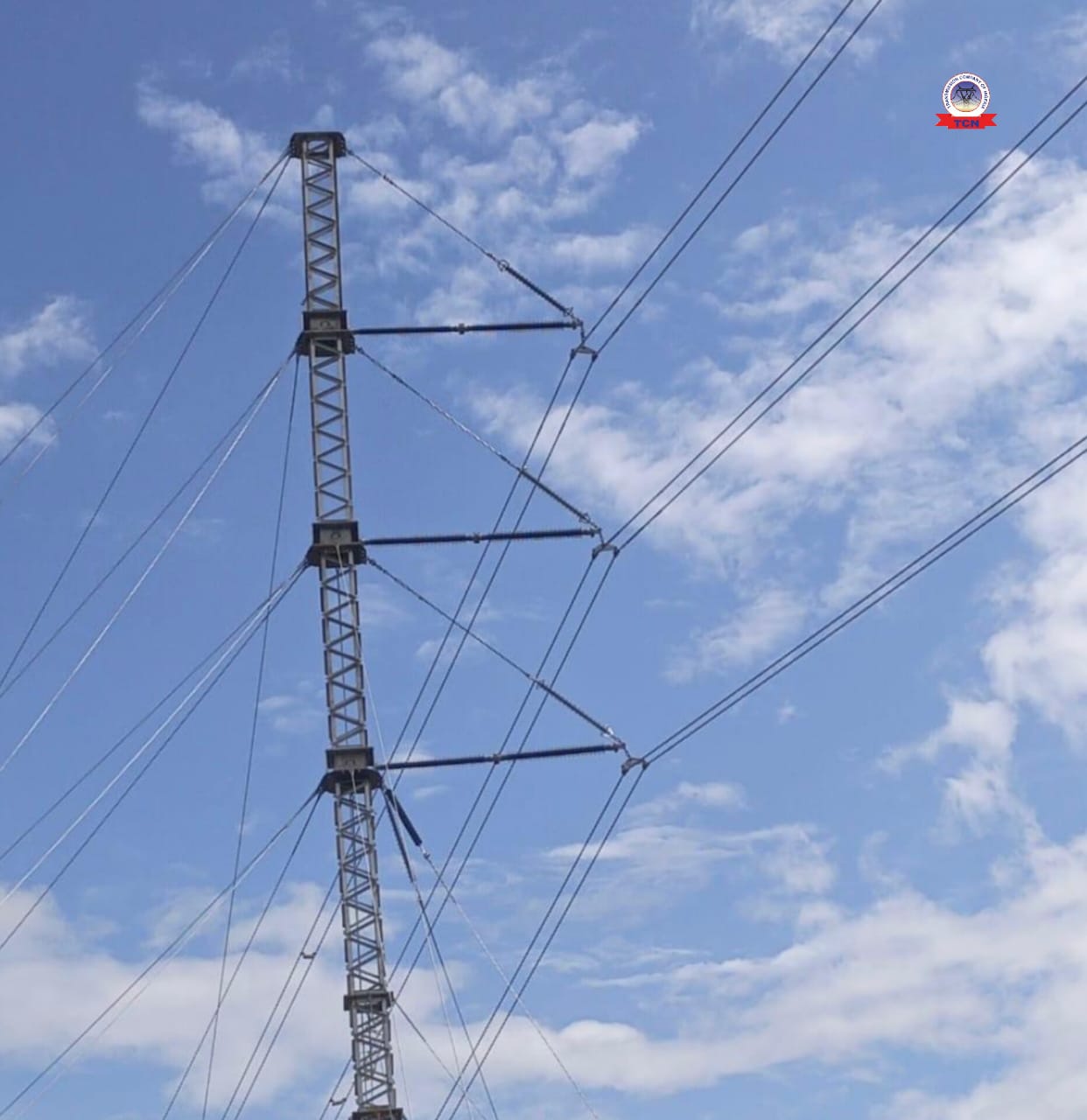
To succeed, you must learn to properly manage relationships across the power sector value chain—Generation Companies (GenCos), Distribution Companies (DisCos), the Transmission Company of Nigeria (TCN), regulators, and other critical stakeholders. Without effective coordination, even the best policies will collapse under the weight of poor implementation.
Honourable Minister, you must also remember that every administration and every appointment has an expiry date. Time is short, and expectations are high. Therefore, you must focus on delivering measurable impact rather than making sweeping promises that may be difficult to fulfil.
The power sector is fragile and deeply rooted in longstanding structural problems. While Nigerians are eager for progress, it is important to be realistic. Issues such as national grid collapses cannot be eliminated within 100 days. The causes are fundamental, systemic, and have existed for decades. It would be unwise to allow praise singers and political cheerleaders to push you into making commitments that are technically impossible to achieve within such a short timeframe.
Your Senate screening remarks are already circulating widely, and Nigerians will use them to assess your performance. The reality is that the grid will continue to suffer instability until obsolete equipment is replaced and major investments are made in infrastructure upgrades.
As a technocrat and politician, you have an opportunity to put issues in proper perspective and drive reforms that can improve the sector. Beyond the conventional grid, you should also prioritise renewable energy and alternative power solutions, as they remain key to improving energy access and reducing pressure on the national grid.
It is important to note that your predecessor, Chief Bayo Adelabu, made notable efforts in policy formulation and execution. However, he was ultimately overwhelmed by a system that often rewards noise over results. Sadly, Nigerians quickly forgot his achievements and instead reduced his tenure to mockery and public criticism. There is a lesson in that: the same people praising a minister today may turn against him tomorrow.
Finally, the ongoing trials and public controversies surrounding some of your predecessors should serve as a strong warning. Be cautious with contracts, project approvals, and financial decisions. Avoid deals that will not bring real impact to the sector. Many will come with proposals and “ideas,” but when accountability begins, very few will stand by you.
In public office, you stand alone when the books are opened.
All eyes are on you. Nigerians heard your confidence before the Senate; now they will demand results.
•Ibitoye Arigbabuwo Ph.D, writes from Akure.