Shell Nigeria Gas (SNG) has attributed the growth in domestic gas production and investment to recent reforms that introduced clearer pricing frameworks and reduced policy uncertainty in the sector.
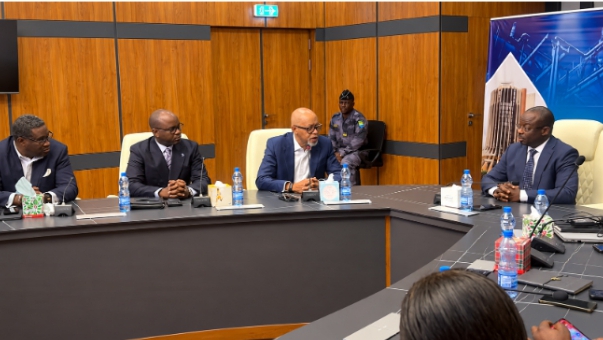
The company made the assertion at the second Business Forum of the Association of Local Distributors of Gas (ALDG) in Abuja, where industry stakeholders gathered to discuss strategies for improving gas access and accelerating industrialisation across Nigeria.
Speaking during a panel session titled "Building a Bankable Gas Distribution Ecosystem: Infrastructure, Capital and Market Demand," the Managing Director of Shell Nigeria Gas, Ralph Gbobo, said reforms in the gas sector had significantly strengthened confidence in the domestic market.
According to a statement issued by the company, Gbobo, who was represented by the Head of Gas Distribution, Chukwuka Amos-Ejesi, described the introduction of gas-focused policies, particularly the Petroleum Industry Act (PIA), as a turning point for the industry.
"The introduction of gas-focused policies, notably the Petroleum Industry Act, marked a turning point. By reinforcing the role of gas in Nigeria's energy and industrial strategy and embedding instruments such as the Network Code—a critical framework that governs the operations of the domestic gas market and ensures transparency and stability—and the Domestic Gas Supply Obligation, which compels producers to allocate gas to the domestic market, the PIA significantly reduced policy ambiguity around gas development," he said.

Gbobo noted that reforms in pricing and licensing had further enhanced investor sentiment and encouraged producers to commit more resources to domestic gas projects.
"The introduction of clearer pricing frameworks for gas supply and transportation, alongside a more transparent and competitive licensing regime, has strengthened market confidence. Together, these measures have improved producer confidence, particularly for domestic gas projects, and signalled the government's strong commitment to gas as a driver of industrial development," he added.
The Shell executive stressed that the company's experience in gas distribution underscored the importance of aligning demand, supply and infrastructure development to create a sustainable and bankable market.
Reflecting on SNG's early investments, he recalled that when the company commenced operations in the Agbara–Ota industrial corridor more than two decades ago, demand for gas was relatively low.
"When SNG started in Agbara–Ota over 20 years ago, demand was nowhere near what it is today. The economics were not perfect, but there was a leap of faith anchored on Nigeria's industrialisation trajectory. That decision has proven right," he said.
According to him, sustained investment despite initial challenges helped create industrial clusters and attracted long-term capital.
"SNG's persistence proved that when demand ambition, supply certainty, enabling infrastructure and commercial clarity come together—even if not perfectly at the start—it creates industrial clusters that can grow and attract long-term capital. Sustainability and bankability emerge over time as utilisation deepens and confidence builds," he stated.
The forum, themed "From Gas Abundance to Gas Access: Reassessing Nigeria's Gas Distribution Imperatives," brought together industry leaders and stakeholders to examine strategies for expanding gas utilisation across the country.
Participants at the session emphasised the need for clear, supportive and credible policy frameworks to unlock greater gas adoption and investment.
Shell Nigeria Gas, incorporated in 1998 as a wholly owned Shell gas distribution company, currently serves more than 150 customers across Abia, Bayelsa, Ogun and Rivers states. The company also disclosed that it connected two additional firms in Ogun State to its gas distribution network during the first half of the year.