By Oke Peter
When President Bola Tinubu visited Jos, Plateau State, on Thursday, April 2, 2026, to console families affected by the March 29 attacks that claimed 28 lives, he was received at the Yakubu Gowon Airport by Governor Caleb Mutfwang and top security officials. Yet, what should have been a solemn and orderly reception was overshadowed by a glaring embarrassment: there was no electricity at the airport.
Visibly displeased, the president reportedly remarked, “You have no light at the airport, and I have to fly back within the next 10 minutes.” The scene that greeted him, an airport shrouded in darkness—was both ironic and deeply troubling. The absence of functional lighting at such a critical facility during a presidential visit was more than a logistical lapse; it was a stark indictment of Nigeria’s worsening electricity crisis.

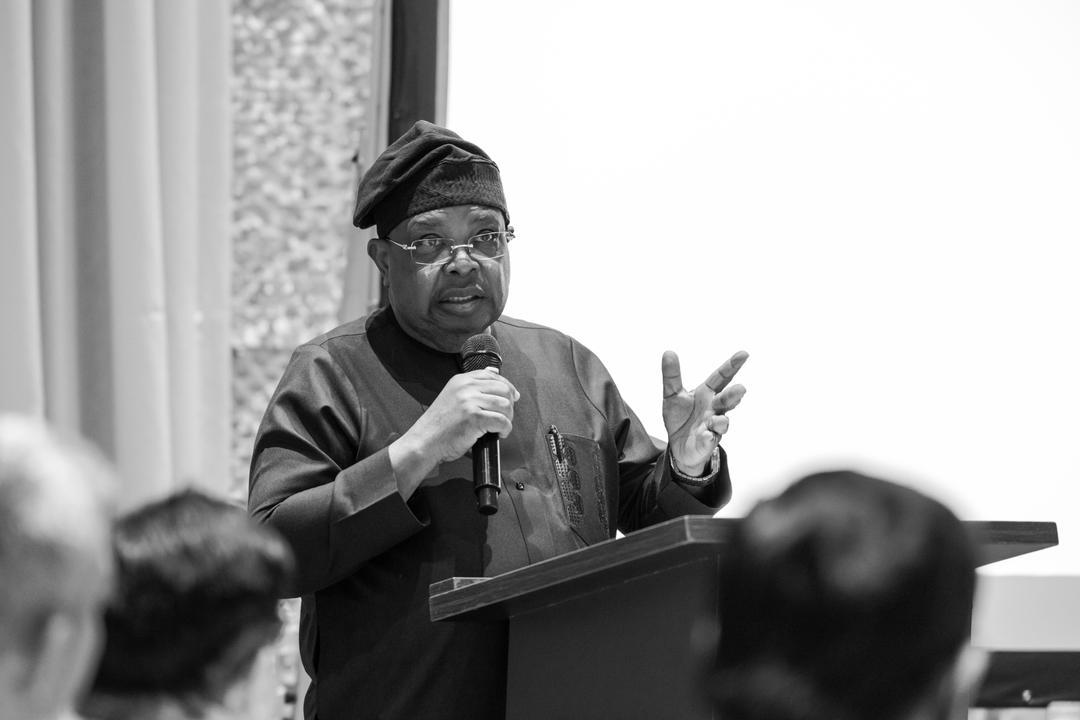
President Bola Tinubu
This moment captured, in the most unflattering light—or lack thereof—the state of the nation’s power sector. Nearly a year into the current administration, expectations of reform and stability have given way to deepening frustration. Nigerians are paying more for electricity, yet receiving less in return. Blackouts have become more frequent, and the national grid continues to teeter precariously. Promises of improved generation and distribution now ring hollow against the daily reality of persistent outages.
To be clear, Nigeria’s power sector challenges did not begin with this administration as years of underinvestment, policy inconsistency, and systemic inefficiencies created a fragile foundation. However, leadership is defined not by the ability to explain inherited problems, but by the capacity to reverse them. What Nigerians are witnessing today is not a turnaround, but a troubling continuation—if not an escalation—of long-standing failures.
At a time when bold, results-driven leadership is urgently needed, power sector has instead been marked by missed targets, persistent outages, and limited measurable progress. In many countries, such a record would likely trigger resignation or dismissal. In Nigeria, it appears to invite little more than routine reassurances.
Sadly, across the country, significant resources have been committed to constructing airports that are often economically unviable and operationally deficient. These projects are typically justified as catalysts for development, yet many lack the basic infrastructure required for effective operation—including reliable electricity. The darkened runway in Jos is emblematic of this contradiction: grand ambitions undermined by foundational neglect.

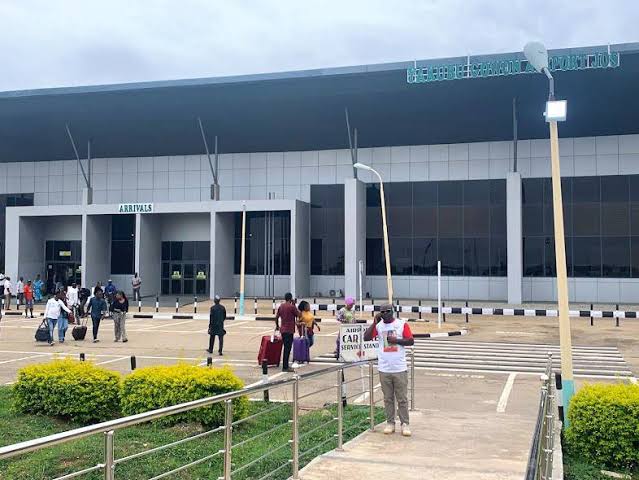
Yakubu Gowon Airport, Jos
Airports are not mere symbols of progress; they are complex, high-maintenance facilities that depend on consistent power to ensure safety and efficiency. Building them without securing stable electricity supply is not just short-sighted—it is dangerously negligent. It reflects a governance culture that prioritizes visibility over viability, and ceremonial ribbon-cutting over sustainable outcomes.
Meanwhile, the Federal Government’s broader energy strategy appears caught between ambition and execution. While there is increasing rhetoric around decentralizing power generation and embracing renewable energy, implementation remains slow and uneven. The continued overreliance on a fragile national grid leaves the country exposed to recurring system failures. Without a decisive shift toward more resilient, localized energy solutions, these challenges will only intensify.
However, policy announcements are increasingly met with skepticism, as citizens struggle to reconcile official optimism with lived reality. For many Nigerians, electricity has ceased to be a dependable public utility; it is now an inconsistent and costly privilege. Businesses rely heavily on generators, households endure prolonged outages, and critical infrastructure continues to fail at crucial moments.

Another view of Yakubu Gowon Airport, Jos
The incident in Jos should serve as a wake-up call and underscores that the consequences of policy failure are neither abstract nor distant—they are immediate, visible, and deeply consequential. If an airport cannot guarantee electricity during a presidential visit, it raises fundamental concerns about the state’s capacity to provide even the most basic services.
Nigeria does not lack the resources or expertise to fix its power sector, what is missing is a coherent strategy, disciplined execution, and a culture of accountability. Until these deficits are addressed, the darkness that enveloped Jos Airport will remain a powerful metaphor for a nation still searching for light.