By Oke Peter
The Chairman of the Executive Board of the West African Power Pool (WAPP), Engr. (Dr.) Sule Ahmed Abdulaziz, has called for decisive and urgent reforms to strengthen the organisation’s governance framework and accelerate the development of a reliable regional electricity market, describing the ongoing restructuring process as a “strategic necessity” for the future of power integration in West Africa.
Abdulaziz made the call at the 67th meeting of the WAPP Executive Board held in Lomé, Togo, on May 4, 2026, where he stressed that the expansion of cross-border electricity exchanges demands improved transparency, efficiency, and institutional reorganisation within WAPP.

According to him, the meeting comes at a critical moment for the regional power sector, as member states face mounting pressure to deliver an integrated, competitive and sustainable electricity system. He noted that strengthening interconnections, advancing the Regional Electricity Market, and sustaining effective governance remain central to WAPP’s mandate.
A major highlight of the meeting was the review of a restructuring study and its recommendations, which Abdulaziz described as vital to improving WAPP’s institutional performance. He urged board members to critically examine the proposals, identify immediate priorities, and ensure that the reforms are implemented in a practical and results-oriented manner.
The WAPP Chairman outlined three key principles to guide the reform process: continuity of WAPP’s mandate, strong governance discipline, and realistic implementation backed by adequate resources and measurable outcomes. He stressed that the Executive Board must provide clear direction while empowering the Secretariat with the tools and authority required to deliver effectively.
Abdulaziz also linked governance reform to financial sustainability, noting that unlocking predictable, market-based revenue streams is essential to supporting system coordination, market development and regional capacity building. He added that financial discipline is crucial to WAPP’s credibility and long-term success.
Commending the WAPP Secretariat for its efforts under challenging conditions, he called for sustained support and stronger emphasis on prudent resource management, transparency and operational efficiency. He further noted that a strong and well-governed regional market operator would boost electricity trade, improve supply reliability, reduce costs through regional optimisation and attract investment into the power sector.
In his welcome address, WAPP Secretary General, Mr. Abdoulaye DIA, described the meeting as a key milestone in the organisation’s governance reform agenda. He said it provided an opportunity to assess the implementation of previous decisions, evaluate progress, identify constraints, and set clear strategic directions for accelerating regional energy integration.

DIA reaffirmed WAPP’s mandate to promote regional electricity infrastructure and coordinate power exchanges among ECOWAS Member States. While noting progress in grid interconnections and market preparation, he acknowledged persisting challenges such as limited electricity access, rising demand, huge investment requirements, and the fragile financial position of sector operators.
He emphasized the need to achieve permanent synchronisation of West African utilities within the year, stressing that stronger regional coordination is critical to improving electricity reliability across the sub-region.
On the restructuring agenda, DIA said the reform process is essential for building a stronger and more efficient institutional framework aligned with the needs of a functional regional electricity market. He called for a shift from study to implementation through phased, realistic and adequately funded reforms, including the gradual establishment of an independent market operator and clearer institutional responsibilities.
He also urged member states to demonstrate collective responsibility, particularly through timely payment of contributions, noting that financial discipline is key to sustaining WAPP’s programmes. DIA outlined priority areas for the organisation, including accelerating interconnection projects, strengthening system synchronisation, improving market mechanisms and boosting institutional capacity.
He maintained that delivering reliable, affordable and accessible electricity remains WAPP’s ultimate objective.
The meeting also introduced three new rotating members of the Executive Board, including the Managing Director of the National Water and Electricity Company of The Gambia, represented by Mr. Gallo Saidy; the Bui Power Authority of Ghana, represented by Mr. Justice Kyere; and the Société Béninoise de Production d’Électricité, represented by Mr. Mysbaou Adam Assa.
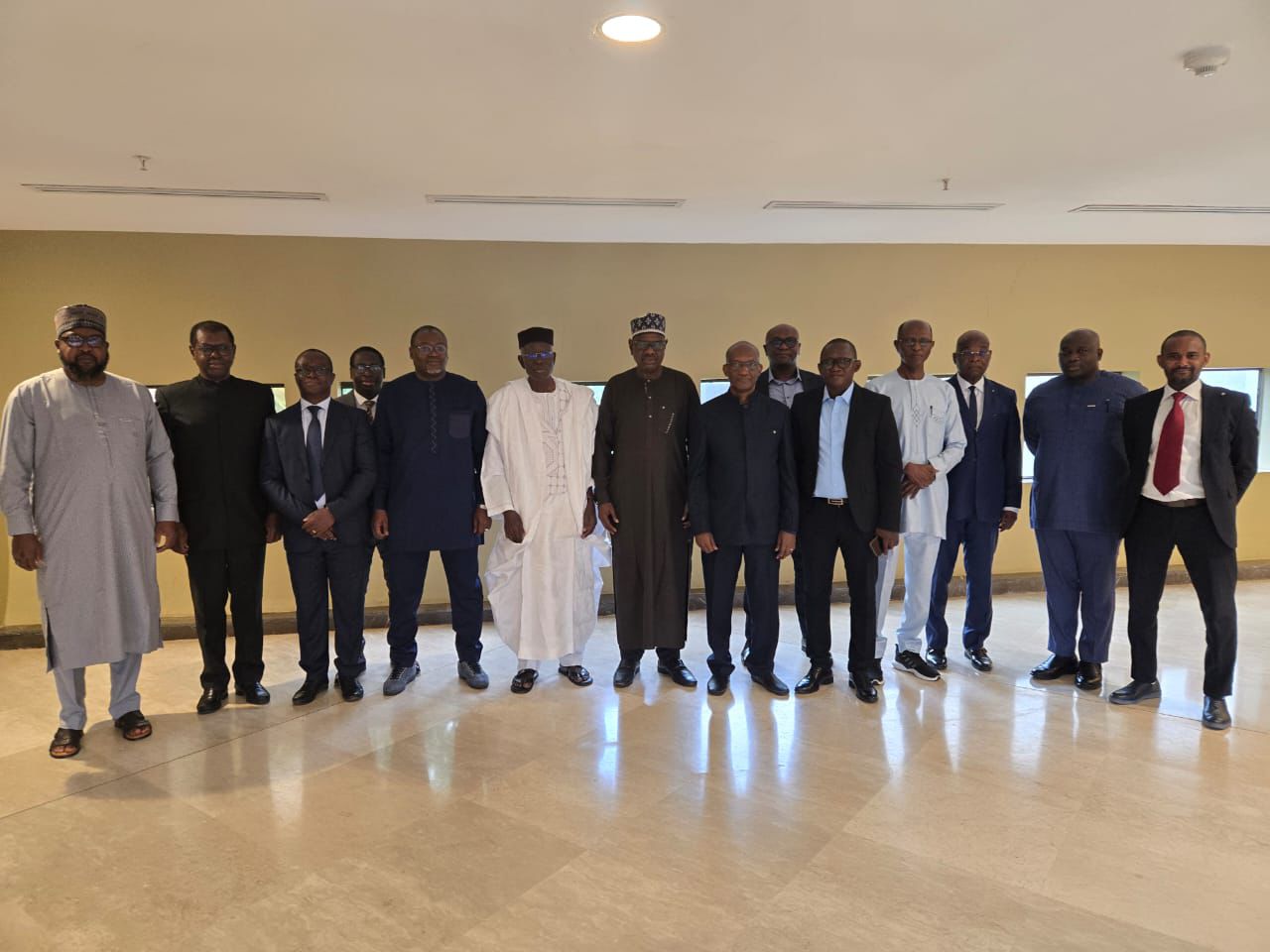
The 67th Executive Board meeting brought together senior representatives of member utilities and directors of the WAPP Secretariat to review progress and set strategic priorities aimed at advancing regional energy integration across West Africa.