By Oke Peter
CAPE TOWN, South Africa – The curtain fell on the Africa Energy Forum (AEF) 2026 on Friday after four days of intensive discussions, deal-making and strategic engagement centred on the theme, “Building Africa’s Industrialised Future.” The final day shifted the conversation from ambition to execution, with stakeholders emphasizing the need to accelerate project delivery, strengthen regional energy markets and unlock investment for large-scale infrastructure.
Held at the Cape Town International Convention Centre (CTICC), the forum brought together ministers, utilities, financiers, developers, technology providers, industrial companies and multilateral institutions from across Africa and beyond. Throughout the event, delegates examined how energy, critical minerals, infrastructure, finance and technology can work together to drive industrialisation and economic growth across the continent.

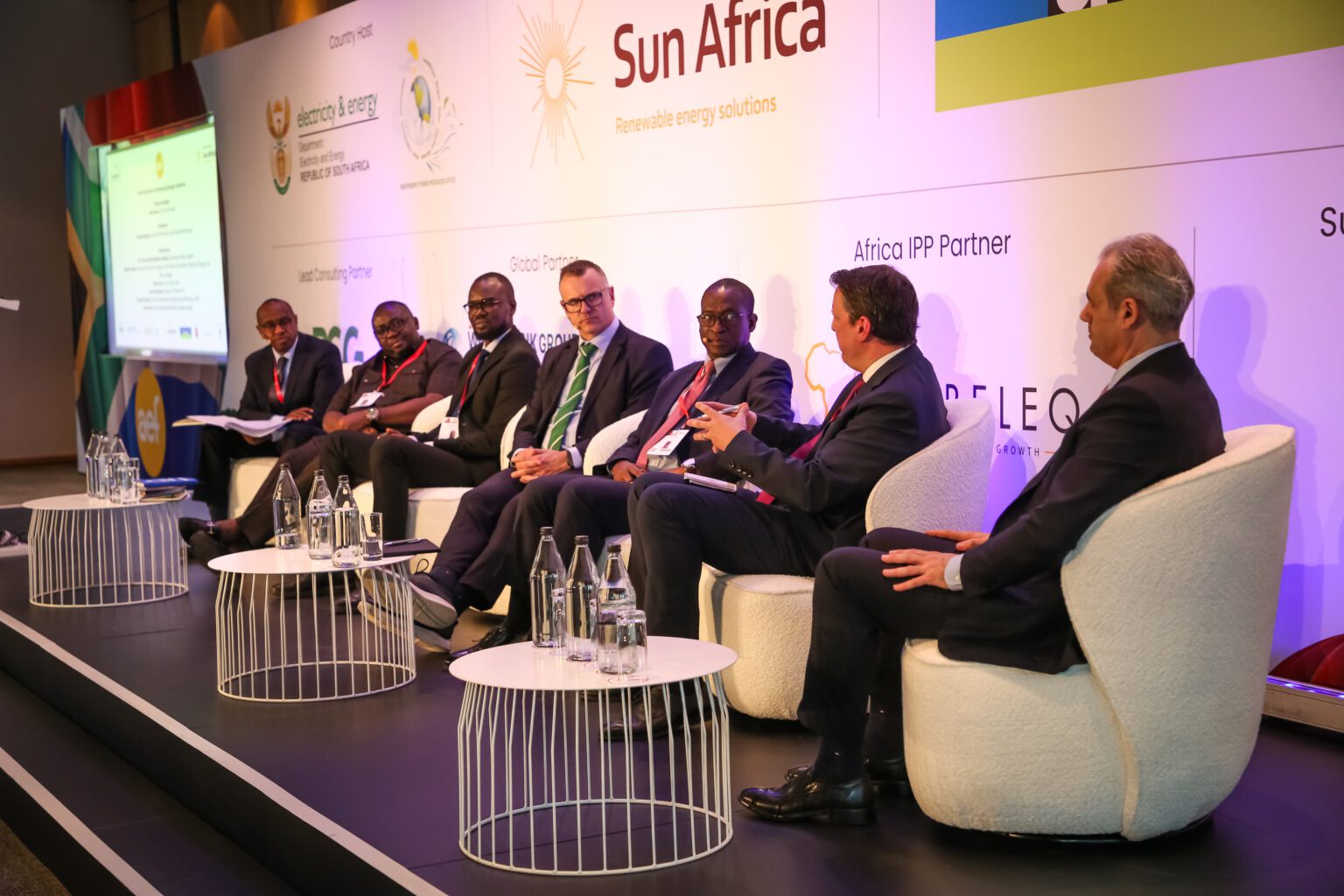
The final day featured a series of high-level discussions focused on implementation. Sessions explored the future of transmission infrastructure, regional power trading, energy security, renewable energy deployment, gas-to-power opportunities and the financing structures required to move projects from planning to construction. Delegates agreed that transmission networks remain one of the most critical enablers of Africa’s industrial ambitions, with stronger interconnections needed to support regional electricity trade and improve reliability.
A recurring theme across the closing sessions was the importance of blended finance and risk mitigation mechanisms in attracting private capital. Development finance institutions, commercial lenders and project developers highlighted the need for bankable regulatory frameworks, transparent procurement systems and long-term policy consistency to unlock greater investment flows into the continent’s energy sector.
Discussions also examined the growing role of critical minerals in Africa’s industrial future. Speakers stressed that African countries must move beyond exporting raw materials and instead develop local processing, manufacturing and value-addition industries powered by reliable energy infrastructure. The linkage between mining, energy development and industrial growth emerged as one of the defining themes of AEF 2026.
Renewable energy remained firmly on the agenda, with participants showcasing progress in solar, wind, battery storage and green hydrogen projects. However, speakers emphasized that Africa’s energy transition must be pragmatic and tailored to national circumstances. Many argued that renewables, natural gas, hydropower and emerging technologies should be deployed in complementary ways to meet rising electricity demand while supporting industrial development.
The final panel discussions also addressed Mission 300 and broader electrification goals, with stakeholders stressing that expanding energy access must go hand-in-hand with economic transformation. Delegates noted that providing electricity alone is not enough; power systems must support manufacturing, mining, agriculture and digital industries capable of creating jobs and driving long-term prosperity.
As the forum drew to a close, participants reflected on the strong momentum generated throughout the week. Across boardrooms, exhibition halls and networking sessions, investors and project sponsors reported increased engagement around power generation, transmission, renewable energy, gas infrastructure and industrial development opportunities.

The event concluded with a clear message: Africa possesses the resources, talent and market potential required to become a global industrial powerhouse, but success will depend on faster execution, stronger partnerships and sustained investment. Stakeholders agreed that the next phase of Africa’s energy story must be defined not by plans and promises, but by projects delivered on the ground.
With AEF 2026 now concluded, attention turns to translating the conversations, commitments and partnerships forged in Cape Town into tangible infrastructure that can power Africa’s industrial future. The forum leaves behind a renewed sense of urgency and optimism that the continent is increasingly moving from vision to delivery in its pursuit of sustainable and inclusive energy growth.