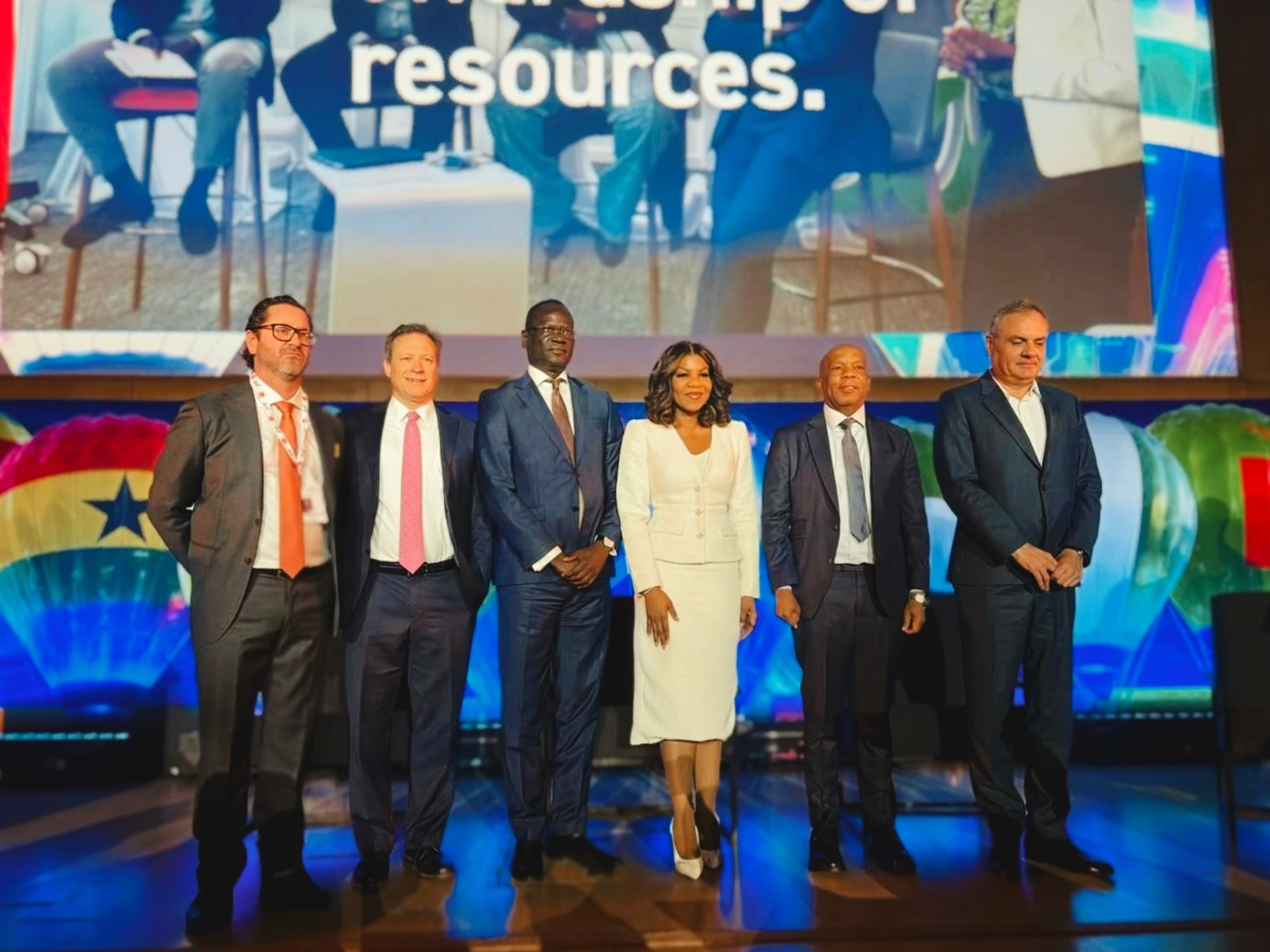
By Oke Peter
CAPE TOWN, South Africa – The second day of the Africa Energy Forum (AEF) 2026 delivered high-level discussions on regional power integration, critical minerals, energy financing, electricity access and industrial development, as governments, investors, utilities and technology providers intensified efforts to turn Africa's energy ambitions into bankable projects.
Held at the Cape Town International Convention Centre (CTICC) under the theme “Building Africa’s Industrialised Future,” the forum continued to attract energy ministers, development finance institutions, utilities, renewable energy developers, mining companies and global investors seeking opportunities across the continent. The event is focused on linking energy, infrastructure, finance, technology and critical minerals to accelerate Africa's industrialisation agenda.

One of the key highlights of Day Two was the growing conversation around regional power integration and the need for stronger cross-border electricity infrastructure. Speakers emphasised that Africa's industrial ambitions cannot be achieved without expanding transmission networks, strengthening regional power pools and improving energy trading between countries.
The Development Bank of Southern Africa (DBSA) featured prominently in discussions on regional integration, with executives stressing the importance of mobilising long-term capital for transmission projects, renewable energy developments and energy security initiatives across Southern Africa.
Critical minerals also dominated several sessions as policymakers and industry leaders explored how Africa can move beyond exporting raw materials to building local value chains. Discussions focused on lithium, cobalt, manganese, copper and rare earth minerals, which are increasingly essential for the global energy transition.
Panelists argued that Africa must leverage its vast mineral resources to attract manufacturing investments, create jobs and establish processing industries capable of supplying global clean energy markets. Participants stressed that energy infrastructure development and mineral beneficiation must progress simultaneously to unlock sustainable economic growth.
Financing remained a major theme throughout the day. Representatives from the World Bank Group, African Development Bank, Africa Finance Corporation (AFC), development finance institutions and commercial lenders examined innovative funding models capable of closing Africa's infrastructure gap.
Mission 300, the ambitious initiative aimed at accelerating electricity access across the continent, received significant attention during discussions on energy access. Stakeholders highlighted progress in expanding connections while calling for stronger public-private partnerships to reach underserved communities and support productive economic activities.

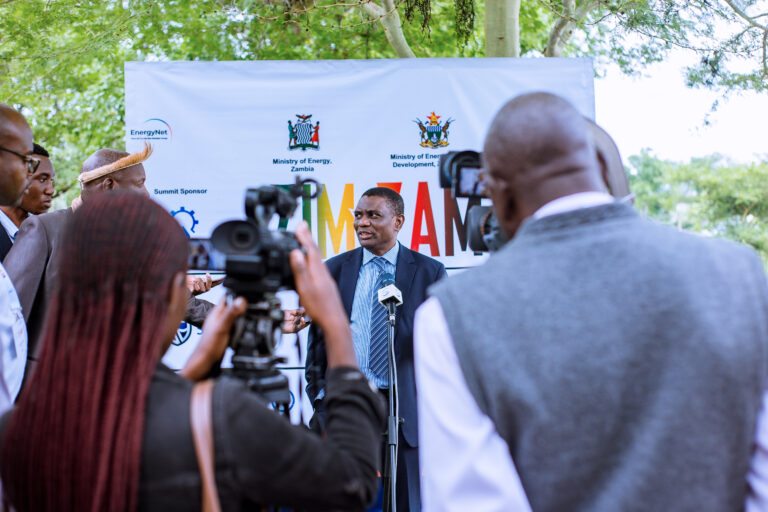
•Managing Director, EnergyNet, Simon Gosling during his presentation at the event.
The role of private sector investment in Africa's energy transition featured heavily across several boardroom sessions and executive dialogues. Developers, financiers and government officials discussed ways to improve project bankability, strengthen regulatory frameworks and reduce investment risks.
Renewable energy continued to attract considerable interest, particularly utility-scale solar, wind, battery storage and hybrid power projects. Industry leaders noted that declining technology costs are creating new opportunities for countries seeking affordable and reliable electricity supplies.
Gas-to-power solutions also remained part of the conversation, with participants arguing that natural gas will continue to play a critical role in supporting industrialisation, grid stability and energy security while renewable capacity expands.
Major industry players participating in Day Two activities included GE Vernova, Trinasolar, AFC, DBSA, the World Bank Group, African Development Bank, utilities, independent power producers, technology firms and infrastructure investors from across Africa, Europe, Asia and North America.
Networking sessions, investor meetings and private boardroom discussions were equally active, with delegates pursuing partnerships and investment opportunities in generation, transmission, distribution, critical minerals and energy infrastructure projects.
Beyond formal discussions, exhibitors showcased emerging technologies designed to improve grid reliability, energy efficiency, renewable integration and digital energy management. Many delegates described the exhibition floor as a reflection of Africa's evolving energy landscape, where innovation is increasingly becoming a driver of industrial development.
As Day Two concluded, a common message emerged from both public and private sessions: Africa possesses the resources, technology options and investment opportunities needed to transform its energy sector, but success will depend on execution, policy consistency and stronger collaboration between governments, financiers and industry stakeholders.
With two more days remaining, delegates expressed optimism that the forum would continue generating the partnerships and investment commitments required to advance Africa's industrial future and expand access to reliable, affordable and sustainable energy across the continent.
The Africa Energy Forum 2026 runs from June 16 to 19 in Cape Town and has brought together hundreds of stakeholders from the energy, infrastructure, finance and technology sectors to accelerate investment and project delivery across Africa.