By Oke Peter
Have you ever wondered why people refer to petrol as fuel, yet not every fuel is petrol? Although the two words are frequently used interchangeably, particularly in Nigeria, they do not mean the same thing.
Understanding the difference is important, especially as conversations around energy, transportation, electricity generation, petroleum products and alternative energy sources become increasingly relevant.
What is fuel?
Fuel is a broad term used to describe any substance or material capable of releasing usable energy, usually through combustion or a chemical reaction. The energy produced can be used to power vehicles, generate electricity, heat homes, operate industrial equipment and support several other human activities.
In simple terms, fuel is anything that can provide energy for a particular purpose when converted through an appropriate process.
Fuel exists in different forms, including solid, liquid and gaseous forms.
Examples of solid fuels include coal, firewood and charcoal. Liquid fuels include petrol, diesel, kerosene and aviation fuel, while gaseous fuels include natural gas, liquefied petroleum gas (LPG), compressed natural gas (CNG) and biogas.

There are also renewable and alternative fuels, such as biodiesel, bioethanol, green hydrogen and other emerging energy sources.
Therefore, fuel is not limited to petroleum products. It covers a much wider range of energy sources used across different sectors of the economy.
What is petrol?
Petrol, also known as gasoline in countries such as the United States, is a specific type of liquid petroleum product used primarily to power spark-ignition internal combustion engines.
It is produced mainly through the refining of crude oil and consists of a carefully blended mixture of hydrocarbons designed to meet engine performance requirements.
Petrol is commonly used in private cars, motorcycles, tricycles, generators and other equipment fitted with petrol engines.

Its ability to ignite through a spark from a spark plug makes it suitable for engines specifically designed to operate on petrol.
Unlike diesel, which is used in compression-ignition engines, petrol engines rely on an ignition system to burn the air-fuel mixture.
In Nigeria, petrol is commonly referred to as Premium Motor Spirit (PMS).
So, what exactly is the difference between fuel and petrol?
The simplest way to understand the distinction is that petrol is fuel, but fuel is not necessarily petrol.
Fuel is the general category, while petrol is one product within that category.
For instance, diesel is fuel, but it is not petrol. Kerosene is fuel, but it is not petrol. Natural gas is fuel, but it is not petrol.

Similarly, coal, firewood, aviation fuel and biodiesel are all fuels, although they have different compositions, properties and applications.
It is comparable to the relationship between fruit and orange. Every orange is a fruit, but not every fruit is an orange.
Why do many people confuse fuel with petrol?
There are several reasons the distinction is often overlooked, particularly in Nigeria.
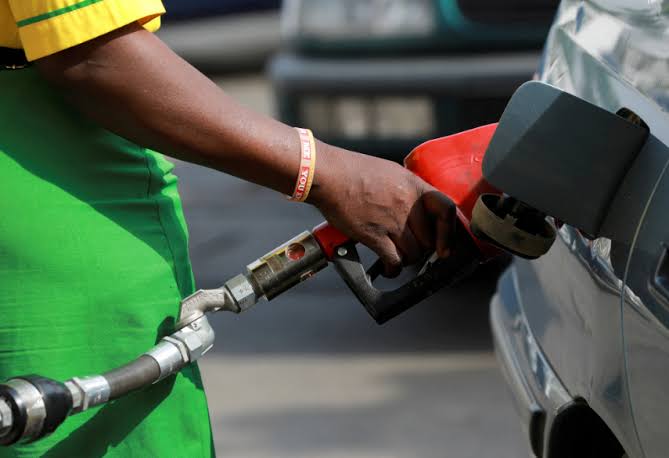
First is everyday language. Over the years, Nigerians have become accustomed to using the word 'fuel' when referring specifically to petrol. When someone says they want to buy fuel, it is generally understood that they intend to purchase petrol for their vehicle or generator.
Second is the widespread use of petrol-powered vehicles and generators. For many households and motorists, petrol is the most familiar liquid petroleum product, making the word fuel almost synonymous with petrol in ordinary conversations.
Third is the influence of filling stations and public discussions. Conversations about fuel prices, scarcity, queues and government policies frequently revolve around petrol. This has further reinforced the association between the two terms.
Another contributing factor is the limited distinction made between different petroleum products in everyday discussions. Although petrol, diesel, kerosene and aviation fuel all originate largely from crude oil, they are different products with different specifications and uses.
The growing use of alternative energy sources also makes it increasingly important to understand that fuel goes beyond conventional petroleum products.
Why does understanding the difference matter?
Understanding the distinction helps people make informed decisions about energy consumption, vehicle maintenance, industrial operations and energy policy.
Using the wrong fuel in an engine can cause serious mechanical problems. A diesel engine, for instance, is not designed to operate on petrol, just as a petrol engine is not designed to run on diesel.
The distinction is also important when discussing energy transitions. As Nigeria expands its adoption of compressed natural gas, liquefied petroleum gas, biofuels and other alternative energy sources, describing all energy sources simply as petrol would be misleading.

It also helps readers understand energy market reports, petroleum pricing, government policies and developments across the oil and gas value chain.
The takeaway
Fuel and petrol are related, but they are not interchangeable in their technical meanings.
Fuel is the general term for substances that release energy for useful purposes, while petrol is one specific type of fuel derived primarily from crude oil.
So, the next time someone says fuel, remember that they may be referring to petrol, but the word fuel covers a much bigger energy family.