By Oke Peter
Electricity theft is one of Nigeria's biggest but least discussed economic crimes. It happens every day—in homes, businesses, factories, markets, government offices and even some public institutions—yet it often goes unnoticed. While consumers regularly complain about poor electricity supply and high tariffs, billions of naira are also lost annually through illegal consumption of power.
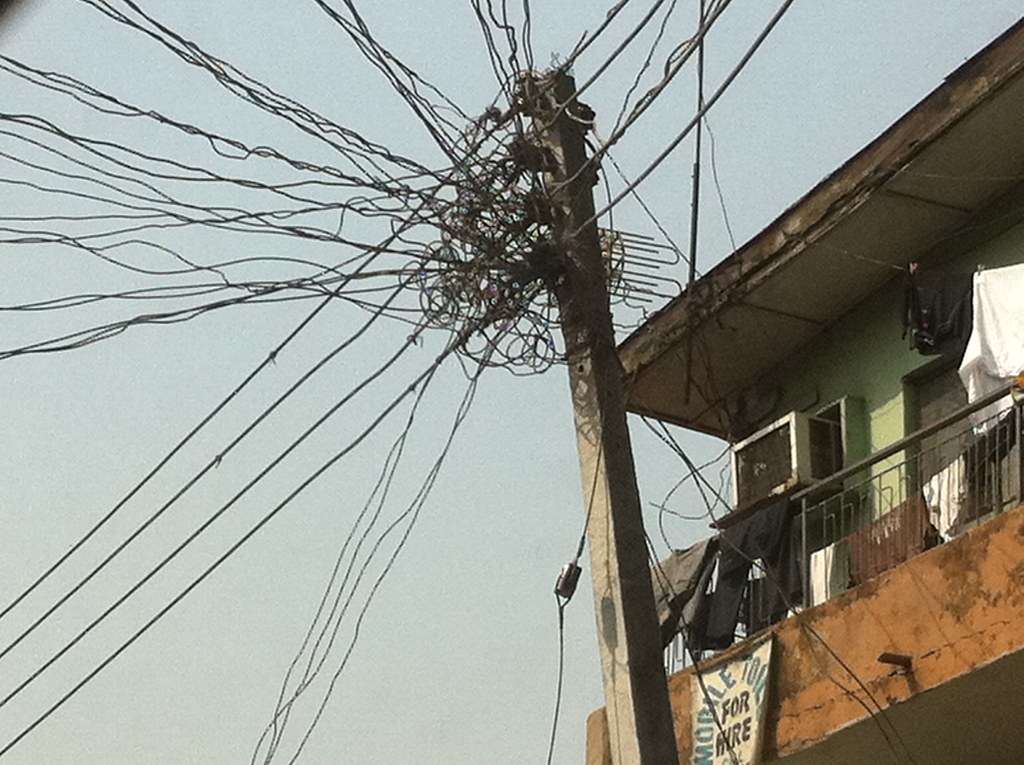
Many Nigerians assume electricity theft only involves people connecting wires directly to power lines, but the reality is far more complex. The practice has evolved into a sophisticated network involving illegal meter bypasses, meter tampering, unauthorized reconnections after disconnection, direct hooking to distribution lines, manipulation of prepaid meters, and even collusion with corrupt insiders within the electricity value chain.

One of the most common methods is meter bypassing, in this arrangement, electricity is diverted around the meter, allowing consumers to use power while only a fraction—or none—of the energy consumed is recorded. Some households hide the bypass behind walls or ceilings, making detection difficult during routine inspections.
Unscrupulous technicians alter the internal components or software of meters so that electricity units are consumed much more slowly than they should be. In some cases, cloned meters or illegally programmed smart cards are used to generate unauthorized electricity credits.
Some hotels, shopping complexes, manufacturing plants, entertainment centres and small businesses have been discovered using illegal connections to reduce operating costs. Because electricity constitutes a significant portion of business expenses, some operators choose fraud over paying legitimate bills.
Perhaps more disturbing is the allegation that some government facilities have, at different times, accumulated enormous unpaid electricity bills or relied on unauthorized connections. While not every unpaid bill amounts to theft, electricity distribution companies have occasionally disconnected ministries, agencies and public institutions over outstanding debts running into billions of naira. Such situations weaken the financial health of the power sector and send the wrong signal to other consumers.
Consequently, many illegal connections require familiarity with electrical installations, suggesting the involvement of trained technicians or individuals with insider expertise. Distribution companies have repeatedly reported cases where employees or contractors allegedly collaborated with customers to manipulate meters or reconnect disconnected premises illegally in exchange for bribes.
Detecting electricity theft is also more difficult than many people imagine as illegal connections are often concealed within building structures, underground cables or modified electrical panels. Some consumers restore the original wiring before inspection teams arrive, while others receive advance notice of enforcement visits from compromised officials.

So why are prosecutions so rare?
The answer lies in a combination of legal, technical and institutional challenges.
First, proving electricity theft requires strong technical evidence that can withstand judicial scrutiny. Distribution companies must demonstrate deliberate tampering or illegal consumption, which often requires expert investigations.
Second, inspecting millions of electricity consumers across Nigeria requires manpower, equipment and logistics that many distribution companies struggle to provide. Enforcement operations are expensive and time-consuming.
Third, allegations of compromised enforcement officers, illegal settlements and political interference have weakened deterrence. In some instances, suspected offenders simply negotiate payments instead of facing criminal prosecution.
Also, criminal cases involving utility theft can take years before reaching conclusion, discouraging companies from pursuing lengthy legal battles.
There is also the issue of public perception. Many Nigerians do not view electricity theft as a serious crime. Some regard it as a way of coping with unreliable supply, estimated billing or economic hardship. However, industry experts argue that every stolen kilowatt-hour ultimately increases losses within the electricity market, contributes to higher tariffs, weakens investor confidence and reduces the funds available for network expansion and improved service delivery.
Distribution companies recover less revenue, investment in infrastructure declines, equipment deteriorates, power outages increase and honest consumers bear a greater financial burden through higher tariffs and service inefficiencies.

•Body of an electrician who died while stealing and tampering with the community transformer in Port Harcourt recently.
To be candid, wider deployment of tamper-proof smart meters, advanced energy monitoring systems, stronger internal controls within electricity companies, public awareness campaigns and faster prosecution of offenders are essential. Equally important is ensuring fair billing, improved customer service and reliable electricity supply so consumers have fewer incentives to engage in illegal practices.
Electricity theft is not a victimless offence as every illegal connection, bypassed meter or manipulated installation deprives the power sector of resources needed to improve service. Until Nigeria treats electricity theft with the same seriousness as other forms of economic sabotage, the country will continue to lose billions of naira while millions of law-abiding consumers pay the price.