By Kelechi Onwujuba
For many people, the electricity consumed by a mobile phone seems insignificant. After all, charging a smartphone typically costs only a few naira worth of power. But the true energy footprint of modern mobile phone usage extends far beyond the charger plugged into the wall.
Every WhatsApp message sent, YouTube video streamed, Google search conducted, and artificial intelligence (AI) query submitted relies on a vast digital infrastructure that consumes enormous amounts of electricity around the clock.
In other words, your phone is only the visible tip of a much larger energy iceberg.
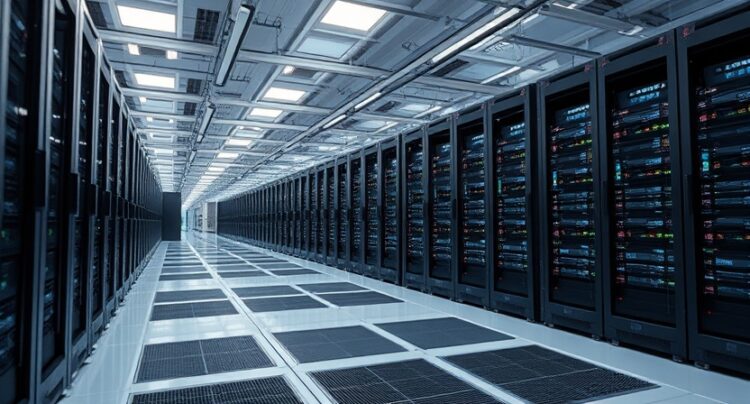
When you send a message on WhatsApp, the data does not travel directly from your phone to another person's device. Instead, it passes through telecommunications networks, internet exchange points, fibre-optic cables, and massive data centres packed with thousands of servers.

These facilities process, store and transmit information every second of the day, the same applies when you upload photos to the cloud, stream a movie on Netflix, scroll through social media feeds or ask an AI chatbot a question.
Data centres are among the fastest-growing consumers of power globally. These facilities not only require electricity to run servers but also need substantial cooling systems to prevent equipment from overheating. Some of the world's largest technology companies operate data centres that consume as much electricity as small cities.
Video streaming is particularly energy-intensive because of the massive volumes of data involved. Watching a high-definition video for an hour requires data to be continuously transmitted from servers, through telecom networks, and onto a user's device. As internet speeds improve and consumers increasingly watch content in higher resolutions such as 4K, energy demand rises further.
The rapid growth of artificial intelligence is adding another layer to the challenge. AI systems require powerful computing infrastructure to process requests, train models and generate responses. A simple AI query may seem harmless, but when multiplied across hundreds of millions of users globally, the energy demand becomes substantial.
Industry experts estimate that AI-driven data centres could become one of the largest sources of growth in electricity demand over the next decade. This is already prompting major technology firms to invest in renewable energy projects, battery storage and even nuclear power partnerships to secure reliable electricity supplies.
Telecommunications networks also contribute significantly to digital energy consumption. Mobile towers, switching centres and internet infrastructure operate continuously to keep users connected. As 5G networks expand and data traffic grows, operators are investing heavily in energy-efficient technologies to manage rising power requirements.

None of this means consumers should stop using digital services. In fact, digital technologies often help reduce emissions in other sectors by enabling remote work, online education, digital payments and smart energy management. A video conference, for example, can eliminate the need for a long-distance business trip, potentially saving far more energy than it consumes.
The challenge lies in balancing the benefits of digitalisation with the growing energy demands of the digital economy.
Consumers can also play a role. Simple actions such as reducing unnecessary video streaming, deleting unused cloud files, enabling power-saving settings and extending the lifespan of devices can collectively reduce energy consumption. While the impact of one individual may be small, billions of users making similar choices can create meaningful change.
As the world becomes increasingly connected, electricity is becoming the invisible fuel of everyday digital life. The next time you send a voice note, stream a video or ask an AI assistant a question, remember that the action is powered by far more than the battery in your hand.
Behind every tap on a smartphone lies a global network of servers, cables, towers and data centres working tirelessly—and consuming energy—to keep the digital world running.

The bottom line is that your phone's charger may use little electricity, but the digital ecosystem that supports every online activity consumes vast amounts of power. In the age of AI, cloud computing and video streaming, understanding the hidden energy cost of our digital habits has never been more important.