By Oke Peter
Nigeria's oil production performance, fresh government interventions in the electricity sector, renewed investment commitments and growing pressure for a realistic global energy transition dominated developments across the energy industry during the week. From the 44th Annual International Conference of the Nigerian Association of Petroleum Explorationists (NAPE) to the Power Correspondents Association of Nigeria (PCAN) conference and Lagos Energy Summit, discussions centred on investment, infrastructure, energy security and the need to translate policy commitments into measurable results.
Across Africa and the wider world, the ongoing COP31 climate negotiations, changing crude oil market dynamics and the growing demand for cleaner energy continued to shape the industry's direction.
Nigeria: Oil production milestone, power-sector intervention and investment drive
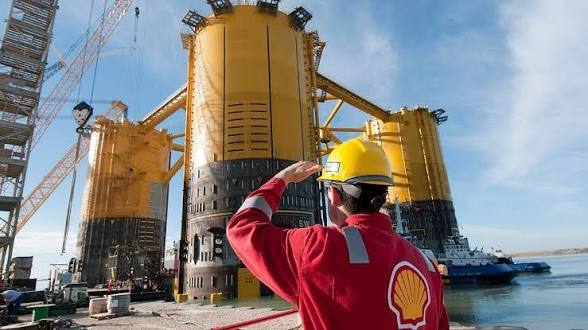
Nigeria recorded an important upstream milestone during the week, sustaining compliance with its Organisation of the Petroleum Exporting Countries (OPEC) crude oil production quota for the sixth consecutive month.

Data released by the Nigerian Upstream Petroleum Regulatory Commission (NUPRC) showed that the country produced an average of 1.51 million barrels per day (mbpd) of crude oil, excluding condensates, in October, representing 101 per cent of its 1.5mbpd OPEC quota. Combined crude oil and condensate production averaged approximately 1.688mbpd.
The achievement, however, came with a slight production setback. October's crude output declined by 1.7 per cent from September's 1.53mbpd, underscoring the need to sustain production gains through improved asset integrity, operational efficiency, investment and effective evacuation infrastructure.
The figures also reinforced the importance of Nigeria's upstream value chain, particularly exploration, field development, indigenous participation, pipeline security and export infrastructure.
At the 44th NAPE Annual International Conference and Exhibition, held from November 8 to 12 in Lagos, industry stakeholders examined strategies for expanding petroleum reserves through exploration, local capabilities and adaptive technology. The discussions were particularly significant as Nigeria seeks to attract fresh capital into its upstream industry while maintaining production from existing assets.
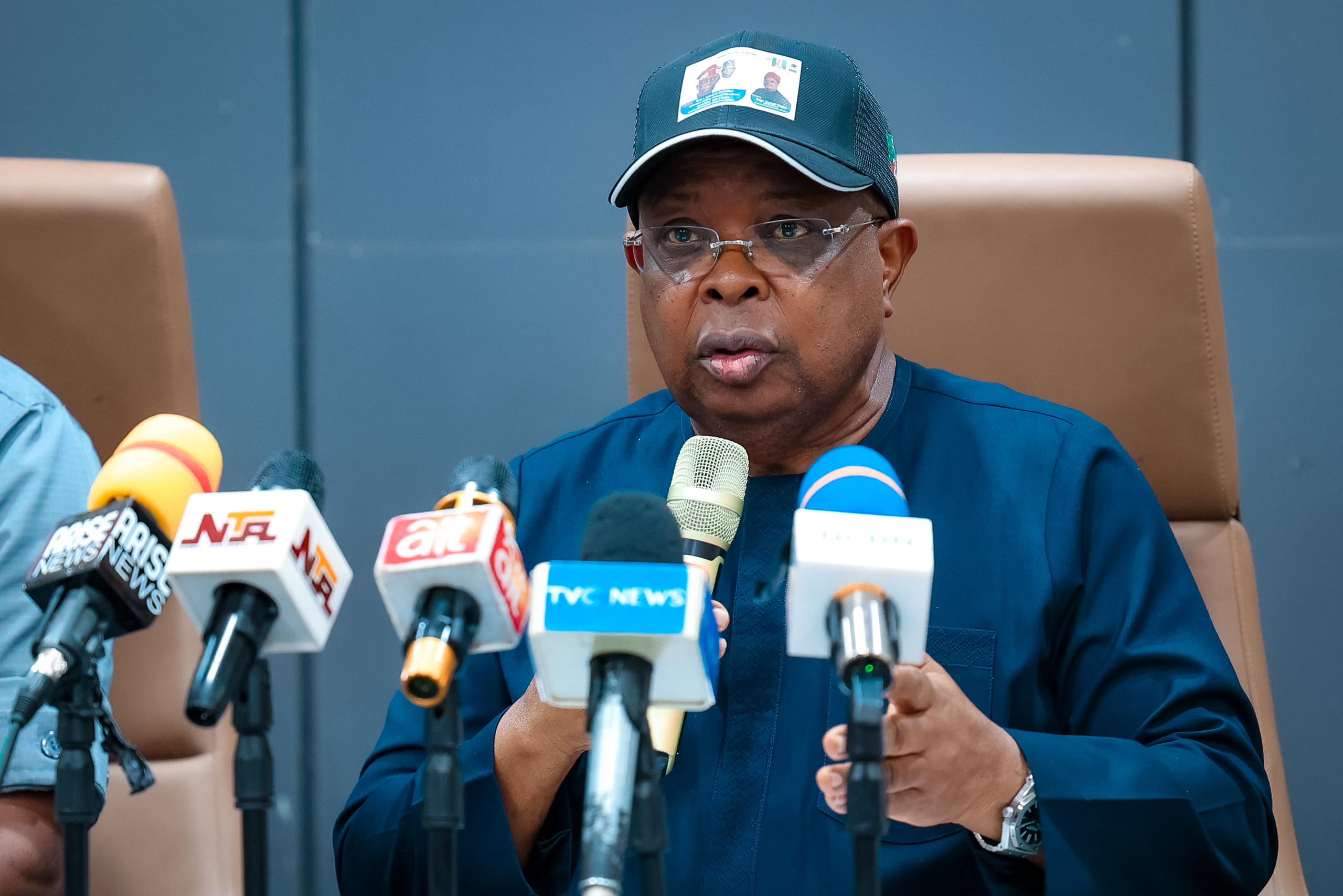
Meanwhile, the Federal Government's electricity market reforms received renewed attention at the sixth annual PCAN conference in Abuja. Minister of Power Joseph Tegbe disclosed that President Bola Tinubu had approved an additional ₦3.3 trillion to settle verified legacy debts owed to electricity generation companies (GenCos), with ₦1.23 trillion already raised under the intervention.

The debt settlement is expected to ease financial pressure on generation companies, improve their ability to pay gas suppliers and support maintenance of generating facilities. However, the success of the intervention will ultimately depend on transparent disbursement, improved market liquidity and stronger payment discipline across the electricity value chain.
The minister also highlighted progress in the sector, including the installation of more than 2.8 million electricity meters and the addition of over 15,000MVA of transmission capacity since 2023.
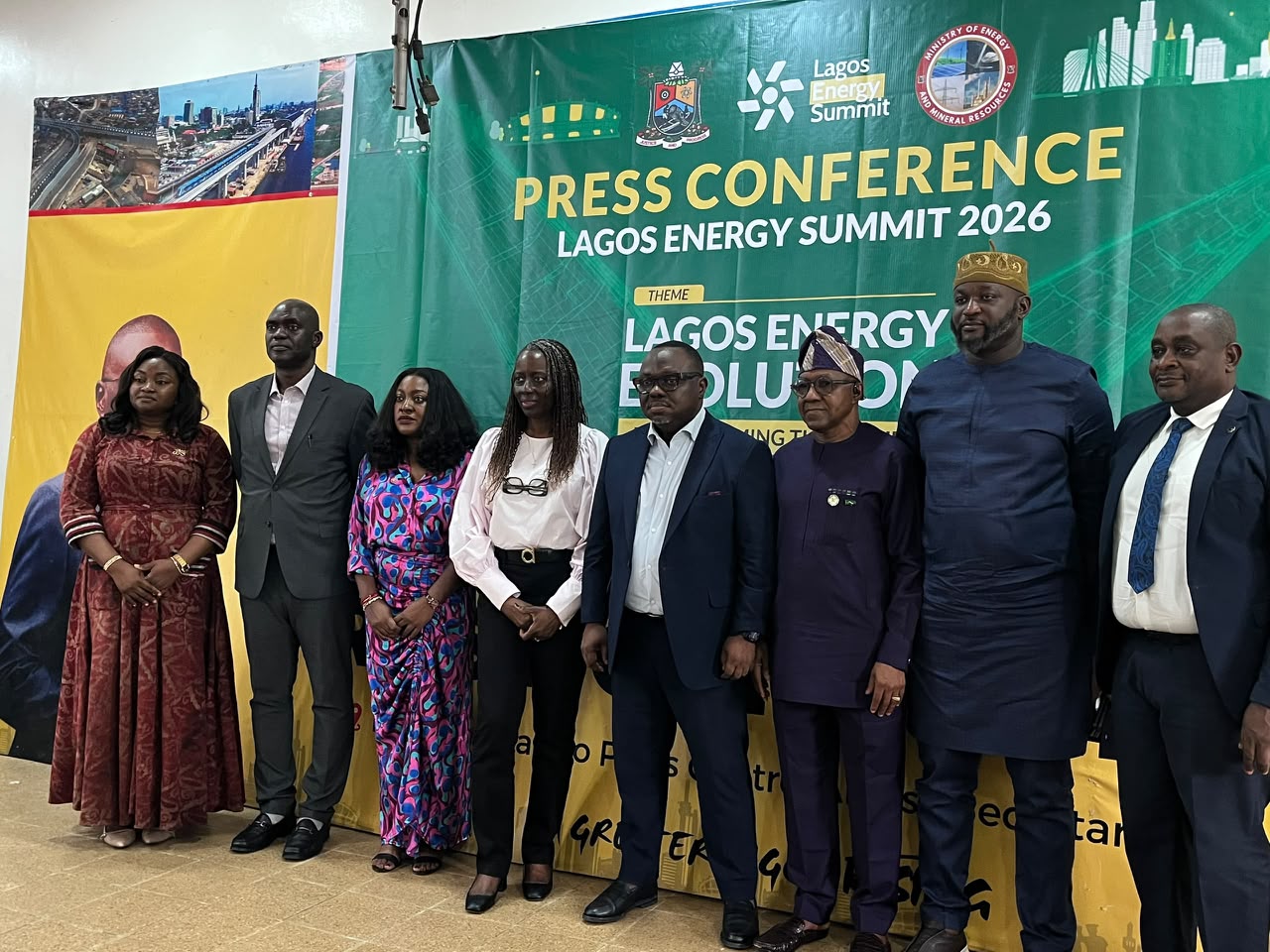
In Lagos, the 2026 Lagos Energy Summit, held from November 10 to 12, provided another platform for discussions on electricity market reforms and private-sector investment following the enactment of the Lagos State Electricity Law 2024.
Governor Babajide Sanwo-Olu announced plans to work with 22 private investors to deliver an additional 2,000MW of electricity by March 2027. The initiative is aimed at reducing the state's dependence on the national grid through independent generation and other energy solutions.

The summit also highlighted opportunities in grid-scale renewable energy, mini-grids and solar home systems, reflecting Lagos State's ambition to develop a more diversified electricity market.
In another development, Ondo State intensified efforts to attract investment into its oil and gas resources, with Governor Lucky Aiyedatiwa assuring prospective investors of an enabling environment for exploration and production.
The Federal Government's broader ambition to strengthen industrial power supply also received attention following Dangote Group's announcement of plans for a 10,000MW electricity generation intervention as part of its expanded investment programme in Africa. If translated into projects, the proposal could become a significant addition to the continent's industrial energy infrastructure.
Africa: Gas, renewables and infrastructure financing
Across Africa, the energy investment conversation continued to reflect the continent's dual priorities of expanding electricity access and developing its indigenous hydrocarbon resources.
Industry analysis during the week pointed to growing interest in natural gas infrastructure, particularly midstream and downstream facilities, as African countries seek reliable generation to complement intermittent renewable energy sources.
Developments included financing progress for a wind independent power project in Morocco, valued at more than $130 million, while Egypt advanced debt financing exceeding $200 million for a solar-plus-storage independent power project.

Mauritania also featured in discussions over potential World Bank financing for a renewable energy project, while developments in the Democratic Republic of Congo highlighted growing interest in additional commercial and industrial renewable energy capacity.
However, South Africa's gas-to-power procurement programme faced a setback, demonstrating the difficulties of securing commercially viable gas supplies and translating generation ambitions into bankable projects.
These developments underline the importance of regional cooperation, infrastructure financing and policy stability in unlocking Africa's energy potential.
Global: COP31 puts energy transition and climate finance in focus
The 31st United Nations Climate Change Conference (COP31), taking place in Antalya, Türkiye, from November 9 to 20, emerged as one of the week's major international energy events.
Discussions among world leaders and climate negotiators exposed continuing differences over how quickly countries should move away from fossil fuels while meeting their energy security and economic development needs.
United Nations Secretary-General António Guterres renewed calls for countries to move beyond climate commitments and accelerate the financing and implementation of a just energy transition.

African leaders, including representatives from Côte d'Ivoire, Seychelles, Gabon, Zimbabwe, Guinea-Bissau, Rwanda and Mali, used the platform to demand greater climate financing from developed economies. Their position reflected Africa's continuing concern that countries contributing relatively little to global emissions are among those most vulnerable to climate change.
The debate remains particularly important for African oil and gas producers, which are seeking to develop their natural resources while expanding renewable energy capacity and improving electricity access.
Crude oil market: Supply concerns weigh on prices
International crude oil prices experienced downward pressure during the week as concerns over growing global supply outweighed some geopolitical risks.
Brent crude settled at $95.84 per barrel on Friday, November 13, while United States West Texas Intermediate (WTI) closed at $88.56 per barrel. Both benchmarks lost approximately 2.5 per cent over the week.
The International Energy Agency's assessment that global oil supply had returned to surplus for the first time since the beginning of the Iran war contributed to the market's bearish sentiment. Supply exceeded demand by almost two million barrels per day in October, raising concerns about potential oversupply.
Nevertheless, geopolitical tensions in the Middle East, including reported incidents involving oil tankers and concerns surrounding the Strait of Hormuz, continued to provide uncertainty for the market.

For Nigeria, fluctuations in international oil prices remain significant because of their implications for government revenue, foreign exchange earnings, petroleum investment and the domestic economy. Sustained production growth and efficient management of oil revenues will therefore remain critical, particularly if prices weaken further.
The road ahead
The week's developments presented a common message across the global energy industry: energy security, affordability, investment and sustainability must advance together.
Nigeria's sixth consecutive month of OPEC quota compliance is encouraging, but the country must sustain production, attract exploration capital and strengthen its gas and crude evacuation infrastructure. Similarly, the ₦3.3 trillion GenCo debt intervention represents an important opportunity to improve electricity generation, but Nigerians will ultimately judge the reforms by the quality and reliability of power supply.
From Lagos to Antalya, and across Africa's emerging energy markets, the challenge remains converting ambitious announcements, policy frameworks and investment promises into projects that deliver tangible economic and social benefits.
As COP31 negotiations continue, the balance between fossil fuel development and the clean energy transition will remain a defining issue for governments, investors and industry operators worldwide.